

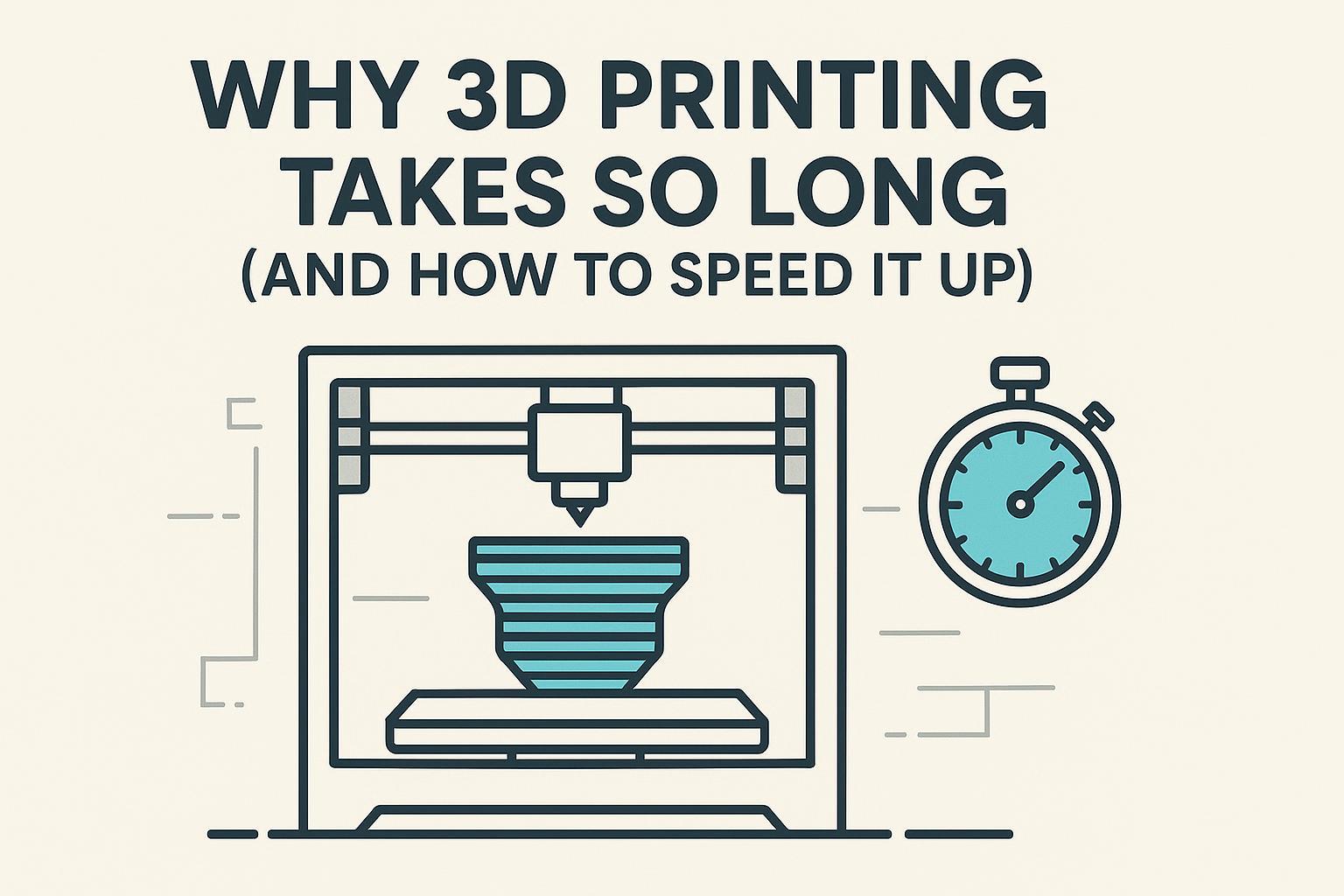
Why 3D Printing Takes So Long (and How to Speed It Up)
Learn what really drives FDM print time and the safest slicer tweaks to cut hours off your next print without ruining quality.
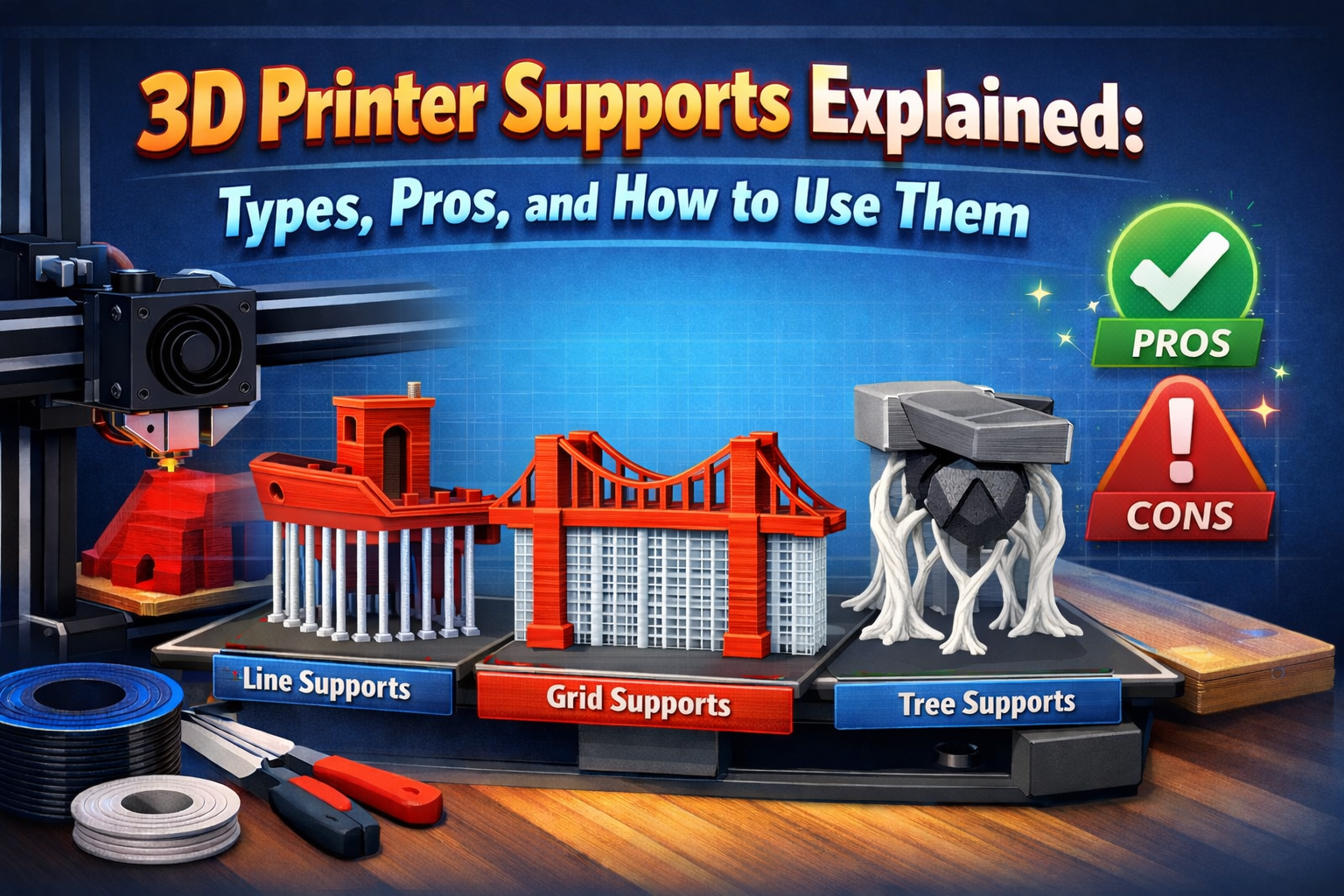
3D-Druck Support: Arten, Einstellungen und sauberes Entfernen
3D-Druck-Support richtig einstellen: Tree, Grid und Linien vergleichen, Z-Abstand wählen, Stützen sauber entfernen und typische Fehler lösen.
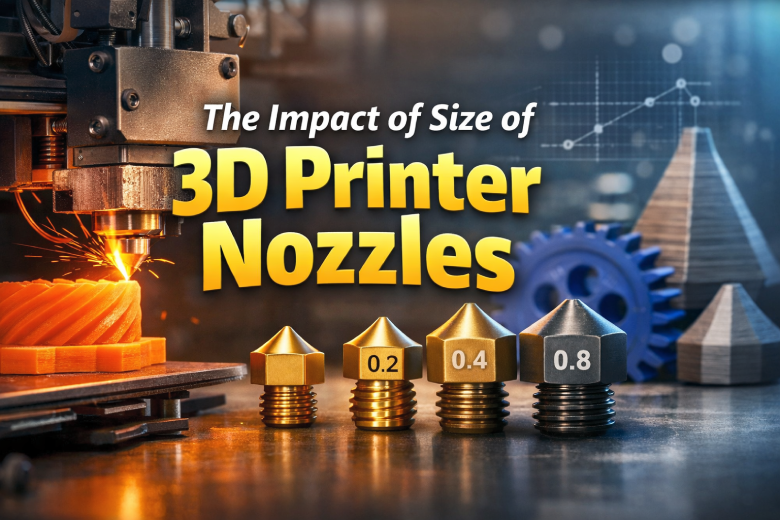
3D-Drucker-Düsengröße: 0,2 vs. 0,4 vs. 0,6 vs. 0,8 mm
Welche 3D-Drucker-Düse passt? Vergleiche 0,2, 0,4, 0,6 und 0,8 mm nach Detail, Tempo, Festigkeit, Filament und Volumenstrom.

PVA Support Material vs Regular Supports: What to Use
Learn when PVA supports are worth it, when breakaway supports are enough, and how to get cleaner prints with fewer headaches.
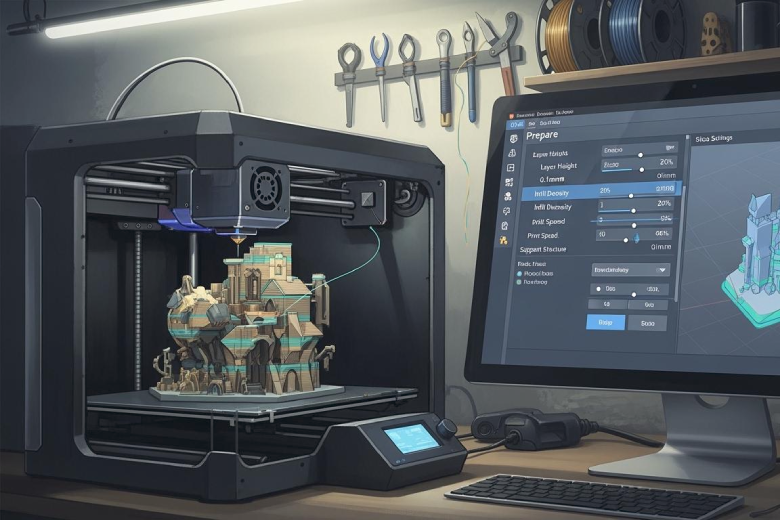
Best slicing parameters for Cura
Best slicing parameters for Cura include 0.2 mm layer height, 15-25% infill, and 50-70 mm/s print speed for reliable, high-quality 3D prints.
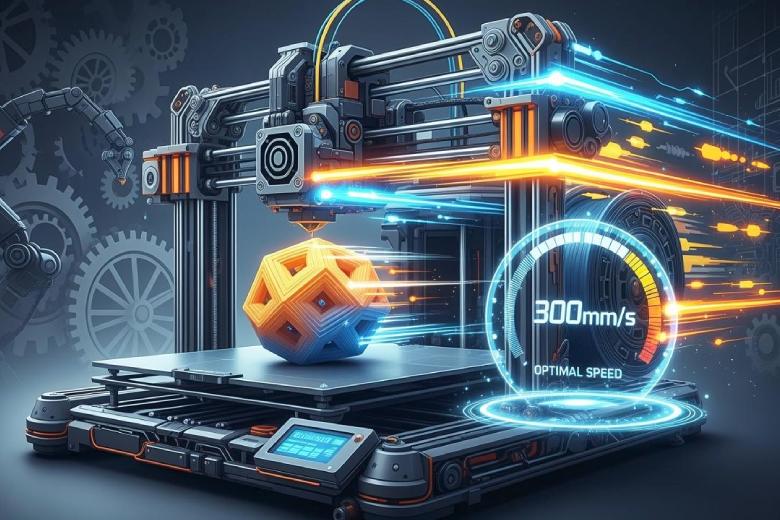
The best speed for 3D printing
The best speed for 3D printing is typically 40-60 mm/s, but the optimal speed depends on your printer, material, and desired print quality.
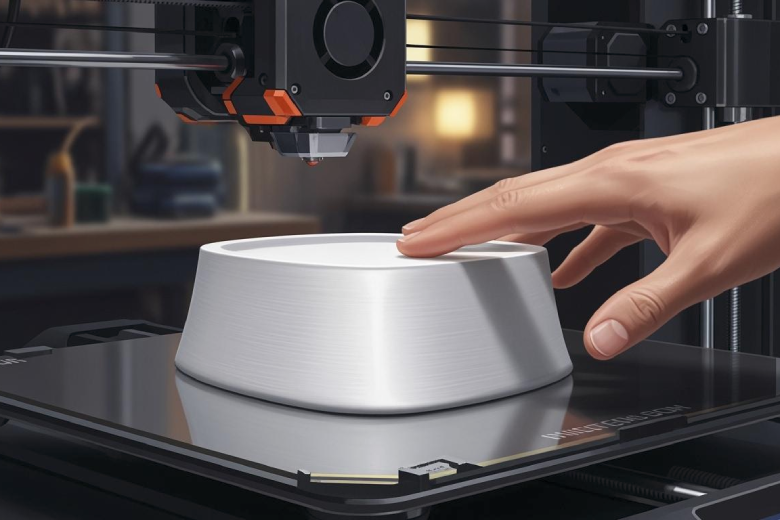
How to Achieve a Flawless Top Layer on Your 3D Prints
Achieve a flawless top layer on your 3D printer by tuning layer height, infill, and cooling settings for smooth, professional-quality prints every time.
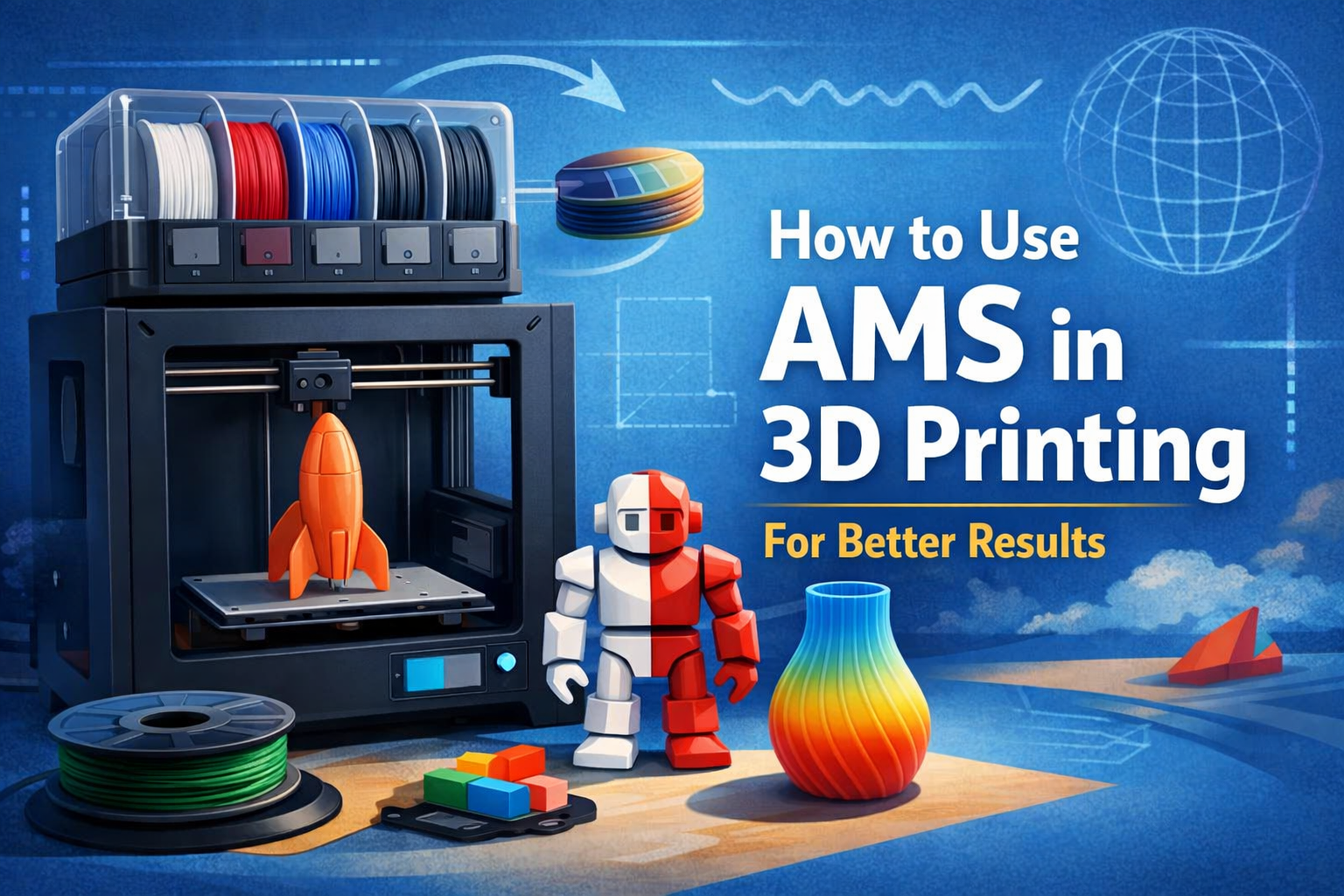
How to Use AMS in 3D Printing for Better Results
AMS in 3D printing automates filament changes, supports multi-material prints, and boosts efficiency for better, more reliable 3D printing results.
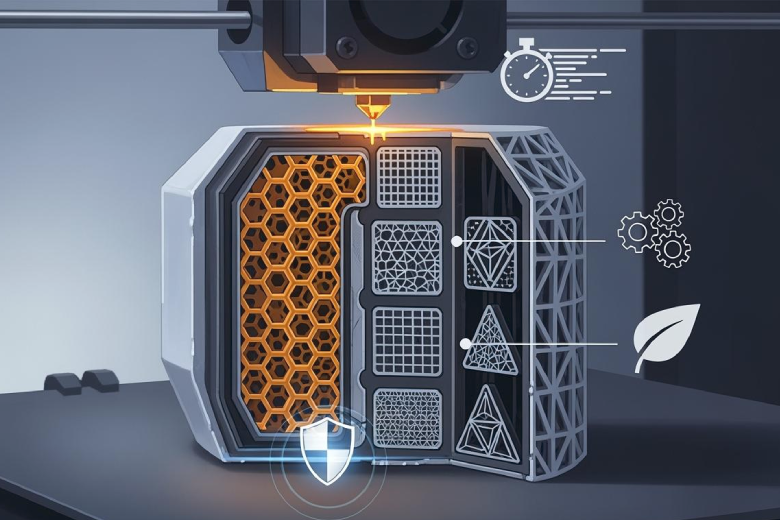
3D Printing Infill Patterns: Strength, Speed, and Efficiency
3D Printing Infill Patterns affect strength, speed, and efficiency. Compare gyroid, grid, and lightning infills to choose the best for your 3D print needs.