


When buying a 3D printer, most users compare build volume, maximum speed, nozzle temperature, and automatic leveling features. These specifications are easy to see and easy to compare.
However, experienced users understand something deeper. Specifications may influence purchasing decisions, but core technology determines real performance.
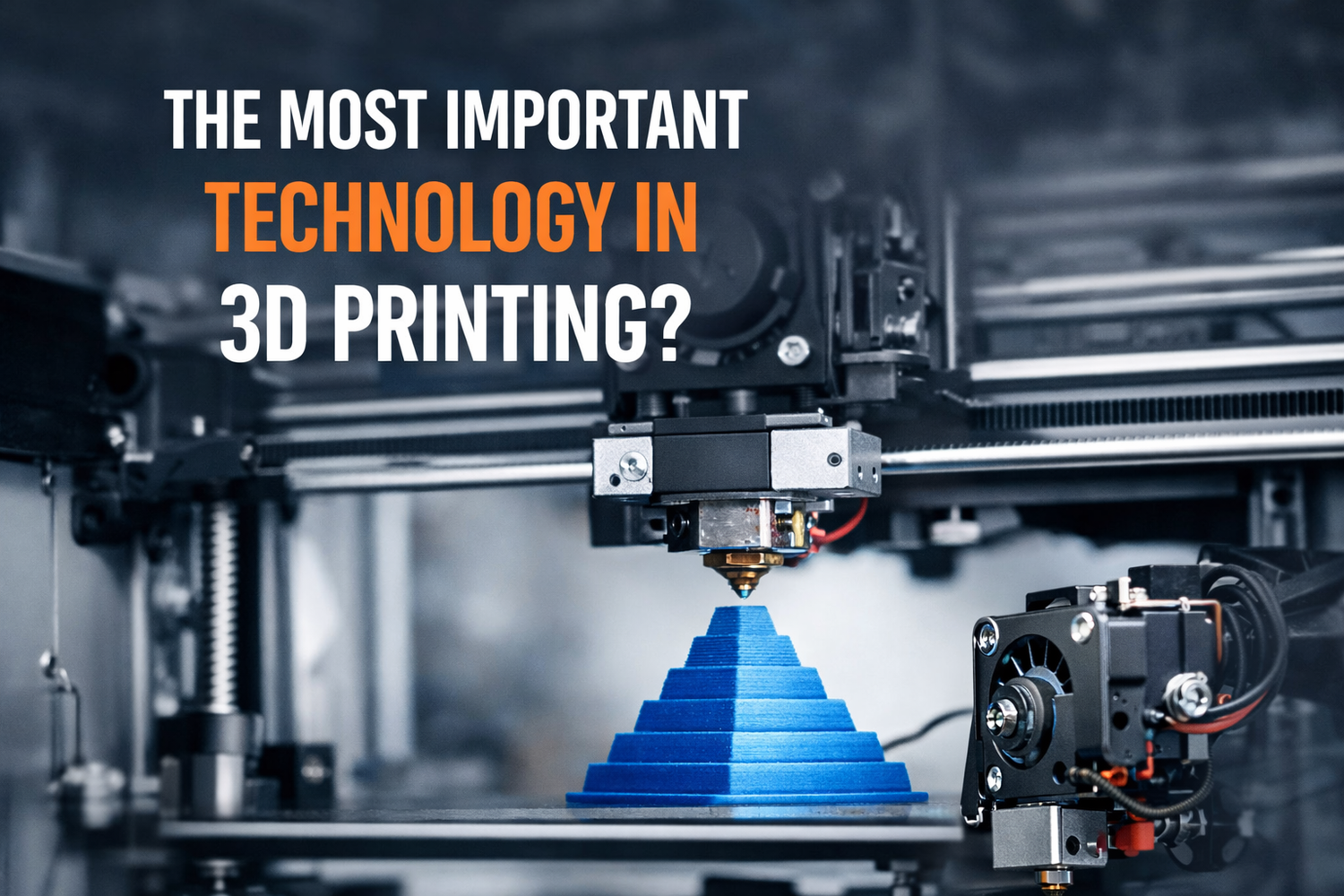
So what is the most important technology in a 3D printer
If one factor must be identified, it is the motion control system.
The motion control system directly determines dimensional accuracy, surface quality, speed stability, layer consistency, and overall printing reliability. It influences almost every visible result of a finished print.
Mechanical Structure The Foundation of Precision

Before firmware and algorithms can improve performance, mechanical stability must exist.
The structural design defines how the printer moves and how much vibration it produces during acceleration and direction changes.
CoreXY and Cartesian designs represent two common motion architectures. Cartesian systems often move the print bed along the Y axis, which increases moving mass. CoreXY systems move only the lightweight print head in the X and Y directions, reducing inertia and enabling higher acceleration with greater stability. This is one reason why many modern high speed printers adopt CoreXY structures.
Motion components also matter. Linear rails provide higher rigidity and smoother movement compared to V slot wheel systems. While wheel systems are cost effective, they wear over time and may introduce slight instability during long term use. For sustained high speed printing, rigid guidance systems become increasingly important.
Frame rigidity and dual Z axis synchronization further improve consistency. A stable frame reduces vibration artifacts. Dual Z screws help prevent gantry tilt and layer misalignment, especially on taller prints.
Mechanical strength forms the physical foundation of printing precision. Software can compensate for vibration, but it cannot fully correct structural weakness.
Firmware and Motion Algorithms The Real Brain
Hardware defines the limits of motion. Firmware determines how intelligently that motion is controlled.
Modern 3D printers increasingly rely on advanced control algorithms to achieve both speed and quality.
Important technologies include 32 bit control boards, silent stepper drivers, Klipper firmware, input shaping, and pressure advance.
Input shaping is a vibration compensation method. Instead of reducing speed to prevent ringing, the firmware analyzes resonance frequencies and adjusts acceleration patterns accordingly. This allows higher speeds while maintaining clean surfaces and sharp details.
Pressure advance focuses on extrusion behavior during acceleration and deceleration. When a print head changes speed, internal filament pressure fluctuates. Pressure advance anticipates these changes and adjusts extrusion timing. The result is improved corner sharpness and reduced over extrusion artifacts.
In modern printers, firmware optimization often represents the largest performance difference between entry level and advanced systems.
Extrusion System The Reliability Core
Even with excellent motion control, unstable extrusion will compromise print quality.
The extrusion system determines whether filament is delivered consistently and melted evenly.
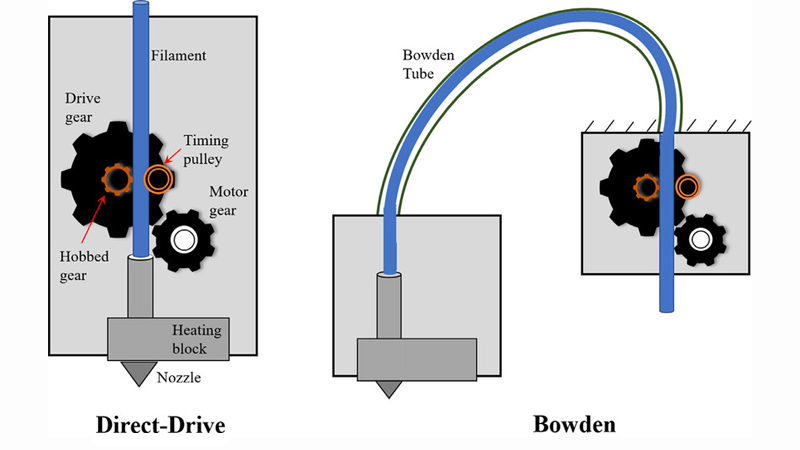
Direct drive systems mount the extruder motor close to the hotend, improving control and responsiveness. This configuration performs especially well with flexible materials and rapid speed changes. Bowden systems reduce moving mass but may introduce slight delays in extrusion response.
Dual gear extruders improve filament grip and feeding consistency. They reduce slipping and increase reliability during long prints.
An all metal hotend provides stable melting performance and supports higher temperature materials. Consistent thermal control improves layer bonding and reduces clogging risk.
Extrusion stability directly influences print success rate. Even minor inconsistencies can lead to visible surface defects or complete print failure.
The Real Answer System Integration
There is no single component that guarantees superior performance. The most important technology in a 3D printer is not an isolated feature, but the integration of motion control, firmware intelligence, and extrusion stability.
When mechanical structure, algorithms, and extrusion systems work together in balance, the result is high speed printing with consistent accuracy and low failure rates.
When these systems are poorly integrated, problems appear quickly. Ringing, layer shifts, clogging, inconsistent surfaces, and failed prints are often symptoms of imbalance between structure and control.
What Buyers Should Prioritize
Beginners benefit most from reliable extrusion and stable factory calibration. Ease of use and consistency are more valuable than extreme speed.
High speed enthusiasts should prioritize advanced motion systems, vibration compensation support, and well optimized firmware.
Professional users and print farms should focus on long term stability, maintenance simplicity, and consistent performance across extended production cycles.
Final Conclusion
The most important technology in a 3D printer is its motion control system, but only when supported by a stable mechanical structure and a consistent extrusion system.
Modern 3D printing performance is no longer defined by isolated specifications. It is defined by engineering integration.
A high quality printer is one where mechanics, electronics, and firmware operate as a unified system to deliver predictable, repeatable results.
