

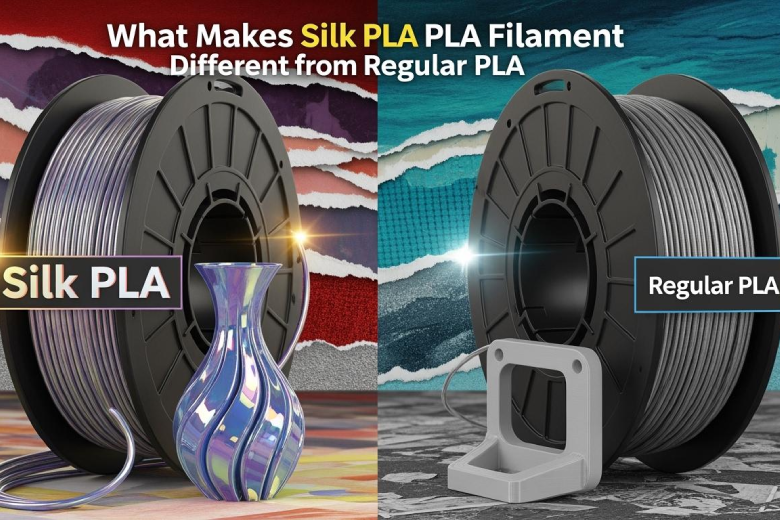
Silk PLA filaments create prints with a glossy, smooth surface, while regular PLA produces a matte finish. Both types belong to the PLA family, but each offers unique properties that suit different projects. Makers often choose silk PLA filaments for eye-catching models and display pieces. Regular PLA works well for everyday prints that need strength and reliability.
Key Takeaways
- Silk PLA filaments create glossy, eye-catching prints, making them ideal for decorative projects.
- Regular PLA filaments offer strength and reliability, perfect for functional parts and prototypes.
- Silk PLA requires higher print temperatures and slower speeds for the best results, while regular PLA is easier to print.
- Choose Silk PLA for projects where appearance matters most; select regular PLA for parts that need to withstand stress.
What Are Silk PLA Filaments and Regular PLA?
Silk PLA Filament Overview
Silk pla filaments stand out in the world of 3D printing because of their unique appearance and composition. Manufacturers design silk pla to deliver a glossy, reflective finish that looks like real silk fabric. This effect comes from special additives and elastomers mixed into the filament. These additives not only create a shiny surface but also make silk pla more flexible and stretchy than regular PLA.
- Silk pla filaments contain elastomers that boost glossiness and flexibility.
- The surface of silk pla prints feels smooth and looks reflective.
- Silk pla does not need extra finishing steps like sanding or polishing.
- The filament comes in a wide range of vibrant colors, making it ideal for decorative projects.
Silk pla filaments undergo a special extrusion process. This process aligns the polymer chains, which gives the prints a soft luster. Many makers choose silk pla for models, vases, and display pieces where visual appeal matters most. The improved layer adhesion of silk pla also helps create seamless prints with fewer visible lines.
Tip: Silk pla filaments work best for projects that need a beautiful, eye-catching finish rather than high mechanical strength.
PLA Filament Overview
Regular PLA filament is one of the most popular materials in 3D printing. It is made from renewable resources like corn starch or sugarcane. PLA offers a matte finish, which gives prints a more understated look compared to silk pla.
|
Property |
Silk PLA |
Regular PLA |
|---|---|---|
|
Layer Adhesion |
Improved layer adhesion |
Standard layer adhesion |
|
Color Variety |
Wide range of vibrant colors |
Limited color options |
|
Surface Finish |
Smooth, reflective finish |
Matte finish |
Regular PLA is known for its ease of use and reliability. It works well for functional parts, prototypes, and everyday objects. While silk pla filaments focus on aesthetics, regular PLA provides strength and durability. Makers often select regular PLA when they need prints that can handle stress or require precise details.
Silk pla filaments and regular PLA both belong to the PLA family, but their properties and best uses differ. Understanding these differences helps makers choose the right filament for each project.
Silk PLA vs. Regular PLA: Key Differences
Appearance and Finish
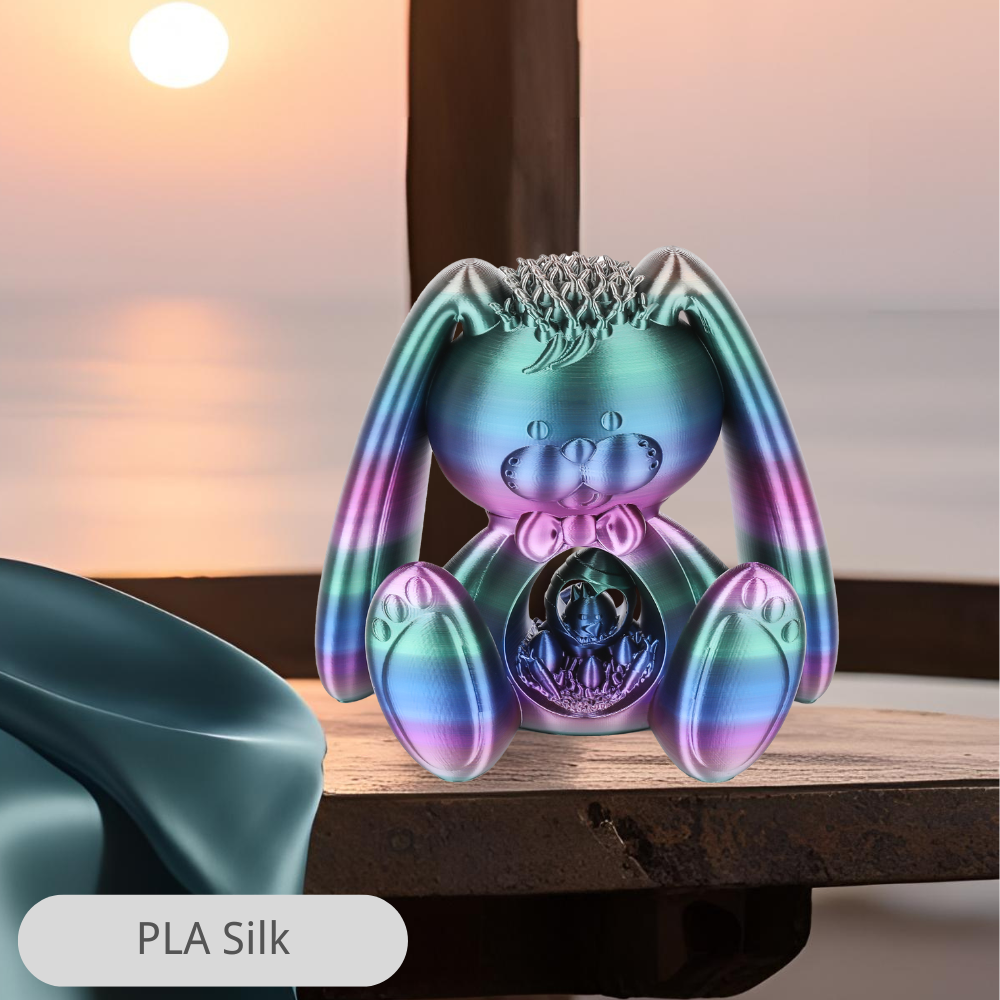
Silk pla filament stands out because of its glossy finish. This unique shine comes from special additives that manufacturers blend into the material. The surface of silk pla prints looks smooth and reflective, almost like real silk fabric. Many artists and designers choose silk pla filament for projects that need a glossy finish, such as vases, figurines, and jewelry. The glossy finish makes every detail pop and gives models a professional look.
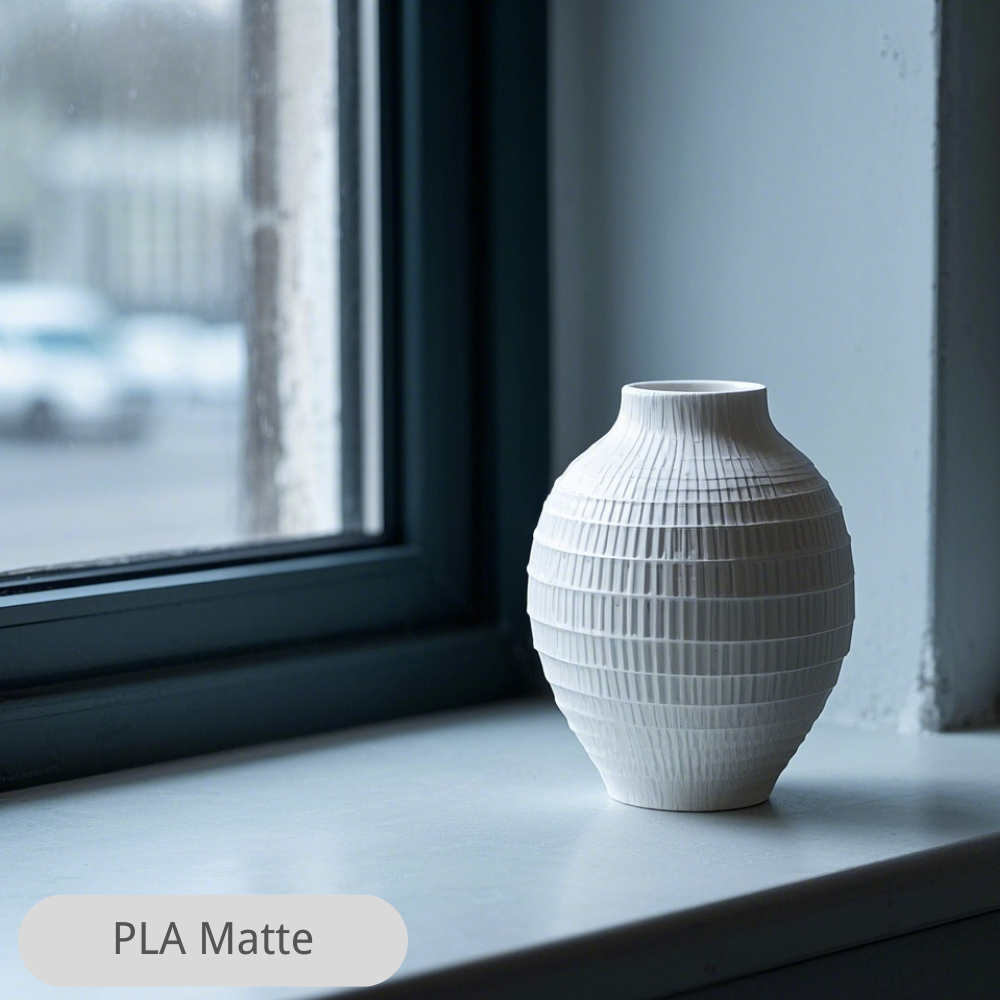
Regular pla has a matte finish. This means the surface does not reflect light as much. Prints made from regular pla filament look more understated and simple. Some makers prefer this look for functional parts or prototypes. The matte finish hides small imperfections and gives a clean appearance.
|
Filament Type |
Surface Finish |
Visual Appeal |
|---|---|---|
|
Silk PLA |
Glossy, reflective |
Eye-catching, vibrant |
|
Regular PLA |
Matte, non-reflective |
Subtle, clean |
Printing Properties
Silk pla filament and regular pla filament have different printing characteristics. Silk pla needs higher print temperatures and sometimes a heated bed. The recommended print temperature for silk pla filament ranges from 215°C to 230°C, while regular pla filament works best between 205°C and 215°C. Silk pla filament also benefits from a heated bed set between 60°C and 70°C. Regular pla filament often prints well without a heated bed.
|
Filament Type |
Recommended Print Temperature (°C) |
Recommended Bed Temperature (°C) |
|---|---|---|
|
Silk PLA |
215-230 |
60-70 |
|
Regular PLA |
205-215 |
N/A |
Print speed affects the final result. Both silk pla filament and regular pla filament work well at speeds between 40 and 60 mm/s. However, silk pla filament often requires slower speeds for the best glossy finish. The unique composition of silk pla filament makes it more sensitive to speed changes. High-speed silk pla filament variants can handle faster printing, but most users slow down to get the smoothest surface.
- Silk pla filament needs higher temperatures and slower speeds for the best results.
- Regular pla filament is easier to print and less sensitive to speed changes.
- Silk pla filament has a glossy finish because of its special additives.
Tip: Beginners may find regular pla filament easier to use because it has more forgiving printing characteristics.
Strength and Flexibility
Silk pla filament offers more flexibility than regular pla filament. The elastomers in silk pla filament make it slightly stretchy. This flexibility helps prevent cracks in thin or decorative prints. However, silk pla filament is not as strong as regular pla filament. It can break more easily under stress.
Regular pla filament provides better strength and durability. Makers use regular pla filament for functional parts that need to handle force or pressure. The matte finish does not affect the strength, so regular pla filament remains the top choice for mechanical or structural prints.
- Silk pla filament: More flexible, less strong, best for decorative items.
- Regular pla filament: Stronger, less flexible, best for functional parts.
Callout: Choose silk pla filament for projects where appearance matters most. Select regular pla filament for parts that need to last or support weight.
Cost and Value
Silk pla filament usually costs more than regular pla filament. The average price per kilogram for silk pla filament ranges from $20 to $35. Regular pla filament costs between $15 and $20 per kilogram. The higher price of silk pla filament comes from the complex manufacturing process and the special additives that create the glossy finish.
|
Filament Type |
Average Price per Kilogram |
|---|---|
|
Silk PLA |
$20 - $35 |
|
Regular PLA |
$15 - $20 |
Many users believe silk pla filament offers good value for money. The glossy finish and vibrant colors make it perfect for high-end projects. The extra cost pays off when the final print needs to look impressive. Regular pla filament gives reliable results at a lower price, making it a good choice for everyday printing.
- Silk pla filament: Higher cost, higher value for decorative prints.
- Regular pla filament: Lower cost, best value for functional or test prints.
Best Use Cases
Silk pla filament works best for projects that need a glossy finish and visual appeal. Artists use silk pla filament for sculptures, jewelry, and home decor. Teachers choose silk pla filament for educational models that need to grab attention. Cosplayers pick silk pla filament for props that must look realistic and shiny.
Regular pla filament is the top choice for functional parts and prototypes. Engineers use regular pla filament for testing designs. Hobbyists print tools, brackets, and replacement parts with regular pla filament. The matte finish and strength make regular pla filament suitable for many applications.
|
Filament Type |
Characteristics |
Best Use Cases |
|---|---|---|
|
Silk PLA |
Glossy, smooth, slightly translucent, flexible |
Decorative items, art, home decor, cosplay props |
|
Regular PLA |
Matte, strong, easy to print |
Functional parts, prototypes, general-purpose printing |
- Silk pla filament: Art, design, home decor, cosplay, and any project needing a glossy finish.
- Regular pla filament: Prototypes, mechanical parts, and everyday objects.
Tip: Makers should match the filament to the project’s needs. Silk pla filament shines in decorative roles, while regular pla filament excels in practical applications.
Pros and Cons of Silk PLA Filament and PLA Filament
Silk PLA Pros and Cons
Silk pla stands out in the world of 3D printing for its unique appearance and user-friendly features. Many makers choose silk pla filament when they want a shiny, smooth finish that looks like real silk or polished metal. This type of pla filament works well for decorative items, cosplay props, and artistic projects where looks matter most.
Pros of Silk PLA:
- Produces a glossy, reflective surface straight from the printer.
- Achieves a polished look without extra post-processing.
- Maintains the easy-to-use qualities of standard pla filament, such as low warping.
- Does not require special equipment or complex settings.
- Ideal for projects where appearance is the top priority.
Tip: Silk pla filament creates eye-catching models that stand out in any display.
Cons of Silk PLA: Silk pla filament can be more challenging for beginners. It often shows more stringing and may have poor bed adhesion compared to regular pla. The additives in silk pla can sometimes cause clogging, and some brands may need a more advanced extruder setup. These factors can increase the overall cost and make the printing process less reliable for some users.
|
Pros |
Cons |
|---|---|
|
Glossy, smooth finish |
More stringing and poor bed adhesion |
|
Easy to print, no special equipment |
Possible clogging due to additives |
|
Low warping, user-friendly |
May require advanced extruder setup |
|
No post-processing needed |
Higher cost than regular pla filament |
PLA Filament Pros and Cons
Regular pla filament remains a favorite for many 3D printing projects. It offers a balance of strength, reliability, and ease of use. Makers often select regular pla when they need parts that must fit together well or handle some stress.
Pros of PLA Filament:
- Provides stiffness and strength for mechanical applications.
- Offers excellent dimensional accuracy for precise prints.
- Prints at low temperatures and resists warping.
- Beginner-friendly and does not need special equipment.
- Delivers reliable results for a wide range of uses.
Note: Regular pla filament is a solid choice for functional parts and prototypes.
Cons of PLA Filament: Regular pla filament has some limits. It softens at temperatures above 60–65 °C, so it does not work well in hot environments. The material can be brittle and may snap under pressure, which makes it less suitable for flexible or impact-resistant parts. Regular pla also absorbs moisture from the air, which can affect print quality over time.
|
Pros |
Cons |
|---|---|
|
Strong and stiff |
Low heat resistance |
|
Reliable and easy to use |
Brittle, can snap under pressure |
|
Accurate prints, low warping |
Absorbs moisture, quality may degrade |
Both silk pla and regular pla filament offer unique benefits and drawbacks. Makers should consider their project needs, desired finish, and experience level when choosing between these two popular types of pla filament.
Choosing Between Silk PLA and PLA Filament
Project Needs and Selection Tips
Selecting the right pla filament depends on the project’s goals and the desired finish. Silk pla stands out for its glossy, reflective surface, making it the top choice for projects where appearance matters most. Artists and designers often use silk pla to create models, vases, and display pieces that need to catch the eye. The smooth finish comes from strong interlayer adhesion, which gives silk pla a delicate and polished look.
When strength and versatility are more important, pla filament with a matte or semi-gloss finish works better. Regular pla offers good mechanical strength and prints easily, making it suitable for functional parts and prototypes. The table below compares key factors to help users decide:
|
Factor |
Silk PLA |
Regular PLA |
|---|---|---|
|
Finish |
Glossy, reflective finish |
Matte or semi-gloss finish |
|
Printing Ease |
Requires slightly higher temps |
Easy to print |
|
Applications |
Better for aesthetic projects |
More versatile for functional parts |
- Silk pla provides a smoother and more delicate surface finish.
- Silk pla is ideal for projects where aesthetics are a priority.
- Pla filament offers good mechanical strength but does not achieve the same surface quality as silk pla.
Tip: For decorative models or gifts, silk pla delivers a stunning look. For parts that need to fit together or handle stress, choose pla filament with a matte finish.
Limitations and Considerations
Silk pla has some important limitations. It does not match the strength of other pla filament types, so it is less suitable for functional parts that require durability. Silk pla also has a low glass transition temperature, which means it can soften or deform in warm environments. The higher cost of silk pla may affect project budgets, especially for large prints.
Printing with silk pla can be more challenging. It needs higher temperatures and precise retraction settings. Users often report issues like filament inconsistency, extrusion problems, and clogging, especially at curved surfaces. Manual intervention may be needed to resume printing if errors occur.
- Silk pla is not as strong as other pla filament types.
- Silk pla can deform in high-heat environments.
- Silk pla costs more than other pla filament options.
- Silk pla requires careful printer setup and may cause extrusion issues.
Note: Beginners may find silk pla more difficult to use than other pla filament types. For reliable results and easier printing, many users start with standard pla filament before moving to silk pla for special projects.
Silk pla stands out for its glossy, reflective finish and vibrant look, making it the top choice for artistic and decorative prints. Regular pla filament offers a matte surface and reliable strength, which suits functional parts and prototypes. The table below highlights key differences:
|
Feature |
Silk PLA |
Regular PLA |
|---|---|---|
|
Appearance |
Shiny, eye-catching |
Matte, understated |
|
Printability |
Needs fine-tuning |
Easy for beginners |
|
Best Use |
Display, art, decor |
Functional, mechanical |
Silk pla excels in visual projects, while regular pla filament remains the best option for strength and utility. Makers should match their filament choice to project goals and skill level.
FAQ
What is the main difference between silk PLA and regular PLA?
Silk PLA creates prints with a shiny, smooth surface. Regular PLA produces a matte finish. Silk PLA works best for decorative items. Regular PLA suits functional parts.
Can silk PLA filament be used for mechanical parts?
Silk PLA lacks the strength of regular PLA. Makers use it for display models, not for mechanical parts. Regular PLA offers better durability for functional prints.
Does silk PLA require special printer settings?
Silk PLA needs higher print temperatures and slower speeds. Users often set the nozzle between 215°C and 230°C. Regular PLA prints well at lower temperatures and standard speeds.
Is silk PLA filament more expensive than regular PLA?
Yes, silk PLA costs more. The price reflects its glossy finish and special additives. Regular PLA offers a lower cost for everyday printing.
