

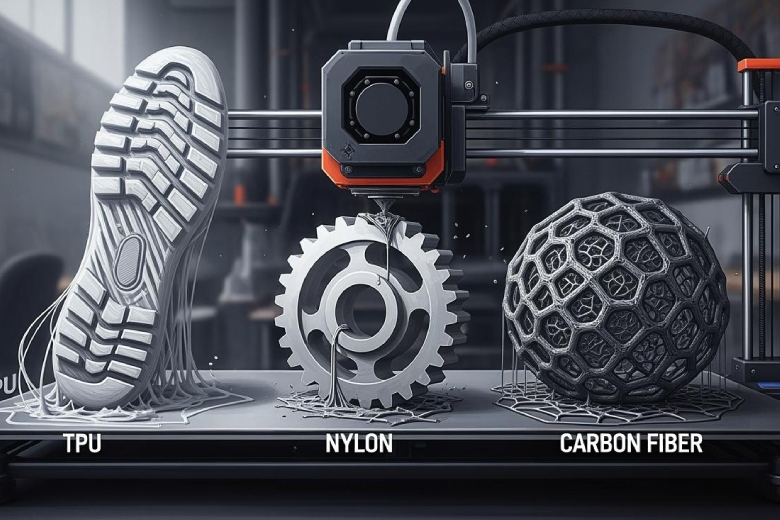
How To Master 3D Printing With Nylon, Carbon Fiber, and TPU
3D printing with nylon, carbon fiber, and TPU is tough due to warping, nozzle wear, and adhesion issues. Find solutions for strong, reliable prints here.
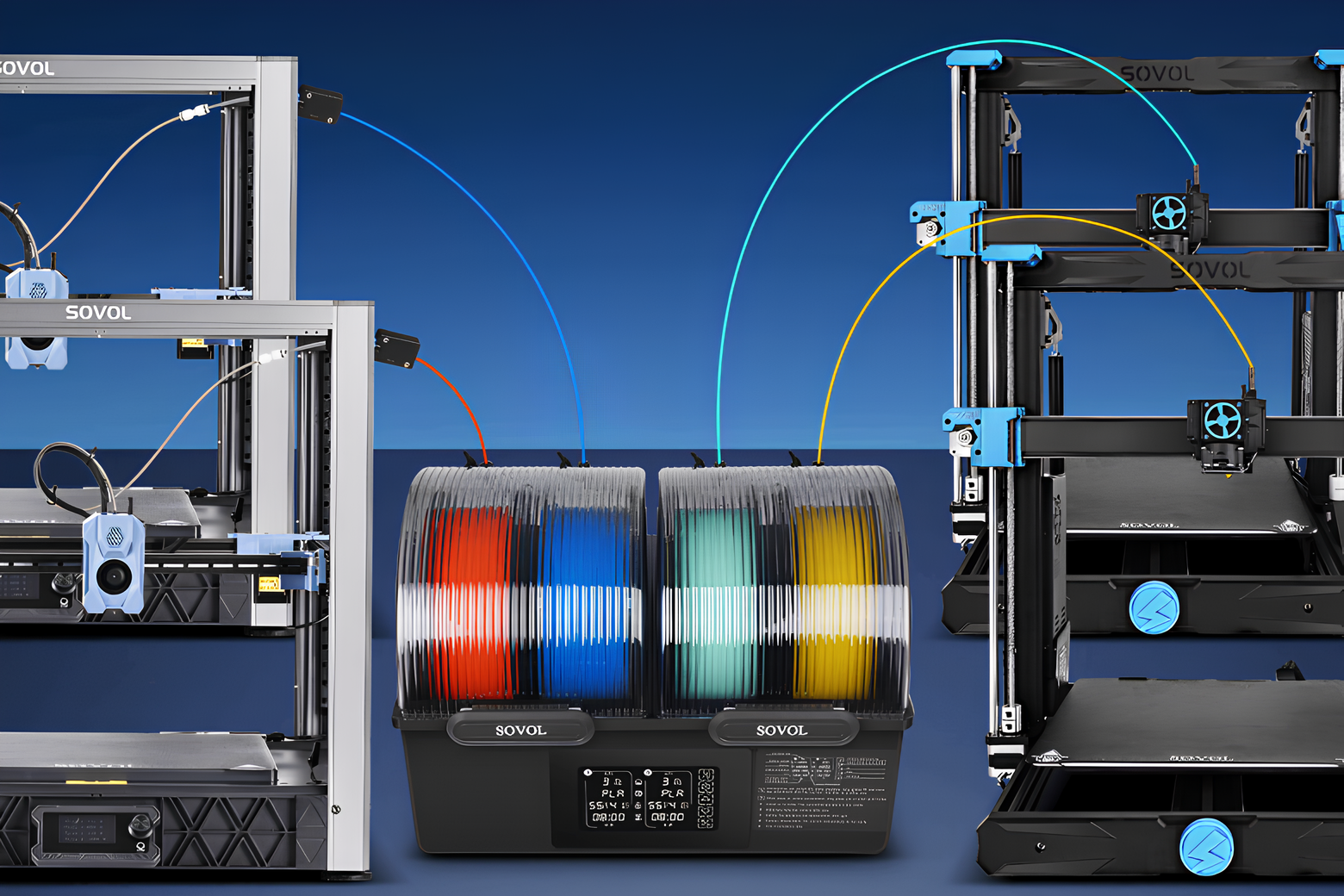
Sovol SH03 Dual-Chamber Filament Dryer vorgestellt
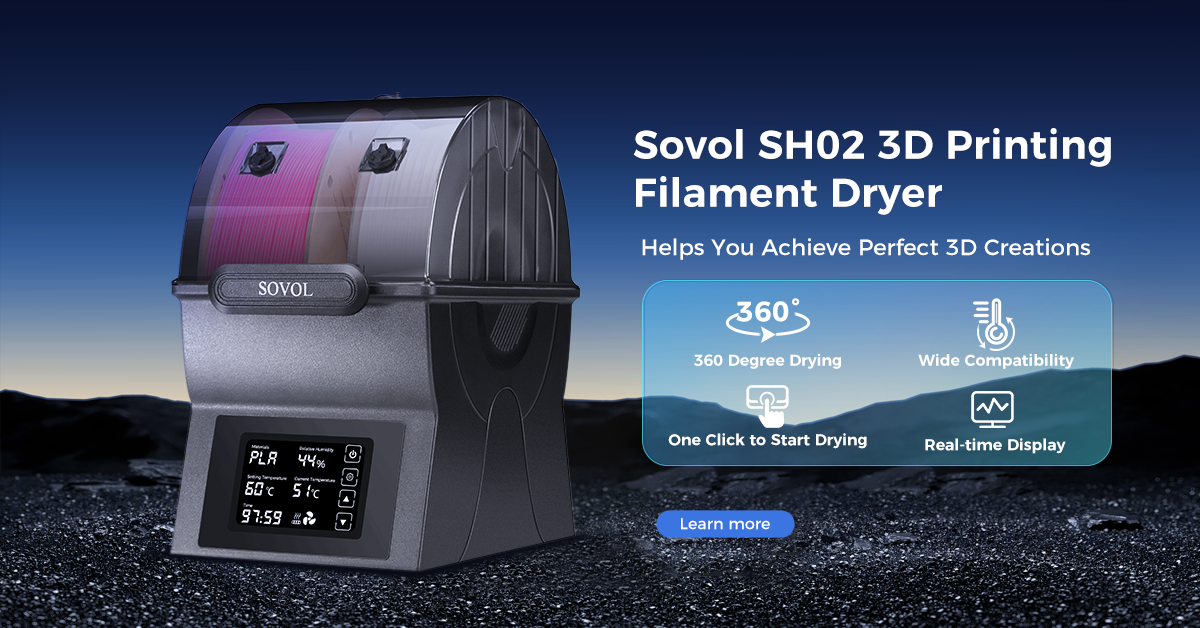
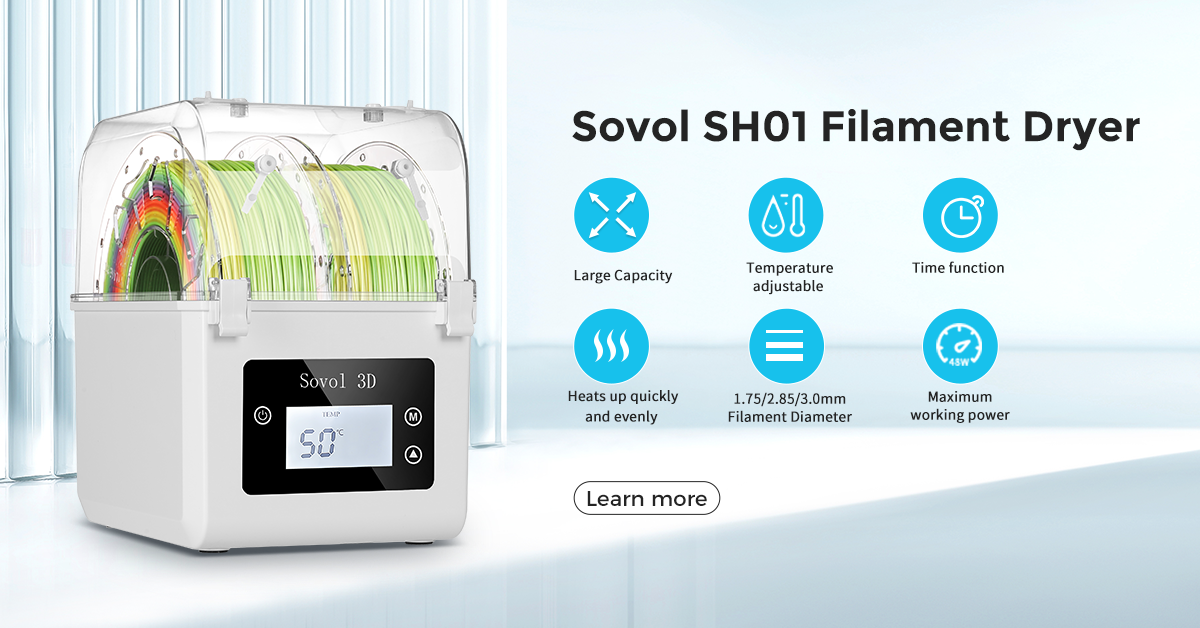
Meet the Sovol SH03 dual-chamber filament dryer and learn how high-temperature drying improves consistency across demanding materials.
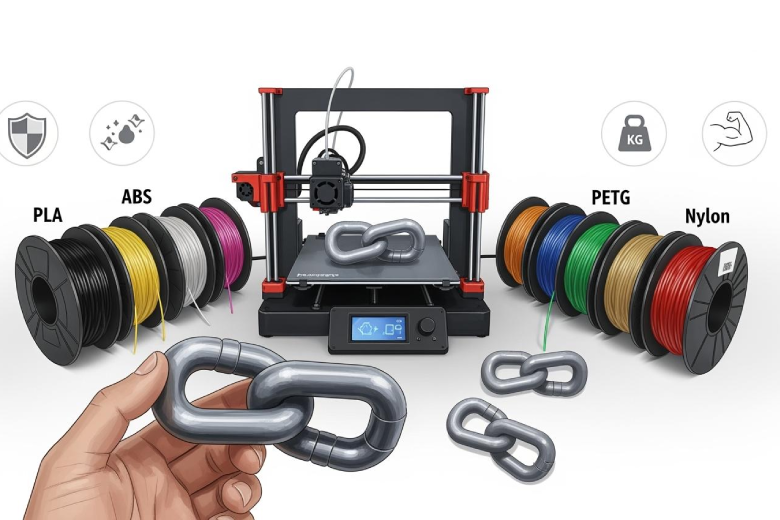
A Guide to the Strength of Common 3D Printing Filaments
Compare the strength of materials in 3D printing filaments like PLA, ABS, PETG, nylon, and polycarbonate to choose the best option for your project.
The causes of 3D printing material breakage and brittleness
3D printing material breaks or becomes brittle due to moisture, heat, poor storage, and manufacturing defects. Learn how to prevent filament failures.
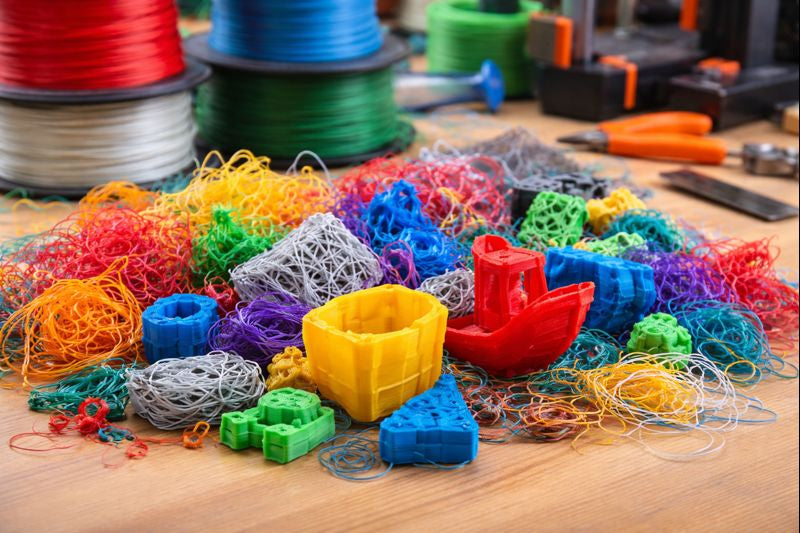
What to Do With Failed 3D Prints and Filament Waste
Explore realistic ways to reuse, recycle, sort, or responsibly dispose of failed 3D prints, supports, purge waste, and leftover filament.
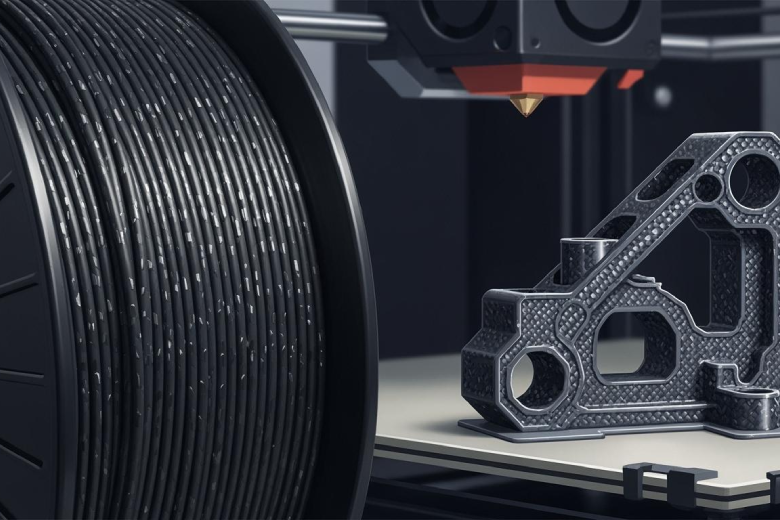
What Is PLA CF Filament and Why Use It for 3D Printing
PLA CF blends PLA with carbon fiber for high strength, stiffness, and a matte finish, making it ideal for durable, lightweight 3D printed parts.
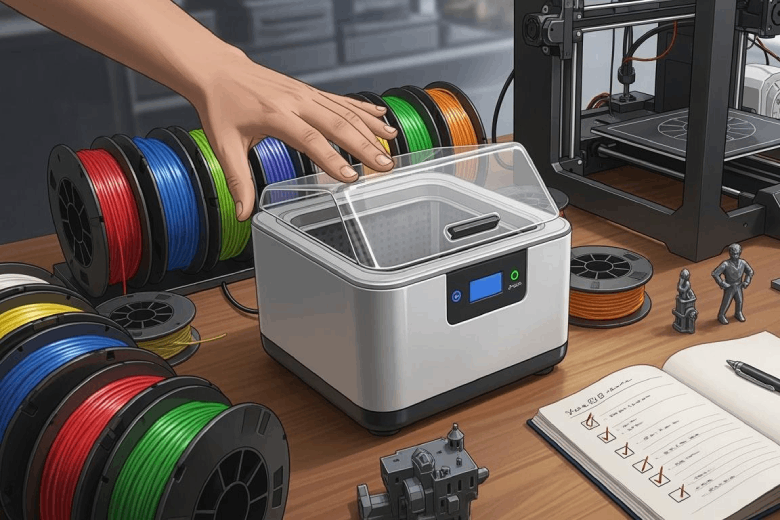
Everything You Need to Know Before Buying a Filament Dryer
Choose the right filament dryer by comparing material compatibility, drying features, and safety to prevent moisture and boost print quality.
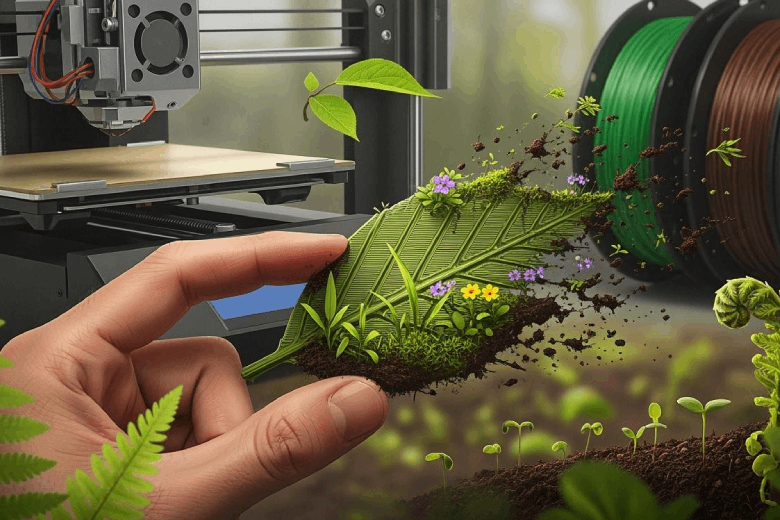
Are 3D printing materials environmentally friendly and biodegradable?
3D printing materials offer eco-friendly and biodegradable options, but most require industrial composting and not all are suitable for every project.
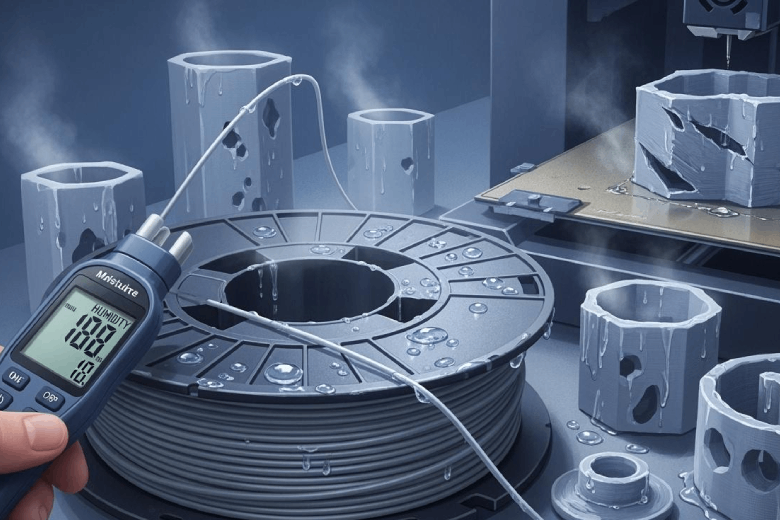
Feuchtigkeit und 3D-Druckmaterialien – Ursachen und Auswirkungen
3D-Druckmaterialien nehmen Feuchtigkeit aus der Luft auf, was zu Druckfehlern und Qualitätsverlust führt. Tipps zur Lagerung und Trocknung im Beitrag.