
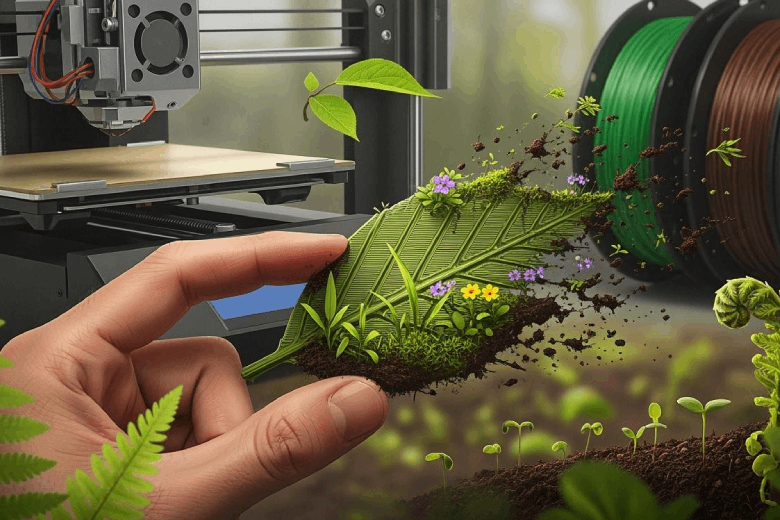
Are 3D printing materials environmentally friendly and biodegradable?
3D printing materials offer eco-friendly and biodegradable options, but most require industrial composting and not all are suitable for every project.

Was tun gegen Gerüche beim 3D-Druck?
3D-Druck verursacht je nach Material Gerüche. Lüften, Filter und die richtige Filamentwahl helfen, Gerüche und Schadstoffe effektiv zu reduzieren.

PLA ist recycelbar, benötigt aber spezielle Verfahren und Infrastruktur. PLA recycelbar bleibt eine Herausforderung, da die Recyclingquote noch gering ist.
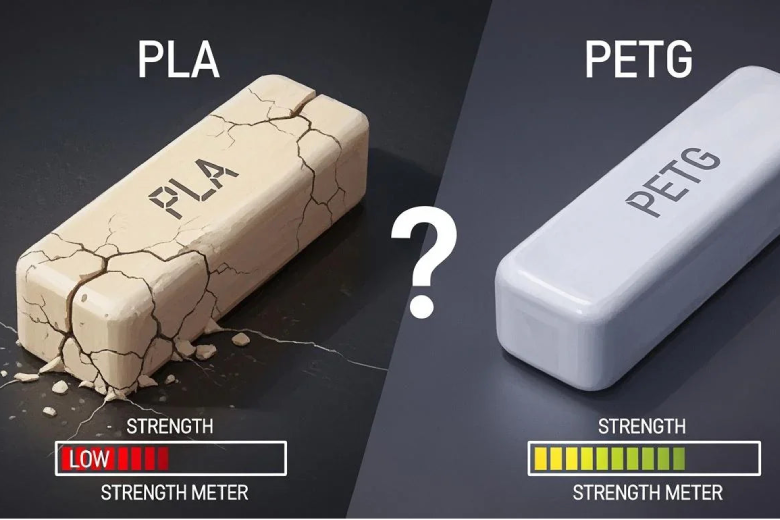
PLA oder PETG: Welches Material ist stärker?
PLA ist steifer, PETG jedoch zäher und flexibler. Für robuste, belastbare Teile ist PETG meist stärker als PLA.

So findest du das perfekte Material für 3D-gedruckte Schuhe
Finde heraus, welches Material für 3D-gedruckte Schuhe optimal ist. Tipps zu Komfort, Haltbarkeit und nachhaltigen Optionen für individuelle Schuhe.
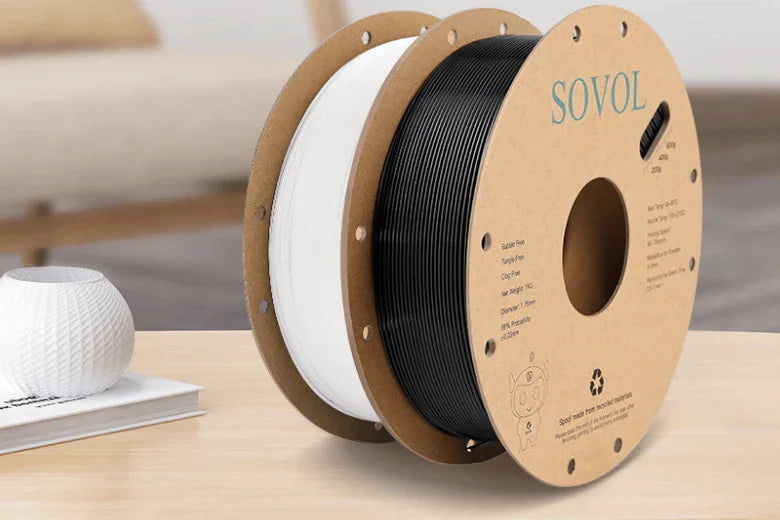
Warum schwarze und weiße PETG-3D-Filamente so beliebt sind
Schwarze und weiße PETG 3D-Filamente überzeugen durch Vielseitigkeit, neutrale Optik und einfache Verarbeitung für professionelle 3D-Druckprojekte.
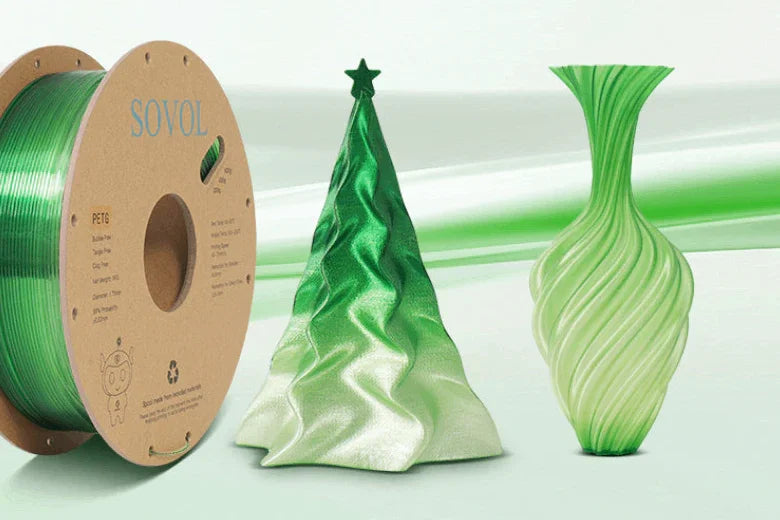
Gradient PETG-Filament macht 3D-Druck bunter und einfacher
Gradient PETG-Filament vereinfacht 3D-Druck und sorgt für bunte Farbverläufe. Erfahre, wie du kreative Projekte einfach und farbenfroh umsetzt.
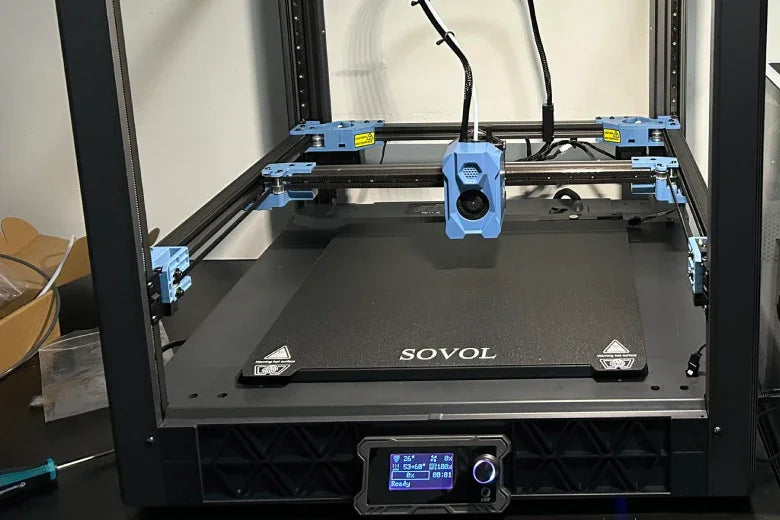
Alles, was Sie über hitzebeständige 3D-Druckmaterialien wissen müssen
Ultimative Anleitung: Erfahren Sie, welche hitzebeständigen 3D-Druckmaterialien es gibt, ihre Temperaturgrenzen und wie Sie das optimale Material auswählen.

The strongest 3D printer filament
PEEK and polycarbonate are the strongest 3D printer filaments, offering high tensile strength, impact resistance, and durability for tough applications.