

The best printing surface depends on your 3D printer, the filament you use, and your print goals. Key factors include material compatibility, adhesion, ease of print removal, durability, maintenance, and surface flatness. Selecting the right build surface for each filament type can greatly impact adhesion and print quality. For example, PLA sticks well to many surfaces, but ABS needs special conditions to avoid warping. Matching the surface to the filament type improves print success and overall strength.
Key Takeaways
- Choose the right printing surface based on your filament type to improve adhesion and print quality.
- Regularly clean your print bed with isopropyl alcohol to maintain strong adhesion and prevent print failures.
- For beginners, glass beds and PEI sheets offer easy use and reliable results with common filaments like PLA.
- Ensure your print bed is flat and even to achieve consistent layer heights and smooth finishes.
- Experiment with different surfaces and settings to find the best match for your specific printing needs.
Key Factors for the Best Printing Surface
Material and Filament Match
Choosing the Best Printing Surface starts with understanding how the print bed material interacts with your filament. Each filament type, such as PLA, ABS, or PETG, has unique requirements for temperature and adhesion.
- The compatibility between the print bed and filament is crucial for strong first-layer adhesion and high print quality.
- Different materials need specific bed temperatures and adhesion methods.
- For filaments with a softening temperature below 60 ℃, like PLA, PVA, or TPU, set the heatbed below 45 ℃ to prevent deformation.
- For filaments with a glass transition temperature between 60 ℃ and 80 ℃, such as PETG, keep the heatbed below 60 ℃ to avoid warping.
Matching the right surface to your filament helps prevent failed prints and improves the final result.
Adhesion and Print Removal
Good adhesion keeps the print in place during printing, while easy removal prevents damage when the print is finished.
- Different filaments have unique properties that require specific settings for optimal adhesion.
- ABS and PLA need different temperature and cooling settings.
- Cleaning the print surface with 90% isopropyl alcohol improves adhesion and reduces print failures.
- Surface treatments, such as plasma or corona treatment, can increase surface energy and improve adhesion for certain applications.
|
Description |
Applications |
|
|---|---|---|
|
Plasma Treatment |
Chemically activates the surface for better adhesion |
Manufacturing, coatings |
|
Corona Treatment |
Uses high-voltage discharge to enhance surface energy |
Printing, laminating |
|
Flame Treatment |
Treats low-energy materials with hot plasma |
Plastics, composites |
|
Chemical Etching |
Activates metal surfaces with chemical baths |
Electronics, medical devices |
|
Vapor Degreasing |
Cleans surfaces with solvent vapor |
General cleaning |
|
Laser Ablation |
Removes material with a focused laser for precision |
Micro cleaning, thin films |
Surface Flatness and Uniformity
A flat and even print bed is essential for consistent layer height and smooth prints.
- Surface roughness and flatness directly affect print quality and layer consistency.
- Lower layer heights lead to smoother surfaces by reducing peaks and valleys between layers.
- Magnetic sheets may not be as flat as glass or aluminum beds, which can cause uneven prints.
|
Surface Type |
Flatness Tolerance |
|---|---|
|
Snapmaker stock platform |
0.15mm |
|
Magnetic sheets |
Less precise |
Durability and Maintenance
The Best Printing Surface should last through many prints and be easy to maintain.
- Regular maintenance, such as cleaning with isopropyl alcohol, is important for optimal print quality.
- Keeping the print surface clean is vital for the best adhesion, especially with ABS and PLA.
- Each bed type has recommended cleaning methods and things to avoid:
|
Bed Type |
What to Avoid |
|
|---|---|---|
|
Glass Print Beds |
Wipe with isopropyl alcohol; soak in warm soapy water |
Metal scrapers; abrasive sponges |
|
PEI Spring Steel Build Plates |
Wash with warm soapy water; wipe gently |
Acetone; aggressive scrubbing tools |
|
Textured Build Plates |
Warm bed; scrape with plastic scraper; clean with soapy water |
Strong solvents; household cleaners |
Common 3D Printing Surface Types
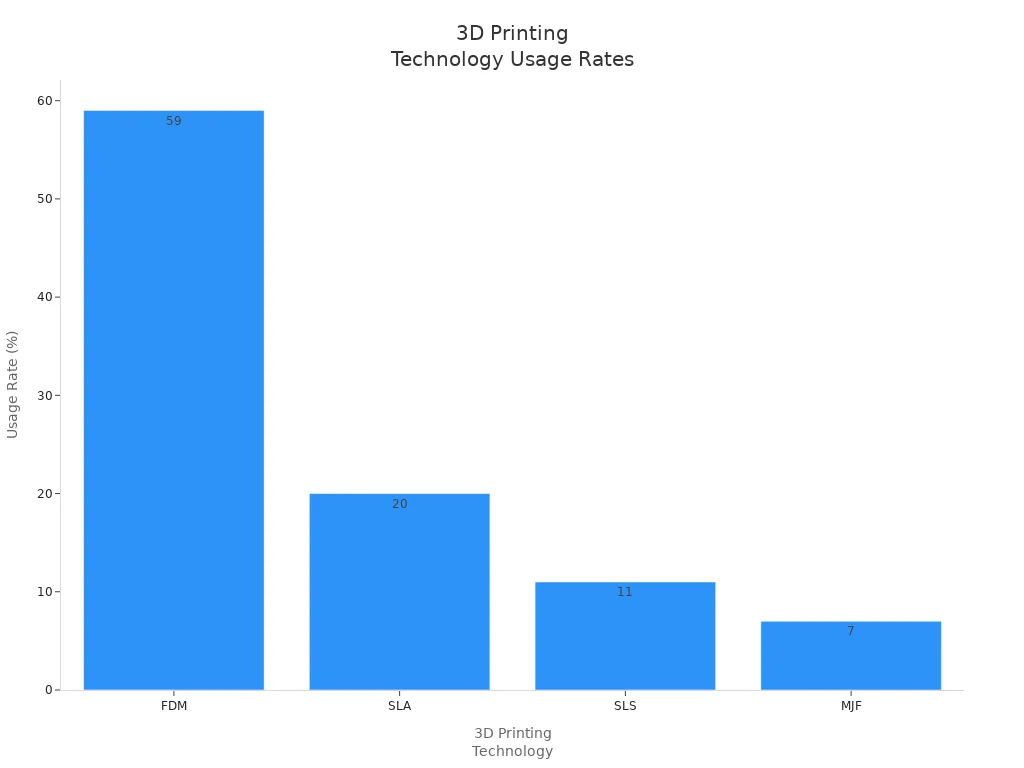
3D printing technology continues to evolve, but FDM printers remain the most popular choice among users. The following chart shows usage rates for different technologies:
Glass Beds
Glass beds are widely used for their smooth and flat surfaces. These beds offer excellent adhesion, especially when heated, which helps reduce warping for materials like ABS. Glass is durable and resists chemical damage. Users appreciate the easy maintenance, as the bed can be removed for cleaning. However, glass beds require careful handling to avoid chipping. Some filaments may need extra adhesives for optimal performance.
Pros:
- Smooth, flat surface for high-quality prints
- Durable and stable
- Easy to clean
Cons:
- Can chip if dropped
- May need adhesives for some filaments
PEI and PEX Sheets
PEI and PEX sheets are popular for their strong adhesion and ease of print removal. PEI sheets provide excellent bed adhesion without tape or glue. Prints often detach automatically after cooling. PEX sheets offer higher temperature resistance and durability, but may require better leveling and high-temperature adhesives.
|
Feature |
PEX Sheet |
|
|---|---|---|
|
Adhesion |
Excellent, no tape or glue needed |
Lower, needs good leveling |
|
Print Removal |
Detaches after cooling |
May need adhesives |
|
Temperature Resistance |
High temp stability |
Higher temp resistance |
|
Durability |
Wear resistant, can be scratched |
Strong, temperature resistant |
Flexible and Magnetic Plates
Flexible and magnetic plates allow users to remove prints easily by bending the plate. These surfaces are convenient for beginners and advanced users. Magnetic plates may not be as flat as glass, which can affect print quality. They work well for quick removal and frequent printing.
Tip: Magnetic plates are best for users who value convenience over perfect flatness.
BuildTak and Similar Surfaces
BuildTak and similar surfaces are designed for strong adhesion, especially at higher temperatures. BuildTak works well with ABS and Nylon, reducing warping and improving print success rates. Kapton tape provides a non-stick surface and maintains consistent build temperature. PEI glass beds with PVA glue are effective for Nylon and allow easy part removal.
BuildTak Advantages:
- Excellent adhesion for ABS and Nylon
- Reduces warping
- Durable for repeated use
DIY Options (Tape, Sheets)
DIY surfaces include tapes and specialty sheets. Users often choose options like PEI sheets, textured beds, or Kapton tape for custom setups. The table below compares popular DIY surfaces:
|
Bed Surface Type |
Aesthetics |
Durability and Care |
Printability and Removal |
Ratings (Printability/Durability/Removal) |
|---|---|---|---|---|
|
Sleek, polished appearance |
Handle with care to avoid chipping |
Superior adhesion, tougher to remove |
10/10, 7/10, 6/10 |
|
|
HoneyBadger Single-Sided Black Textured PEI |
Matte finish, beautiful |
Built to last, tolerates mishaps |
Ideal grip, effortless removal |
8/10, 9/10, 8/10 |
|
Semi-Satin Thin Dual-Sided Textured Beds |
Dodges fingerprints |
Rugged, promises long life |
Easy removal, balances adhesion |
7/10, 9/10, 10/10 |
Selecting the Best Printing Surface depends on your printer, filament, and print goals. Each surface type offers unique benefits for different users and projects.
Filament Compatibility Guide
Choosing the right printing surface for your filament type can improve print quality and reduce failed prints. This guide highlights which surfaces work best for popular filaments. For specific combinations, check a compatibility table or manufacturer recommendations.
PLA
PLA is one of the most popular filaments for beginners and experts. It works well with many surfaces.
Recommended surfaces for PLA include:
- Glass beds, which provide a smooth finish and easy removal.
- Blue painter's tape, offering reliable adhesion and simple setup.
- PEI sheets, known for strong grip and consistent results.
ABS
ABS requires surfaces that minimize warping and maximize adhesion.
Common choices for ABS include:
- PEI sheets, which offer durability and a glossy finish.
- BuildTak and Kapton tape, providing excellent grip at high temperatures.
- Glass beds with adhesion spray, which help achieve a smooth finish.
- PET tape, a budget-friendly option with good results.
- ABS slurry, made by dissolving scrap ABS in acetone, reduces warping.
PETG
PETG needs a surface that balances adhesion and easy removal.
Effective surfaces for PETG:
- PEI sheets, which provide strong adhesion.
- Glue sticks or hairspray, which help prints stick to glass beds.
- Painter's tape, suitable for smaller prints.
- Cleaning with isopropyl alcohol removes oils and improves adhesion.
|
Surface Type |
Adhesion Aid |
Bed Temp (°C) |
|---|---|---|
|
Glass |
Glue stick |
70 |
|
PEI |
None needed |
70-80 |
|
Painter's tape |
None needed |
60-70 |
TPU and Flexibles
Flexible filaments like TPU need surfaces that prevent curling and allow easy removal.
- Textured PEI surfaces provide ideal grip and simple removal.
- Magnetic build plates balance adhesion and effortless part release.
Specialty Filaments
Some specialty filaments require unique surfaces for the Best Printing Surface.
- Nylon works well on PEI glass beds with PVA-based glue.
- BuildTak or other adhesive surfaces are recommended for high-temperature Nylon prints.
- TPU benefits from textured PEI and magnetic plates.
For best results, always check the filament manufacturer's guidelines and experiment with different surfaces.
How to Choose the Best Printing Surface
Choosing the Best Printing Surface depends on your experience, the type of prints you want, and how much time you want to spend on maintenance. Each user has different needs, so it helps to look at the options from several perspectives.
For Beginners
Beginners often want a surface that is easy to use and forgiving of small mistakes. The right choice can make learning 3D printing less stressful and more enjoyable.
- Glass beds are a popular starting point. They offer a flat surface and are easy to clean.
- PEI sheets work well because they provide good adhesion for common filaments like PLA and PETG.
- Magnetic flexible plates help with easy print removal, which reduces the risk of damaging prints or the bed.
- Painter’s tape is another simple option. It is affordable and easy to replace if damaged.
For Advanced Users
Advanced users often experiment with different materials and print settings. They may need a surface that supports a wider range of filaments and can handle higher temperatures.
- PEI and PEX sheets are strong choices for advanced users. They support many filament types and can withstand repeated use.
- BuildTak and similar surfaces help with tricky materials like ABS or Nylon.
- Dual-sided textured beds allow users to switch between smooth and textured finishes, depending on the project.
- Some users create custom surfaces using tapes or specialty sheets for unique applications.
A table can help compare advanced options:
|
Surface Type |
Filament Compatibility |
Max Temp (°C) |
Print Removal |
Maintenance Level |
|---|---|---|---|---|
|
PEI Sheet |
PLA, ABS, PETG, TPU |
120 |
Easy |
Low |
|
BuildTak |
ABS, Nylon, PLA |
110 |
Moderate |
Medium |
|
Textured PEI Plate |
PETG, TPU, PLA |
120 |
Easy |
Low |
For High-Quality Prints
Users who want the smoothest finish and finest details should focus on surfaces that support high-resolution printing. The Best Printing Surface for quality prints must be flat and stable.
- Glass beds provide a very smooth bottom layer, which is important for visual quality.
- PEI sheets help achieve consistent first layers, which improves the overall look.
- Reducing layer height leads to smoother surfaces and less visible lines. This practice is common for high-quality prints.
- Higher print resolution means more precise material placement. This reduces the need for sanding or polishing after printing.
- Balancing print speed and resolution is important. Finer details take longer but result in a better finish.
For Easy Maintenance
Some users want a surface that is simple to care for and lasts a long time. The Best Printing Surface for easy maintenance should resist damage and be quick to clean.
- Glass beds are easy to wipe down with isopropyl alcohol and rarely need replacement.
- PEI-coated spring steel plates can be removed and washed with warm soapy water.
- Magnetic flexible plates allow for fast cleaning and easy print removal.
- Avoid surfaces that scratch easily or require special cleaners.
A quick checklist for easy maintenance:
- Clean the surface after every print.
- Avoid metal scrapers that can damage the bed.
- Replace tapes or sheets when they show signs of wear.
Choosing the Best Printing Surface is easier when you match your needs to the features of each option. Beginners may prefer simple, reliable surfaces, while advanced users and those seeking high-quality prints may look for more specialized solutions. Maintenance should always be part of your decision, as a clean and durable surface leads to better results.
Matching your printing surface to the filament and your project goals leads to stronger, more reliable prints.
- Choosing the right filament helps tailor results to your needs.
- Beginner-friendly filaments like PLA are easy to use, while ABS and PEEK need more skill.
- Filament strength, flexibility, and heat resistance matter for each project.
- Printer compatibility and research improve print quality.
Glass beds and PEI sheets work well for most users. PLA and PETG are popular choices for beginners because they perform reliably on many surfaces. Try a new surface and share your results with others to help the community grow.
FAQ
What is the easiest 3D printing surface for beginners?
Glass beds and PEI sheets are popular for beginners. They offer good adhesion and easy removal. Glass is simple to clean. PEI works with many filaments. Both help new users get reliable prints with less frustration.
How often should I clean my print bed?
Clean your print bed after every few prints. Use isopropyl alcohol for most surfaces. Regular cleaning removes dust and oils. This keeps adhesion strong and prevents failed prints.
Can I use glue or tape on any print surface?
You can use glue sticks or painter’s tape on glass beds and some metal beds. Avoid using them on PEI or textured surfaces, as they may damage the coating or reduce effectiveness.
Why does my print not stick to the bed?
Poor adhesion can result from a dirty bed, incorrect temperature, or wrong surface choice. Check bed leveling and clean the surface. Try adjusting the bed temperature or switching to a surface that matches your filament.
