

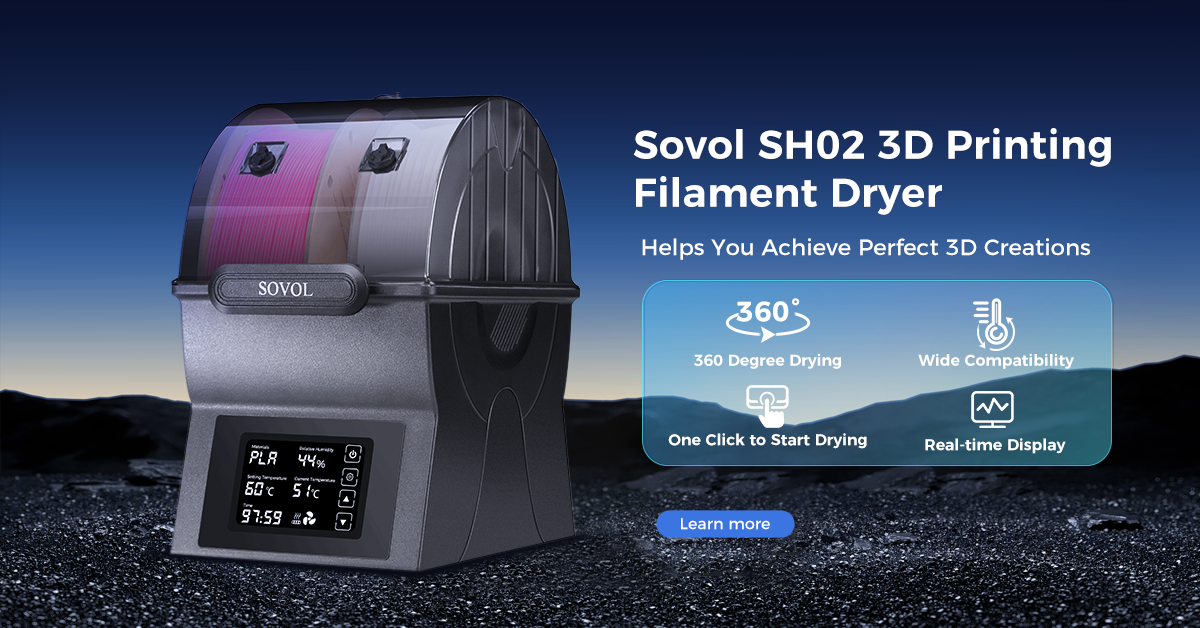
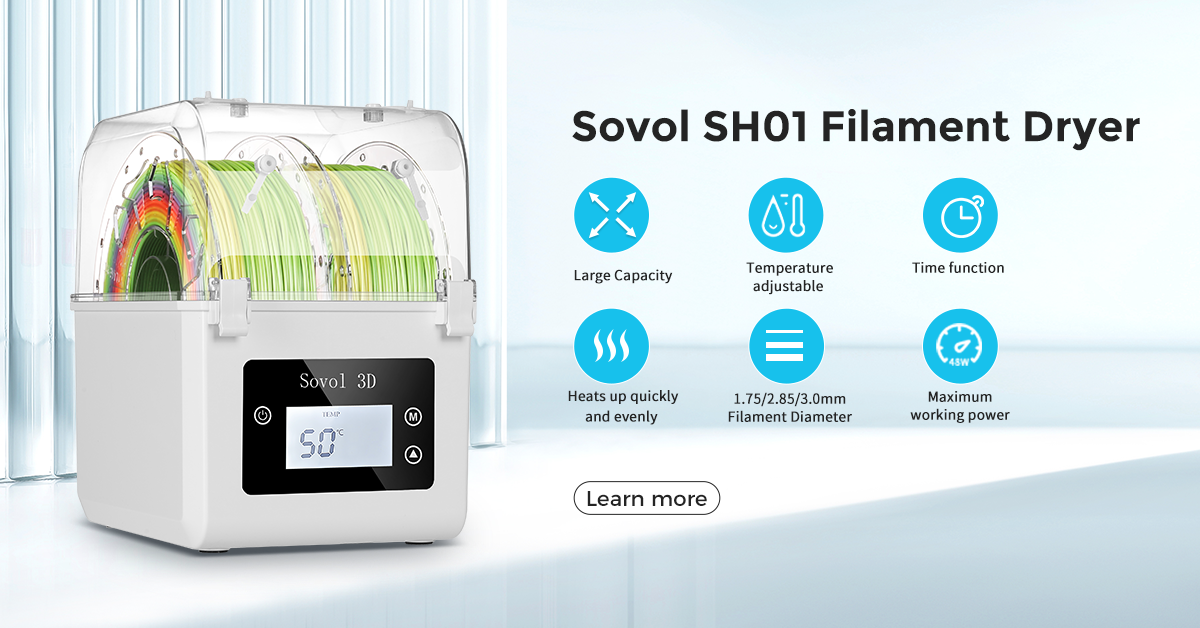




A food dehydrator offers an efficient solution for filament drying at home. Moisture can dramatically impact print quality, causing poor layer adhesion, bubbling, and brittleness. For example, the table below shows how common filaments like PLA, ABS, and PETG absorb moisture and experience changes in tensile strength and elastic modulus:
|
Filament Type |
Effect on Tensile Strength |
Effect on Elastic Modulus |
|
|---|---|---|---|
|
PLA |
≈9.8% |
Minimal changes |
Slight fluctuation |
|
ABS |
≈4.8% |
Moderate increase |
Increased at 45% RH |
|
PETG |
≈9.3% |
Moderate increase |
Increased at 45% RH |
Anyone seeking reliable results can use a dehydrator to restore filament performance and achieve smoother prints.
Key Takeaways
- A food dehydrator effectively removes moisture from 3D printing filament, improving print quality and reducing defects.
- Set the dehydrator temperature according to filament type: PLA at 50°C, ABS at 75-85°C, and PETG at 60-65°C for optimal results.
- Monitor the drying process closely to prevent overheating and ensure even drying; check filament for moisture after the recommended time.
- Store dried filament in airtight containers with desiccant packs to prevent moisture reabsorption and maintain print quality.
- Regularly clean and maintain your dehydrator to ensure it operates effectively and safely for future drying cycles.
Food Dehydrator for Filament Drying
How It Works
A food dehydrator removes moisture from 3D printing filament by applying gentle, controlled heat. This process uses low temperatures to evaporate water without melting or damaging the material. The principle behind this method is simple: low heat restores the filament’s integrity, which moisture can compromise. When filament absorbs water from the air, it becomes brittle and prints poorly. By drying it in a dehydrator, users can bring back its original strength and flexibility.
Most dehydrators allow users to set temperatures between 40°C and 70°C and run timers from 1 to 24 hours. This flexibility makes it easy to match the drying process to different filament types. The table below shows recommended settings for popular materials:
|
Filament Type |
Recommended Drying Temperature (℃) |
Drying Time (h) |
|---|---|---|
|
PLA Basic/PLA Matte |
50 |
8 |
|
PLA Silk+ |
55 |
8 |
|
PETG |
60-65 |
8 |
|
ABS |
75-85 |
8 |
|
TPU |
65-75 |
8 |
|
PVA |
75-85 |
8-12 |
Tip: Always check the filament manufacturer’s guidelines before drying. Avoid exceeding the recommended temperature to prevent warping or releasing fumes.
Pros and Cons
A food dehydrator offers several advantages for hobbyists and makers who want reliable results. It provides a safe, energy-efficient way to dry filament at home. Compared to an oven, a dehydrator uses less energy and operates at lower temperatures. Ovens often take two to three times longer to dry materials and lack built-in fans, which leads to uneven heat and higher energy use.
Benefits of using a dehydrator:
- Reduces moisture-related defects, resulting in smoother prints.
- Improves mechanical properties such as flexibility and strength.
- Uses low heat, making it safe for materials like PLA and nylon.
- Consumes less energy than a conventional oven.
Considerations to keep in mind:
- Home drying methods, including food dehydrators and ovens, may not always deliver perfect results.
- Achieving the best outcome requires careful control of temperature and humidity.
- Household dehydrators sometimes produce uneven heat, which can lead to inconsistent drying compared to a professional filament dryer.
Ovens dry filament by raising the temperature and lowering humidity, but without a fan, they often fail to distribute heat evenly. This can cause some parts of the spool to remain damp.
A food dehydrator stands out as a practical, cost-effective solution for most users. With the right settings and attention, anyone can restore filament and enjoy higher-quality prints.
Choosing and Modifying a Food Dehydrator
Key Features to Look For
Selecting the right food dehydrator can make a big difference in filament drying results. Shoppers should focus on these essential features:
- Adjustable temperature settings allow precise control. Different filaments need different temperatures. For example, PLA dries best at 40-50°C, while nylon requires around 70°C.
- A timer function helps prevent over-drying. Most filaments need 4-6 hours, but nylon may need up to 12 hours.
- Tray size and capacity matter. Stackable trays let users fit one or more spools and ensure even airflow.
- Consistent airflow across trays ensures uniform drying. Placing spools evenly helps avoid damp spots.
- Safety features such as thermal cutoffs and overheat protection add peace of mind.
- A typical dehydrator for this purpose costs $50-$75 and often includes 5-8 trays, a 1-24 hour timer, and a 35°C-70°C temperature range.
Tip: Always match the temperature to the filament type to avoid damage and get the best print quality.
Simple Modifications
Many hobbyists improve their dehydrator’s performance with easy tweaks. Removing some trays creates enough space for a filament spool. Some users add a heater pad and fan assembly for faster, more stable drying. Others place silica gel trays inside to absorb extra moisture without using more power.
|
Modification |
Drying Mechanism |
Features |
|---|---|---|
|
Heater Pad + Fan Assembly |
Active |
Quick drying, stable temps |
|
Silica Gel Tray Integration |
Passive (desiccant) |
Low cost, no power consumption |
Before buying, check that the dehydrator can run at low temperatures suitable for your filament. These simple changes can turn a basic dehydrator into a reliable filament dryer.
Safety Tips
Safety should always come first. Dehydrators can reach high temperatures, so users must monitor them during operation. Overloading trays can cause uneven drying or even malfunction. Proper ventilation prevents moisture buildup and protects both the filament and the dehydrator. Always follow the manufacturer’s instructions and never leave the dehydrator unattended for long periods.
Note: Choose a dehydrator with built-in overheat protection and thermal cutoffs for extra safety.
Filament Drying Steps
Preparing the Spool
Proper preparation ensures the best results when using a food dehydrator to dry 3d printing filament. Users should follow these steps for PLA, ABS, and PETG:
- Remove the filament spool from its packaging. Inspect the spool for visible dust or debris.
- Wipe the spool gently with a clean, dry cloth. This step prevents contaminants from interfering with the drying process.
- Place the spool inside the dehydrator. Make sure the spool sits flat and does not touch the heating element or the dehydrator walls.
- If drying multiple spools, leave space between each one. This arrangement allows for even airflow and consistent drying.
- Set the dehydrator trays to accommodate the spool size. Remove extra trays if needed to fit larger spools.
Tip: Always check that the filament unwinds smoothly. Tangled filament can cause jams during printing.
Temperature & Time Guide
Selecting the correct temperature and drying time is crucial. Each filament type requires specific settings to avoid damage and achieve optimal performance. The table below summarizes the best practices for PLA, ABS, and PETG:
|
Filament |
Temperature (°C) |
Time (hours) |
|---|---|---|
|
PLA |
45-55 |
4-6 |
|
ABS |
80 |
4-6 |
|
PETG |
65 |
3 |
For example, users should set the dehydrator to 65°C for PETG and allow it to dry for at least 3 hours. After drying, check the filament for any remaining moisture. If needed, run another cycle to ensure complete drying.
⚠️ Never exceed the recommended temperature for each filament. High temperatures can deform the spool, release harmful fumes, or ruin the material. Always consult the filament manufacturer’s guidelines before starting.
Monitoring Progress
Careful monitoring during the drying process helps prevent overheating and ensures the filament dries evenly. Users should:
- Check the dehydrator periodically to confirm it maintains the set temperature.
- Inspect the filament after the recommended drying time. Look for signs of moisture, such as bubbling or brittleness.
- If the filament still feels damp or prints poorly, repeat the drying cycle.
- Use a hygrometer if available. This tool measures humidity and helps verify that the filament is dry.
A quality filament dryer or food dehydrator with a timer and temperature control simplifies this process. Consistent monitoring leads to better print results and extends the life of the filament.
Note: Properly dried filament produces smoother prints, stronger layers, and fewer print failures. Investing time in this process pays off with every project.
After Drying: Storage & Maintenance
Storing Dried Filament
Proper storage keeps dried filament in top condition and prevents moisture from ruining print quality. Users should always place spools in airtight containers immediately after drying. These containers block humid air and protect the material from reabsorbing moisture. Adding desiccant packs, such as silica gel, inside the container boosts moisture control and extends the life of the filament.
Popular storage options include plastic bins with tight lids, food storage boxes, and vacuum-sealed bags. For short-term storage, resealable plastic bags with silica gel packs work well. Vacuum-sealed bags offer the best protection for long-term storage. After each print, users should return any unused filament to its storage container or vacuum chamber.
Tip: Regularly check stored filament for signs of moisture, especially if it sits unused for long periods.
Maintaining the right humidity level is crucial. The table below shows the recommended humidity levels for different filament types:
|
Filament Type |
Recommended Humidity Level |
|---|---|
|
PLA |
Below 50% RH |
|
Nylon, TPU |
Under 20-30% RH |
|
General |
Below 45% RH |
Consider using a dehumidifier in the storage area for extra protection, especially in humid climates.
Dehydrator Care
A clean dehydrator ensures safe and effective drying every time. After each use, users should unplug the device and let it cool. Remove trays and wash them with warm, soapy water. Wipe the interior with a damp cloth to remove dust or residue. Never use harsh chemicals or abrasive pads, as these can damage the dehydrator’s surfaces.
Inspect the dehydrator regularly for signs of wear or malfunction. Check that the fan and heating element work properly. Store the dehydrator in a dry place to prevent rust or electrical issues. With simple care, the dehydrator will deliver reliable performance for many drying cycles.
A food dehydrator offers a practical and gentle way to dry filament for 3d printers. Users report smoother prints and fewer issues when they follow these best practices:
- Place spools evenly on trays.
- Match temperature to filament type.
- Dry for 4-6 hours, longer for nylon.
- Store dried filament in airtight containers.
Many hobbyists find that this method works well for multiple filaments at once. Beginners can join online groups to share results and learn more.
FAQ
Can any food dehydrator dry filament?
Most food dehydrators work for filament drying. They must offer adjustable temperature settings and consistent airflow. Users should check the dehydrator’s minimum and maximum temperature before starting. Reliable models help restore filament quality and prevent print failures.
Is it safe to dry filament with food in the same dehydrator?
Experts recommend using separate dehydrators for food and filament. Filament may release fumes or residue during drying. Dedicated equipment keeps food safe and avoids contamination. Users protect their health and maintain print quality by following this advice.
How often should someone dry filament?
Filament absorbs moisture quickly in humid environments. Users should dry filament before every major print project or after long storage. Regular drying ensures strong prints and reduces waste. Consistent care leads to better results and fewer failed prints.
What signs show filament needs drying?
Filament that snaps easily, produces rough prints, or shows bubbles during extrusion needs drying. Users notice poor layer adhesion and stringing. Quick action restores filament performance and saves time. Monitoring print quality helps identify moisture problems early.
Can a food dehydrator damage filament?
A food dehydrator can damage filament if the temperature is too high. Users must follow manufacturer guidelines and monitor the process. Proper settings protect filament from warping or releasing fumes. Careful use guarantees safe and effective drying.
