

Put an object into a machine, press a button and collect an identical copy a few minutes later. In science fiction, that feels almost ordinary.
Real 3D printing offers a smaller but still remarkable transformation: a model on a screen becomes something you can hold. That raises an obvious question: if we can print models, why can't we copy everything around us?
The answer is hidden in the word “copy.” Reproducing an object's shape, appearance, material properties and function are four different challenges. A 3D printer can help with some of them, but it is not a universal replicator.
First, what do you actually want to copy?
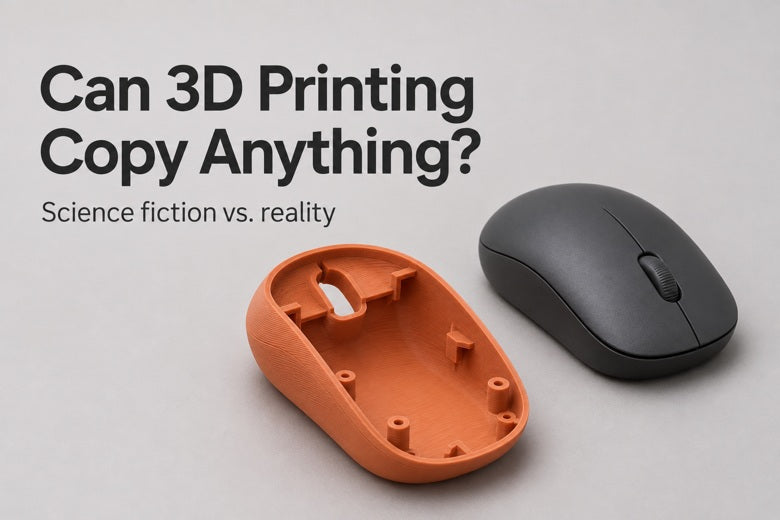
Imagine a wireless mouse on your desk. You might want a mouse-shaped ornament, a replacement shell that fits its existing components, or a complete working mouse. Those goals look similar but require very different work.
| What you want to reproduce | What must be solved |
|---|---|
| Shape | Obtain a suitable model and manufacture its geometry. |
| Appearance | Reproduce colors, textures, gloss and visible detail. |
| Performance | Choose materials and verify strength, temperature resistance and fit. |
| Complete function | Provide electronics, mechanisms, software and assembly where needed. |
Printing a mouse-shaped shell does not manufacture a working mouse. Likewise, a printed camera housing does not automatically contain a lens, sensor and circuitry. Printing performs a specific part of the manufacturing process.

Gap 1: the printer does not know what you want to reproduce
A typical home 3D printer follows instructions prepared from a digital model. Placing an object beside the machine does not tell it what that object looks like.
You first need to obtain its geometry. Common routes include:
- finding an existing design file;
- measuring the object and modeling it again;
- capturing its surface with a suitable scanner;
- reconstructing it from multiple photographs.
For a simple drawer knob, measuring and remodeling may be more direct than scanning. For an intricate sculpture, scanning may be useful. Turning an object into a file and turning that file into a print are separate steps. Films often compress them into one action.
Why doesn't a scan automatically produce a usable copy?
Scanning captures accessible information; it does not automatically explain how a product works. An external scan of a closed remote control may show its outline without revealing internal screw posts, circuit-board mounts or the mechanism behind its buttons.
Transparent, shiny and visually featureless surfaces can also be difficult for common optical scanning or photogrammetry workflows. Depending on the method, the result may need missing areas repaired, unwanted geometry removed, dimensions checked or details redesigned.
A scan can therefore be a useful starting point without being the final model for printing and assembly. If you are working from photographs, our comparison of photo prints, reliefs and 3D figures explains why one image does not contain a complete object's shape.
Gap 2: the same shape can have very different properties
A metal cup and a plastic cup can share dimensions while feeling and behaving differently. Their weight, stiffness, temperature limits and surface feel depend on the materials.
Home FDM printers commonly use thermoplastic filament. They can make useful housings, holders and decorative objects, but matching a shape does not give the print all the properties of metal, glass or rubber.
Even two objects described simply as “plastic” may use different formulations, reinforcement and manufacturing processes.
A simple example: a clip
You might reproduce a clip's outline and find that the result is too stiff to open, too soft to grip, or initially functional but unreliable after repeated bending. It might also gradually loosen under sustained load.
The problem is not necessarily an inaccurate drawing. The material and geometry may not suit the task. Reproducing a function often requires redesign rather than tracing.

Gap 3: the manufacturing process changes the result
Using the same broad material family does not make parts from different processes equivalent. FDM builds an object from deposited paths and layers, so its mechanical behavior can vary with direction. Print orientation influences how a load passes through those layers.
A hook can look correct yet fail along a weak interface when loaded. Changing orientation, thickening a connection or adding a rounded transition may matter more than matching the original outline exactly.
This is why a well-designed printed replacement sometimes looks different:
- a thin section becomes thicker;
- a sharp corner becomes a rounded transition;
- a one-piece component becomes an assembled design;
- a connection gains a screw or insert.
The changes adapt the design to the new manufacturing method. They are not proof of sufficient strength on their own; the part still needs evaluation for its intended use.
Gap 4: color and texture do not arrive automatically
A screen can show convincing polished metal, clear glass and detailed skin. A printer has to express that appearance using real materials and a particular process. A beautiful render is not a guarantee of an identical physical finish.
Multicolor FDM can create different color regions, but its palette, details and transitions depend on the available materials and workflow. Professional full-color printing and home multicolor printing are not interchangeable terms.
Matching the appearance may also involve support removal, seam cleanup, sanding, painting, coating or assembly with other materials. Sometimes retaining the shape and choosing a different finish produces a more convincing object than trying to imitate every original detail.
What is reasonably suited to copying at home?
Good starting points have an understandable structure, clear requirements and low consequences if the part fails.
| Object | Why try it? | Check first |
|---|---|---|
| Decorative model | Shape and display are the main goals. | Detail, scale and finish |
| Simple knob or cover | A suitable replacement may be hard to find. | Interface, fastening and operating conditions |
| Storage insert | Dimensions can match a particular space. | Clearance and ease of use |
| Prototype housing | Layout and form can be revised. | Assembly, cooling and internal space |
| Display prop | The design can prioritize visual effect. | Weight, joints and handling |
Suitable does not mean automatically successful. Print a small sample or a critical mating section before committing to the complete object.
For high temperatures, electrical protection, pressure or important load-bearing functions, “it fits” is not sufficient evidence. Such parts require design and validation for their actual application. Consider permissions and applicable rights before reproducing or distributing someone else's design.
Why making it fit your needs can be better than making an exact copy
The most useful print is not always a replica. A small knob can become easier to grip. A storage box can gain compartments sized for your tools. A stand can adopt an angle that works on your particular desk.
The original is a starting point. You do not have to preserve awkward details or accept a standard size that does not suit you.
One of 3D printing's practical strengths is making “change it a little” an achievable option. If the first version does not fit, you can revise it. If your needs change, the design can change too.

Five questions before copying an object
- Do I need a similar appearance or the same function? A display piece and a working replacement have different success criteria.
- Do I have reliable dimensions and complete information? One photo or a surface scan may omit details needed for assembly.
- Which material will I use? Match it to temperature, load, environment and frequency of use.
- What other components are needed? Screws, springs, bearings and electronics may still need to be sourced separately.
- Can I test the critical area first? A short interface or clip test is usually easier to revise than a full-size print.
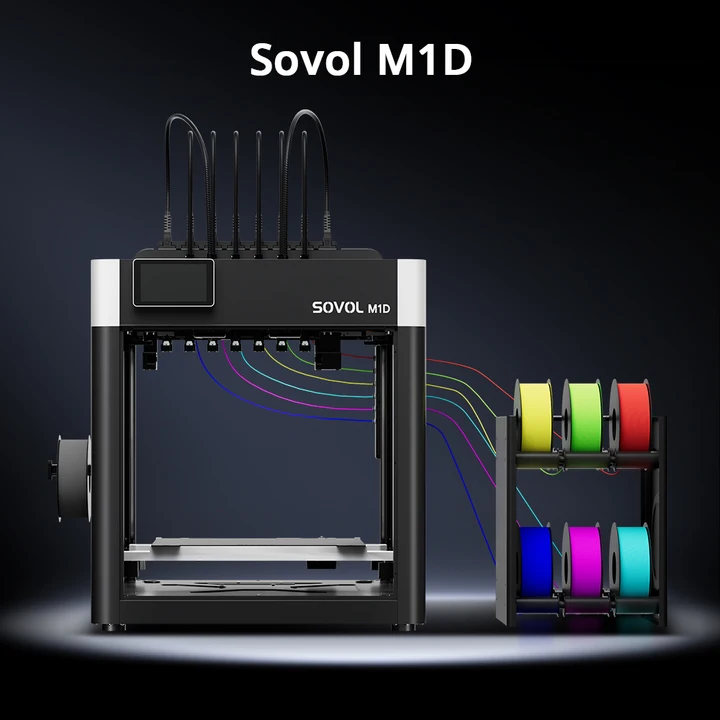
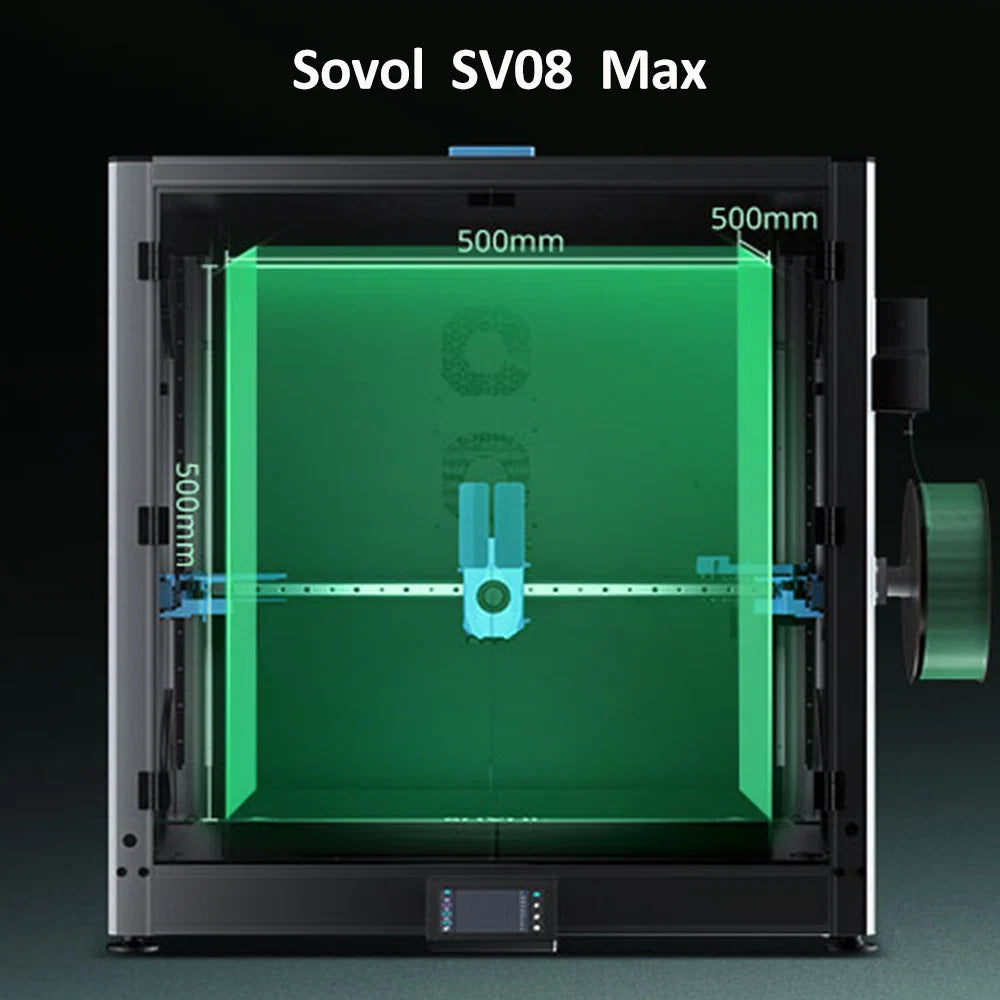
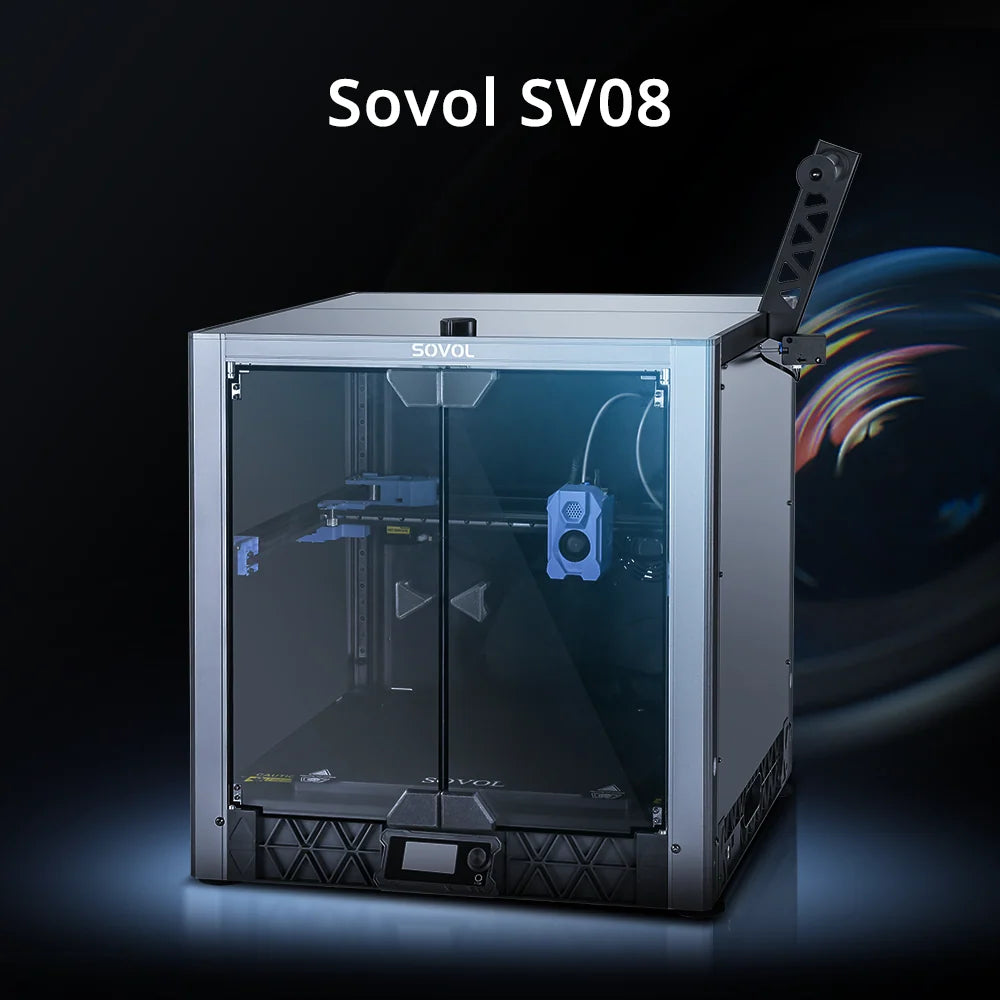
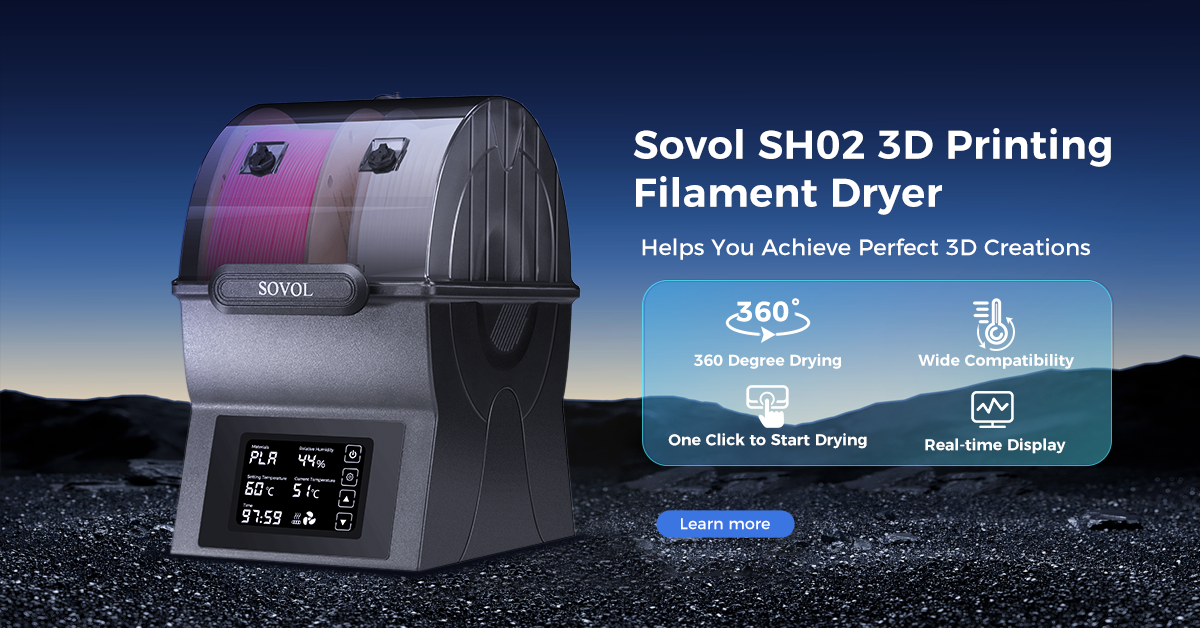
The images illustrate these concepts. They are not dimensional comparisons, scan results or tested replacement parts.
Frequently asked questions
Can a 3D scanner copy any object?
No. A scanner captures information accessible to its sensing method. It does not automatically reconstruct every internal feature, material property or function.
Can a single photo produce a complete copy?
It can support modeling or an interpreted model, but unseen areas require extra information or assumptions. A generated model should not be treated as an exact replica.
Are 3D-printed parts always weaker than the originals?
No. Performance depends on material, design, process and conditions. A part redesigned for printing may work better for a particular task, but that needs evidence from the intended application.
Can a printed plastic part replace a metal part?
Sometimes a low-demand application can be redesigned for plastic, but shape alone is not a basis for substitution. First understand why the original uses metal.
Should beginners aim for exact copies?
Not necessarily. For many everyday projects, useful fit and reliable function matter more than reproducing every feature of the original.
Conclusion: not a universal replicator, but a different way to make things
Science-fiction machines skip model capture, material selection, manufacturing, assembly and testing. Real 3D printing requires those questions to be answered.
It can reproduce many shapes and contribute to functional products, but shape, appearance, performance and complete function do not automatically arrive together.
For home users, the most valuable possibility may not be copying anything exactly. It is being able to make a version that suits you better when an existing object does not.
