
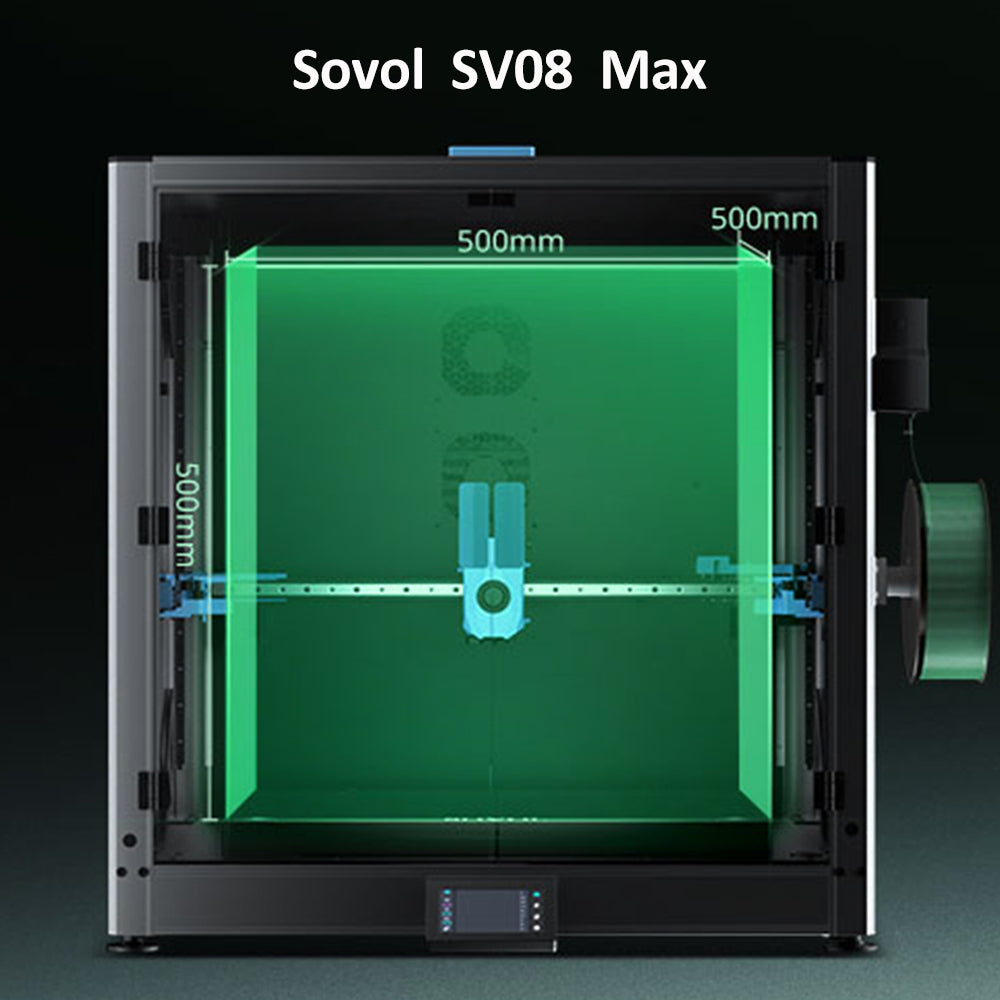






Can food-grade materials directly contact food?
Food-grade materials are approved for direct food contact, meeting strict safety standards to prevent harmful substance transfer.
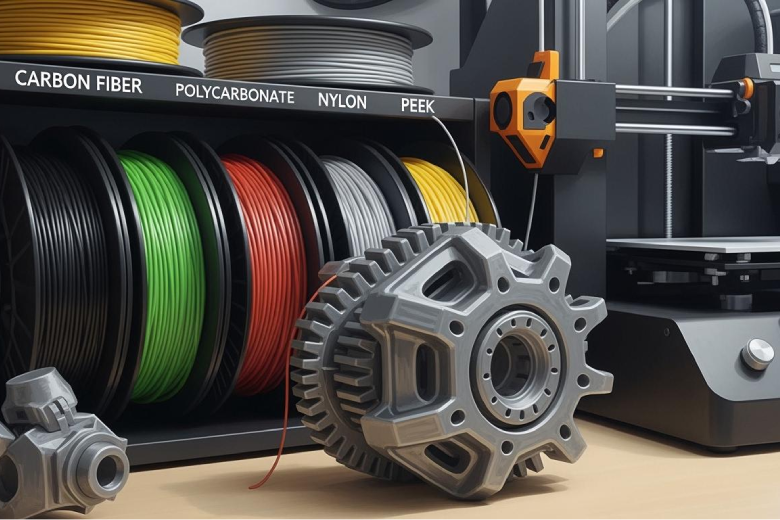
What Are the Strongest Filaments for 3D Printing
PEEK, polycarbonate, and carbon fiber composites are the strongest filament choices for 3D printing, offering top durability and high performance.
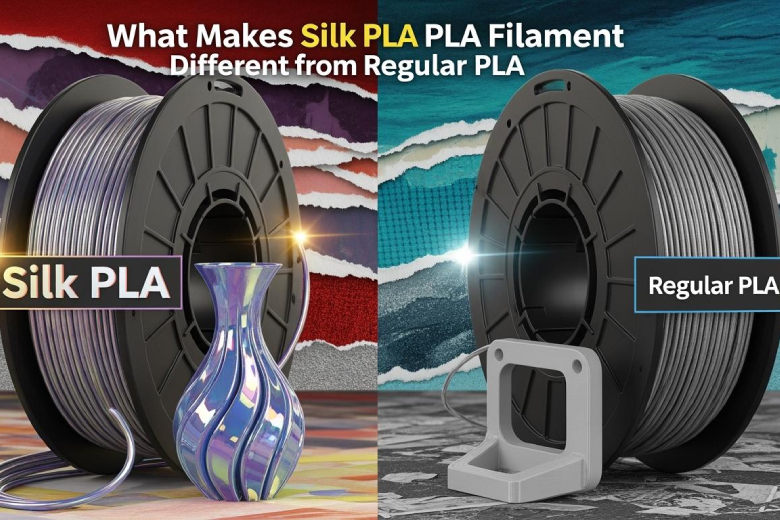
What Makes Silk PLA Filament Different from Regular PLA
Silk PLA filaments offer a glossy, smooth finish and more flexibility, while regular PLA provides a matte look and greater strength for functional prints.
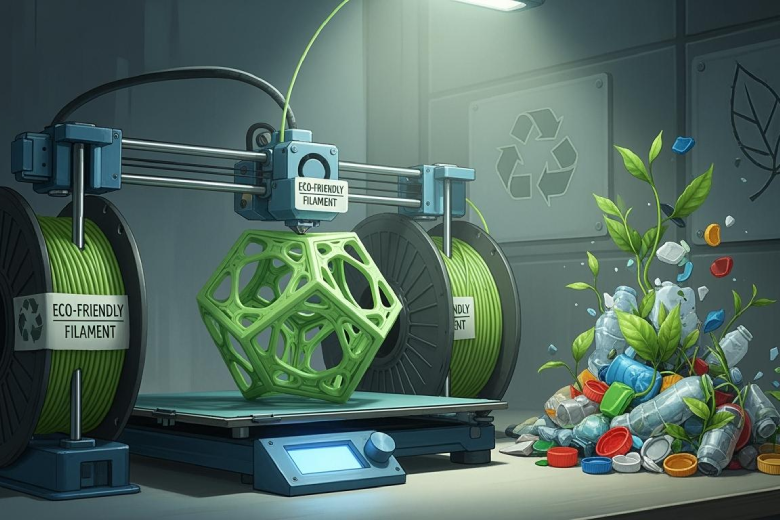
Wie nachhaltige Materialien im 3D-Druck Abfall reduzieren
Mit nachhaltigen 3D-Druck-Filamenten lassen sich Abfälle minimieren, Ressourcen effizient nutzen und geschlossene Materialkreisläufe fördern – ein aktiver Beitrag zum Schutz unserer Umwelt.

3D printing can emit toxic fumes and ultrafine particles, posing health risks like irritation and respiratory issues. Ventilation and safer materials reduce risks.
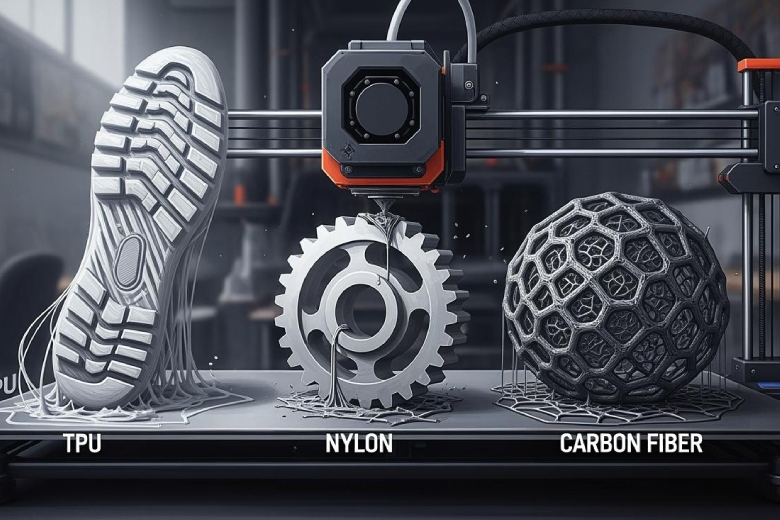
How To Master 3D Printing With Nylon, Carbon Fiber, and TPU
3D printing with nylon, carbon fiber, and TPU is tough due to warping, nozzle wear, and adhesion issues. Find solutions for strong, reliable prints here.
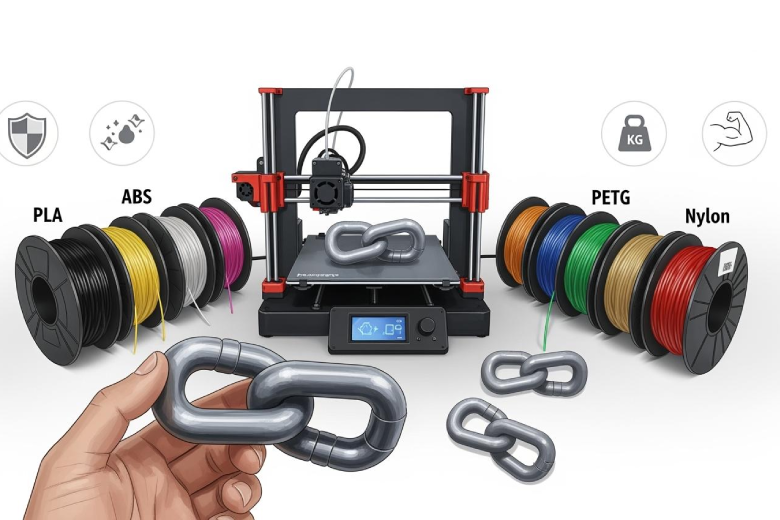
A Guide to the Strength of Common 3D Printing Filaments
Compare the strength of materials in 3D printing filaments like PLA, ABS, PETG, nylon, and polycarbonate to choose the best option for your project.
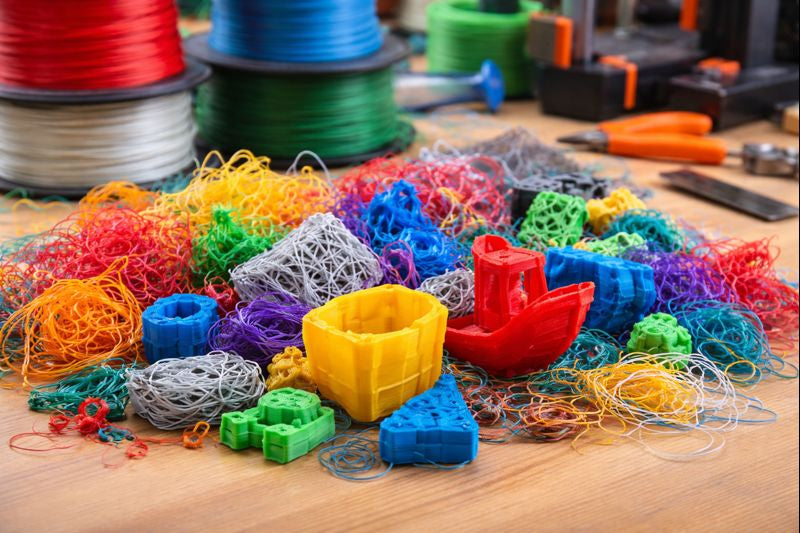
What to Do With Failed 3D Prints and Filament Waste
Explore realistic ways to reuse, recycle, sort, or responsibly dispose of failed 3D prints, supports, purge waste, and leftover filament.

What Is PLA CF Filament and Why Use It for 3D Printing
PLA CF blends PLA with carbon fiber for high strength, stiffness, and a matte finish, making it ideal for durable, lightweight 3D printed parts.