
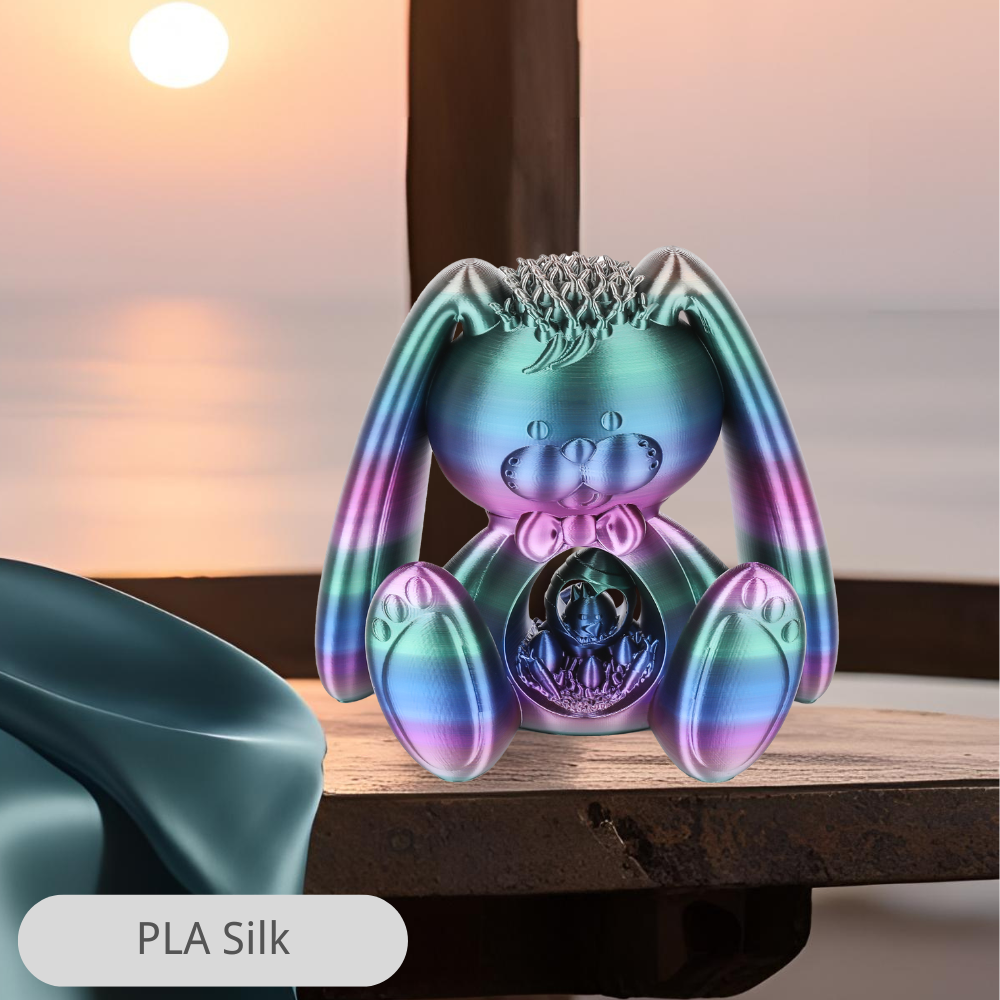


When you choose 3D printing materials, some important factors matter. These factors can change how good your print is, how much it costs, and how long it lasts. Experts say you should think about what your project needs. You need to know if you want a prototype or something that works for real. Here are some things to consider when you choose 3D printing:
- See if the material fits the best 3D material rules for your use.
- Think about how the part looks, especially if it needs to look nice.
- Make sure the material can take stress and work in its place.
- Check for certifications if you need them.
Key Takeaways
- Figure out what your project needs before picking materials. Think about if you want a prototype or a finished product.
- Look at things like strength, flexibility, and heat resistance. This helps make sure your part works well.
- Make sure the materials have safety certifications. This keeps people and the environment safe and shows good quality.
How to Choose 3D Printing Materials
Picking the right material for your 3D printing project matters a lot. This section shows you simple steps to help you choose well. You should check what your project needs. Think about where your part will go and how it must work. Every project is different. The best material depends on your goals and where you use it.
Application Needs
First, think about what you want your printed part to do. The job of the part helps you pick the material. Ask yourself these questions:
- Is the part a prototype or a finished product?
- Does it need to hold weight or bend easily?
- Will it face heat, chemicals, or sunlight?
- Should it look smooth and colorful, or be strong?
Different 3D printing materials have special features. Thermoplastics, metals, resins, and ceramics each have their own benefits. Some are strong and tough. Others can handle high heat or chemicals. Picking the right material helps your part last longer and work better. It can also save money and cut down waste.
Tip: Write your project goals before you pick 3D printing materials. This helps you focus on what matters most for your design.
Performance Requirements
Next, check how your part must work. The job of the part decides what features you need. Some projects need high accuracy and precision. Others need strong mechanical features or long-lasting parts. Here are some important features to think about:
- Accuracy and precision
- Mechanical strength
- Long-term stability
- Biocompatibility (safe for the body)
- Chemical and heat resistance
- Ability to make custom shapes
Many industrial projects use special materials like PA6 (Nylon), PC (Polycarbonate), PEEK, POM, PETG, and TPU. These materials work well in tough places. They resist heat, friction, and UV light. They last longer than regular plastics.
Here is a table showing some common materials and their uses:
|
Material |
Properties |
Applications |
|---|---|---|
|
PA12 |
High strength, chemical resistance |
Functional prototypes, end products |
|
PA11 |
Flexible, impact-resistant |
Various applications |
|
TPU |
Elastic, shock-absorbing |
Flexible components |
|
Composite materials |
Stiff, strong, load-bearing |
Structural applications |
Picking the right material helps your part work as planned. It also meets safety and quality rules. Always think about where your part will be used. Hot, cold, or wet places need special materials.
Note: The choice of materials for 3D printing depends on your project goals and the conditions where the part will be used. This helps you pick the best material and printing method for your needs.
By following these steps, you can choose 3D printing materials that fit your project and help your design succeed.
Material Properties
Strength and Durability
Strength is very important when picking 3D printing materials. It tells you how much force a part can take before it breaks. Durability means the part lasts a long time and does not wear out fast. Mechanical strength helps parts stay strong under stress. It stops them from snapping or bending. For example, PA12 (Nylon) is strong and resists chemicals. This makes it good for working prototypes. Composite materials with carbon fiber are even stiffer. They can hold heavy loads. Metals like titanium and stainless steel are used for parts that need to be strong and last long.
|
Property |
Definition |
Importance |
|---|---|---|
|
How well a part resists breaking when pulled |
Needed for parts that carry weight |
|
|
Flexural Strength |
How well a part resists bending until it snaps |
Shows if a part is tough and durable |
|
Elongation |
How much a part can stretch before it breaks |
Good for parts that need to bend |
Heat and Chemical Resistance
Some materials must handle high heat or strong chemicals. PEEK is great for heat resistance. It melts at 335°C. PPS is also good for heat and chemical resistance. PETG, ABS, and PC are other choices. These materials stay strong in tough places. Tests like ISO 527 and ISO 179 check how well materials resist heat and chemicals.
Tip: Pick heat-resistant materials for parts near engines or in factories.
Dimensional Stability
Dimensional stability means a part keeps its shape over time. This is important for parts that must fit together or work in different weather. PA12 stays stable and works well in wet places. PLA does not warp much and keeps its shape. ABS is strong and does not change shape, even in machines.
|
Material |
Dimensions Stability |
Applications |
|---|---|---|
|
PLA |
Very stable |
Models, cases, signs |
|
PA12 |
Stable, tough |
Automotive, engineering, fasteners |
|
ABS |
Impact resistant |
Technical prototypes, machine parts |
Aesthetic Factors
Color and Finish
Color and surface finish play a big role in how a 3D-printed part looks and feels. These features can change both the appearance and the performance of your print. Here are some important points to consider:
- Color and finish affect how light bounces off the part. A smooth surface can make colors look brighter, while a rough surface can make them look dull.
- The same pigment can look different depending on the gloss level or texture. For example, a shiny part may appear lighter than a matte one.
- The thickness of the part can change how dark or bright the color appears. Thicker areas often look darker.
- Additives and fillers in materials can change the surface strength and look. Some parts may show scratches or marks from handling or packaging.
- Standard colors are easy to find and usually look the same every time. Custom colors need special testing to make sure they match your needs.
When choosing materials, think about how the part will be used and what look you want to achieve.
Tip: If your project needs a special color or finish, ask for a sample before printing the final part.
Transparency
Some projects need clear or see-through parts. Not all materials can provide high transparency. Here are some options:
- Transparent resins can let up to 95% of light pass through. They also have a smooth surface and resist scratches and UV light.
- Polycarbonate (PC) is another good choice. It is very clear and strong. PC works well for covers and parts that need to handle heavy use.
Choosing the right materials for transparency helps create parts for lenses, windows, or display cases. Always check the material’s data sheet to see how clear your final part will be.
Functional Considerations
Load-Bearing Parts
When you make load-bearing parts, strength matters a lot. These parts must hold weight and not break. Picking the right material helps your part work well. Many people use thermoplastic polymers for models and prototypes. Photopolymer resins are good for parts with fine details and smooth surfaces. Composite materials are very strong. They work well for walls or other strong parts. Recycled plastics, like those from bottles, are light and follow building rules.
|
Application in 3D Printing |
|
|---|---|
|
Thermoplastic Polymers |
Architectural models, prototypes |
|
Photopolymer Resins |
High-detail, aesthetic components |
|
Composite Materials |
Structural elements, walls |
|
Recycled Plastics |
Lightweight, building-compliant parts |
Scientists are also testing wood and other natural things for strong parts. These new choices might make parts stronger and better for the planet.
Tip: Always pick a material that is strong enough for the part’s job. This keeps your part safe and working well.
Flexibility
Flexibility is also important in 3D printing. It shows how much a part can bend or stretch without breaking. Flexible parts need materials that can take hits and move a lot. If a material has a high elongation value, it is more flexible and does not snap easily. For example, PLA stretches less than 10%, so it breaks fast. TPU can stretch over 300%. This makes it much more flexible and tough.
- Low modulus of elasticity means the material bends easily.
- High modulus means the material is stiff and hard to bend.
- Elongation at break tells how much a part can stretch before it breaks.
Picking the right flexibility helps your part last longer and work as it should.
Certifications and Safety
Industry Standards
Industry standards make people trust 3D-printed parts. These rules show a product is safe and good quality. Many 3D printing materials have marks that prove they follow these rules.
- The CE mark means the product follows European Union rules.
- The GS mark shows a group checked the product for safety.
- International standards set rules for quality in many places.
These marks help buyers know the part is strong enough. They also show the part will work as it should. If you see these marks, the product passed safety and strength tests.
Products with trusted marks usually last longer and work better.
Environmental and User Safety
Safety matters for people and the planet. Using the right materials the right way keeps everyone safe. Some materials can be dangerous if used wrong. Always learn safety steps before you start a project.
- Certified materials help you avoid health problems.
- Learning safety rules protects you and the earth.
- Products with CE and GS marks meet safety rules.
People care about the earth too. Picking eco-friendly choices saves energy and resources. Many experts say green options are important for the future.
- Eco-friendly materials make less waste and pollution.
- Sustainable choices are better for long-term use.
Tip: Always look for safety marks and pick materials that are safe for you and the planet.
Material Types
Picking the right 3D printing materials depends on your project. You also need to know what properties you want. Each material type has its own good points and best uses. Here are the main types of materials used in 3D printing.
Thermoplastics (PLA, ABS, PETG)
Thermoplastics are the most used materials for 3D printing. They get soft when heated and turn hard when they cool down.
- PLA is a smart pick for people just starting out. It breaks down in nature, is simple to print, and works for models and prototypes. PLA prints at lower heat and gives nice details.
- PETG is strong and does not get ruined by chemicals. It is good for parts that must handle stress or water. PETG is harder to print than PLA and needs careful settings.
- ABS is famous for being strong and tough. It is not easy for beginners because it can bend and needs more heat.
Tip: If you are new, use PLA first. Try PETG or ABS if you need stronger parts.
Metal Alloys
Metal alloys are used for parts that must be strong and have special shapes. They help make both test parts and finished products fast. Metal printing makes less waste and lets you create cool designs. These materials cost more money and need special printers and safety steps. Metal powders need experts to handle them and extra work after printing.
Composites
Composites mix two or more materials to get better features. They are used for parts that need to be extra strong or have special traits.
|
Benefits |
|
|---|---|
|
Carbon fiber-reinforced filaments |
Makes parts stronger and stiffer |
|
Glass fiber-filled filaments |
Helps parts keep their shape and stay stable |
|
ESD filaments |
Keeps electronics safe from static electricity |
Resins
Resins are liquids that get hard when light shines on them. They are used for prints with lots of detail and smooth surfaces. There are different kinds:
- Technical resins are for medical parts or parts that need to take heat.
- Art resins are for colorful and detailed things.
If you are new, use standard resins. Always check if the resin works with your printer. Think about what you want your part to do before you pick a resin.
Note: Each material type works best for certain jobs. Pick the right material for your project to get the best results.
To pick 3D printing materials, remember these main ideas:
- Learn about strength, how much it bends, and if it can take heat.
- Make sure the material fits what your project needs.
- Look at datasheets and use common tests to get good results.
- Keep learning and try new things to make your prints better.
FAQ
What is the easiest 3D printing material for beginners?
PLA is the easiest material for beginners. It prints at low temperatures and does not need a heated bed. It is safe and easy to use.
How do I know if a material is safe for my project?
Check for safety marks like CE or GS. Read the material’s datasheet. Ask your supplier if you are not sure.
Can I mix different 3D printing materials in one print?
Some printers allow mixing materials. You need a dual-extruder printer. Always check if the materials work well together.
