
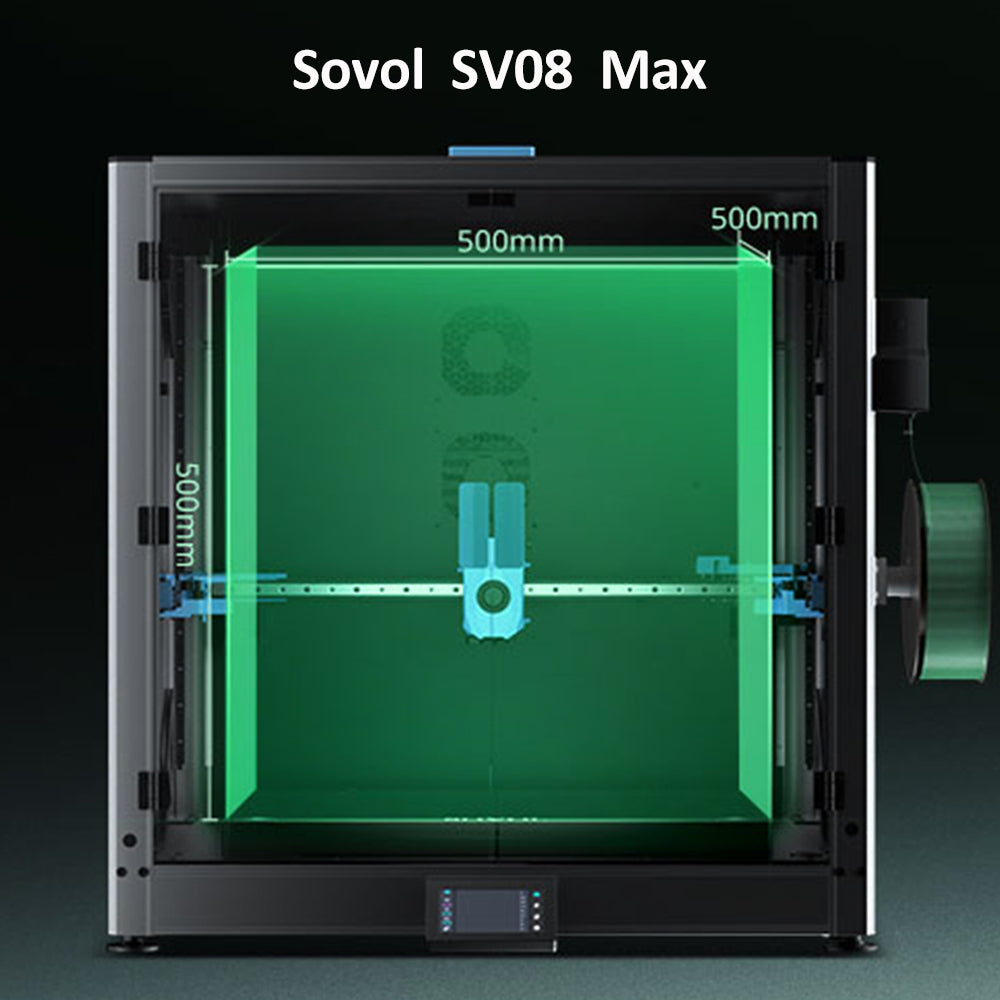
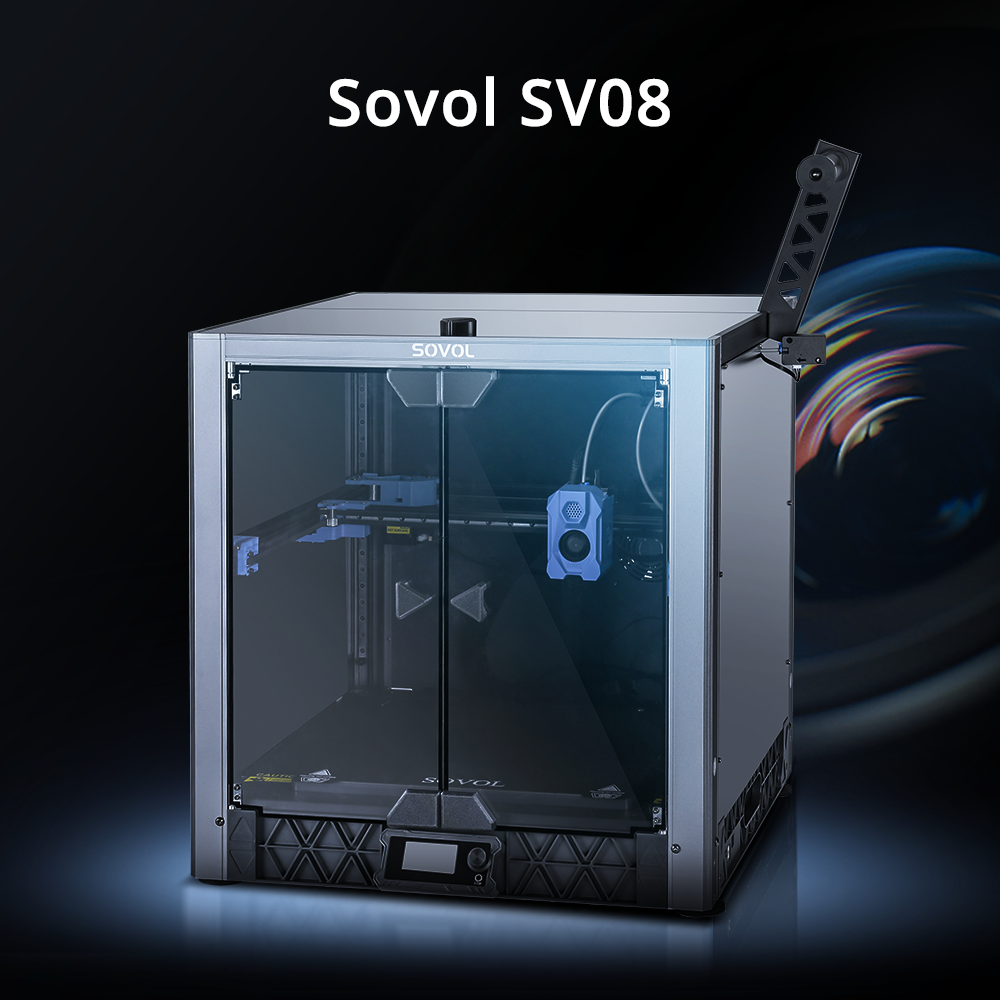
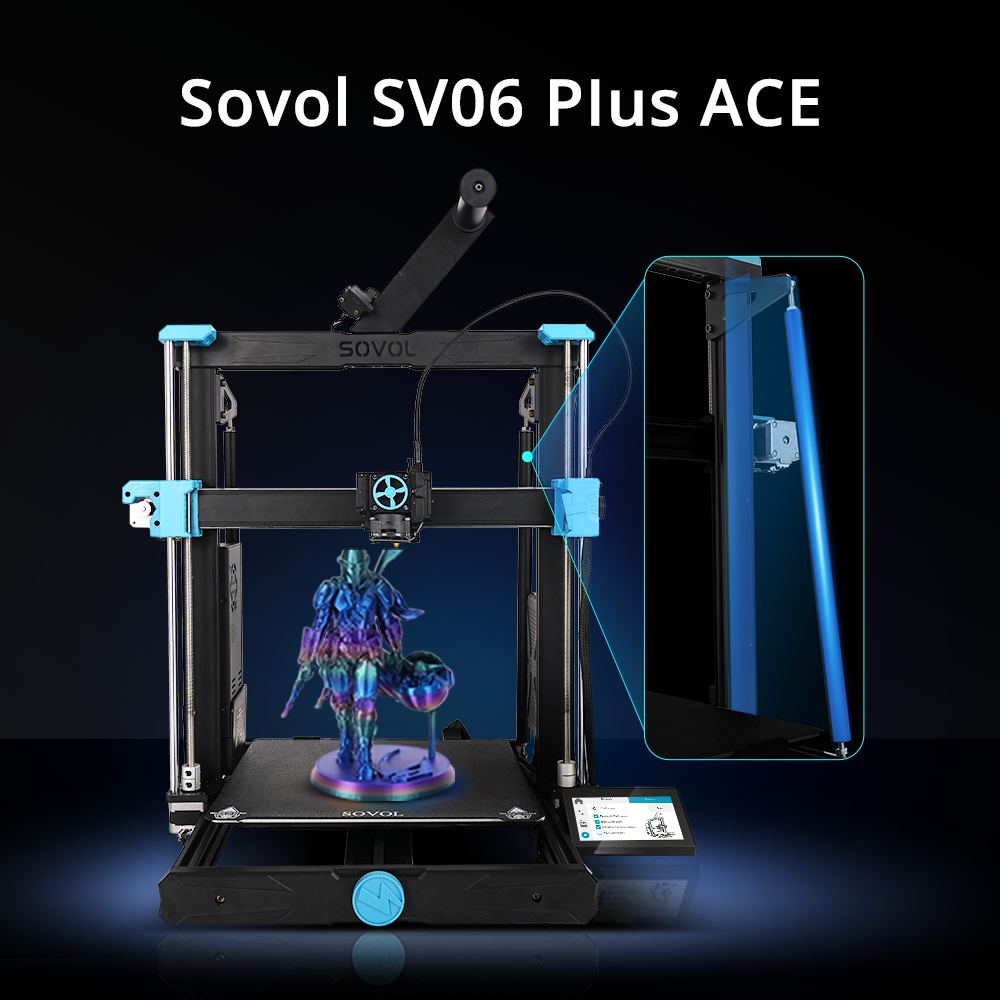
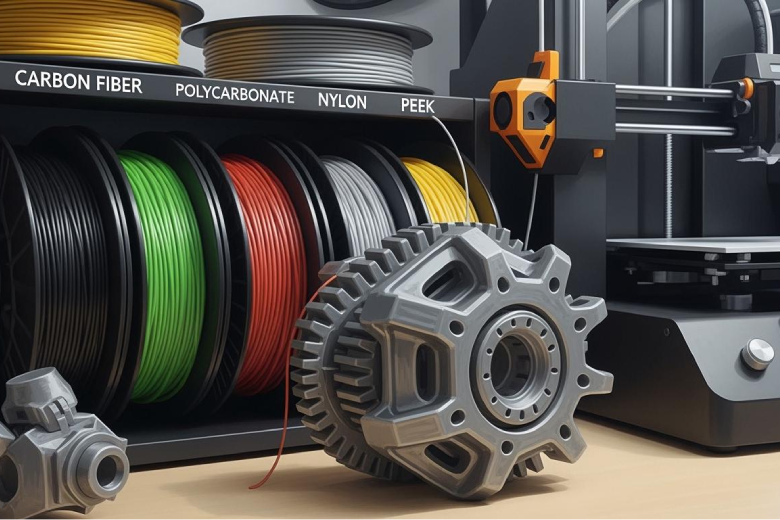
Les filaments les plus résistants pour l'impression 3D comprennent le PEEK, le polycarbonate, le PPA-CF, le nylon et les composites de fibres de carbone. Ces matériaux offrent une excellente durabilité et des performances élevées pour les projets exigeants. De nombreux secteurs industriels font appel à ces filaments ultra-résistants pour la fabrication de pièces soumises à des contraintes, à la chaleur ou à des produits chimiques. Le tableau ci-dessous montre comment différents filaments se comparent en fonction de leurs propriétés clés et de leurs applications courantes.
| Type de filament | Clé | Applications |
|---|---|---|
| PETG | Bonne ténacité, résistance chimique, bonne adhérence des couches | Pièces mécaniques, dispositifs de fixation, prototypes |
| PC | Haute résistance, résistance à la température, résistance aux chocs | Pièces finales, pièces de coque, dispositifs de fixation |
| Ultra PA | Haute résistance à l'usure, robustesse, bonne résistance à la chaleur | Diverses applications d'impression 3D |
| Ultra PA-CF | Haute résistance, faible absorption d'humidité, excellente résistance chimique | Applications mécaniques avancées |
| PEEK | Performances à haute température, résistance mécanique, résistance chimique | industries aérospatiale, médicale et pétrolière |
Choisir le filament le plus résistant permet de garantir que les pièces imprimées durent plus longtemps et fonctionnent mieux dans des environnements difficiles.
Points clés à retenir
- Le PEEK, le polycarbonate et les composites de fibres de carbone figurent parmi les filaments d'impression 3D les plus résistants.
- Les résistances à la traction, à la flexion et à la compression sont des facteurs clés dans le choix d'un filament.
- Les filaments résistants sont idéaux pour les pièces soumises à des contraintes, à la chaleur ou à des produits chimiques.
Pro Le stockage et la manipulation des filaments garantissent leur résistance et leur durabilité.- Les filaments haute résistance nécessitent souvent des imprimantes spécialisées pour obtenir des résultats optimaux.
Définition de la résistance des filaments
Types de résistance : traction, flexion, compression
La résistance d'un filament décrit sa capacité à supporter différentes forces. Trois types de résistance sont particulièrement importants en impression 3D : la résistance à la traction, la résistance à la flexion et la résistance à la compression. Chaque type mesure une manière différente dont un matériau peut résister à la rupture ou à la déformation.
Le tableau ci-dessous explique ces types de force et leurs unités de mesure :
| Type de force | Définition | Unités de mesure |
|---|---|---|
| Résistance à la traction | Capacité à résister aux forces de traction. | PSI (livres par pouce carré), MPa (mégapascals) |
| Résistance à la flexion | Capacité à résister à la déformation sous l'effet des forces de flexion. | PSI, MPa |
| Résistance à la compression | Capacité à résister aux forces de compression sans s'effondrer. | PSI, MPa |
La résistance à la traction indique la force de traction maximale qu'un filament peut supporter avant de se rompre. La résistance à la flexion mesure la capacité d'un matériau à résister à la flexion. La résistance à la compression indique la force de compression maximale qu'un filament peut supporter avant de s'écraser.Par exemple, les composites en fibre de carbone et le polycarbonate présentent une résistance à la traction élevée, ce qui les rend idéaux pour les pièces devant résister à l'étirement. Le polycarbonate se distingue également par sa résistance à la flexion, le rendant ainsi adapté aux pièces qui ne doivent pas se plier facilement. Le nylon et le polycarbonate présentent tous deux une forte résistance à la compression, ce qui les rend appropriés pour les pièces devant résister à l'écrasement.
Pourquoi la résistance est importante en impression 3D
La résistance est un facteur clé dans le choix du filament adapté à un projet. Lors de la conception d'une pièce, les ingénieurs analysent les forces auxquelles elle sera soumise. Si une pièce doit supporter un poids ou résister à l'étirement, une résistance élevée à la traction est essentielle. Pour les pièces ne devant pas se plier, la résistance à la flexion est cruciale. Si une pièce est soumise à une compression ou à un pressage, c'est la résistance à la compression qui compte le plus.
Le tableau ci-dessous indique comment chaque type de résistance correspond aux matériaux appropriés:
| Type de force | Description | Matériaux appropriés |
|---|---|---|
| Résistance à la traction | Capacité à résister aux forces de traction | Composites en fibre de carbone, polycarbonate |
| Résistance à la flexion | Résistance aux forces de flexion | Polycarbonate |
| Résistance à la compression | Capacité à résister aux forces de compression | Nylon, polycarbonate |
En comprenant la résistance à la traction, à la flexion et à la compression, les concepteurs peuvent choisir le filament le mieux adapté à leurs besoins. Ces connaissances permettent de créer des pièces imprimées en 3D plus durables et plus performantes en conditions réelles.
Types de filaments pour imprimantes 3D les plus résistants
La recherche du filament le plus résistant pour l'impression 3D a permis de développer une poignée de matériaux de pointe. Ces matériaux de qualité technique offrent un mélange de haute résistance et de haute résistance. résistance à la traction, Résistance aux chocs, aux produits chimiques et aux températures extrêmes : parmi les filaments pour imprimantes 3D les plus résistants, on trouve le PEEK, le PPA-CF, le polycarbonate, le nylon et les filaments renforcés de fibres de carbone. Chaque matériau offre des avantages spécifiques pour les applications exigeantes.
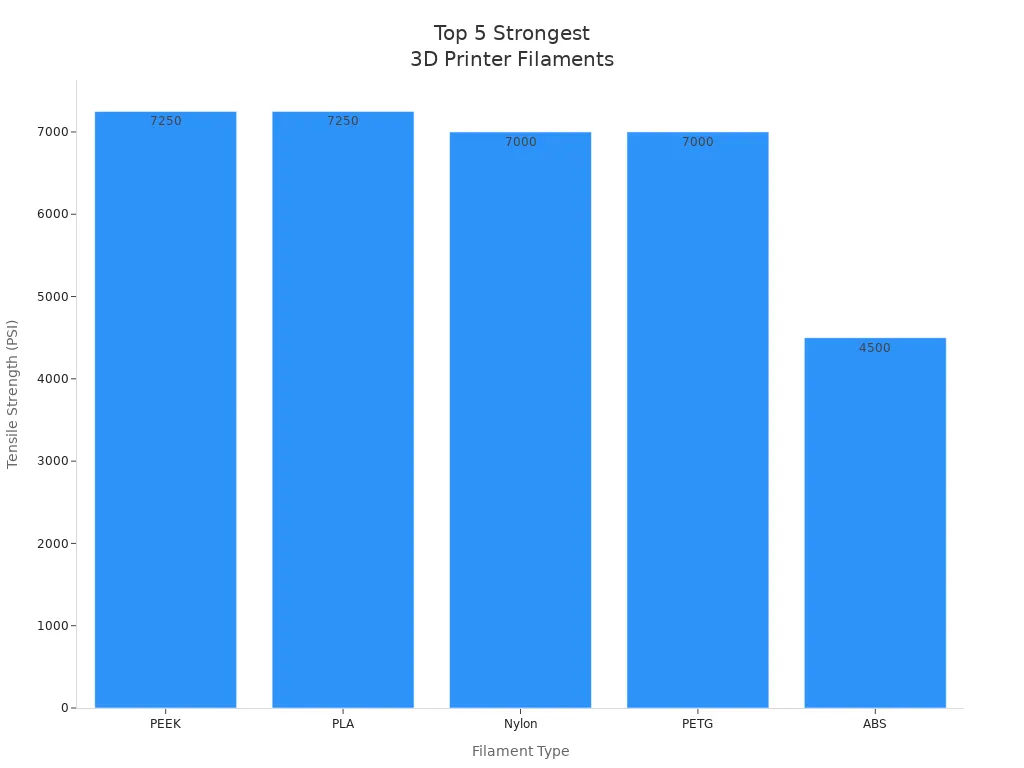
Vous trouverez ci-dessous une comparaison des cinq filaments les plus résistants disponibles sur le marché, basée sur leur résistance à la traction et leurs principales caractéristiques :
| Filament | Résistance à la traction (PSI) | Caractéristiques clés |
|---|---|---|
| PEEK | 7 250 | Haute résistance à la chaleur, résistance chimique |
| Nylon | 7 000 | Excellente résistance à l'abrasion, durable |
| ABS | 4 500 | La robustesse, largement utilisée dans les pièces structurelles |
| PLA | 7 250 | Solide mais facile à imprimer |
| PETG | 7 000 | Propriétés équilibrées, durable et résistant à la chaleur |
PEEK et PPA-CF
Le PEEK se distingue comme l'un des filaments les plus résistants pour l'impression 3D. Ce polymère haute performance offre une résistance élevée à la traction, à la flexion et à la compression.Le PEEK résiste aux produits chimiques, aux UV et aux températures extrêmes, ce qui le rend idéal pour les industries aérospatiale, automobile et médicale. Le PPA-CF, un composite de fibres de carbone, renforce ces atouts en offrant une rigidité et une résistance aux chocs encore plus importantes. Ces deux matériaux présentent une excellente résistance chimique et conservent leurs propriétés sous contrainte.
| | Description |
|---|---|
| 48 % plus résistant que le PA6-CF traditionnel. | |
| Haute rigidité | 102 % plus rigide que les matériaux traditionnels. |
| Haute ténacité | Bonne flexibilité avec un allongement élevé à la rupture. |
| haute résistance aux chocs | Peut résister à des forces d'impact importantes. |
| faible absorption d'humidité | Le taux d'absorption d'humidité à saturation n'est que de 1,30 %. |
| Bonne résistance chimique | Résistant aux acides faibles, aux bases faibles, à la plupart des solvants organiques, aux huiles et aux graisses. |
| Haute stabilité | Chimiquement stable dans des conditions normales de stockage et de manipulation. |
| Bonne adhérence au lit | Aucun lit spécial requis, bonne adhérence. |
| Faible déformation | Déformation minimale lors de l'impression, réduisant le besoin de supports. |
| Extrusion constante | Performances d'extrusion stables, fiabilité d'impression élevée. |
| Applications | Automobile, équipements sportifs, dispositifs médicaux. |
Le PEEK et le PPA-CF offrent une résistance à des températures supérieures à 260 °C et conservent leur précision dimensionnelle. Leur haute résistance aux chocs et aux produits chimiques en fait les filaments les plus robustes pour les pièces exposées à des environnements difficiles.
Polycarbonate (PC)
Le polycarbonate figure parmi les matériaux de filament pour imprimantes 3D les plus résistants grâce à sa haute résistance à la traction et à son excellente résistance aux chocs. Ce matériau de qualité technique offre également une résistance exceptionnelle aux températures élevées et aux UV. Les pièces en polycarbonate absorbent l'énergie des impacts sans se fissurer, ce qui les rend idéales pour les équipements de protection, les boîtiers de machines et les composants automobiles.
| Matériel | Résistance à la traction (MPa) |
|---|---|
| PLA | 50-60 |
| PETG | 40-50 |
| ABS | 34-36 |
| Nylon | 50-80 |
| Polycarbonate | 60-70 |
La haute résistance aux chocs et aux produits chimiques du polycarbonate lui permet d'être performant aussi bien en intérieur qu'en extérieur. Il résiste à la déformation sous charge, offrant une résistance élevée au cisaillement et à la déchirure.Les facteurs environnementaux tels que l'humidité et la température peuvent affecter ses performances ; par conséquent, le stockage et l'impression avec du filament sec garantissent une résistance maximale.
Conseil: Toujours sécher le filament de polycarbonate avant l'impression pour obtenir les meilleures propriétés mécaniques et réduire la déformation.
Nylon et fibre de carbone
Le nylon est un matériau technique polyvalent, reconnu pour sa haute résistance à la traction, à la déchirure et aux chocs. Il offre une excellente résistance à l'abrasion et aux produits chimiques, ce qui en fait un choix privilégié pour les engrenages, les bagues et les prototypes fonctionnels. Le nylon présente également une bonne résistance aux UV et aux variations de température, ce qui étend son utilisation aux environnements extérieurs et industriels.
Les filaments renforcés de fibres de carbone associent une matrice polymère, comme le nylon ou le polycarbonate, à des fibres de carbone finement coupées. Ce mélange donne un filament doté de rigidité accrue, Haute résistance au cisaillement et poids réduit. Les filaments renforcés de fibres de carbone offrent une résistance élevée aux chocs et à la flexion, permettant aux pièces de conserver leur rigidité sous charge. Ces propriétés les rendent idéaux pour les applications aérospatiales, automobiles et robotiques.
Avantages :
- Solide et léger, avec un rapport résistance/poids élevé.
- Résistance aux hautes températures et aux UV.
- Rigidité et résistance aux chocs élevées.
- Excellente résistance chimique.
Inconvénients :
- Coût plus élevé que les filaments standard.
- Sa fragilité peut entraîner un bris en cas de choc extrême.
Les filaments renforcés de fibres de carbone comblent le fossé entre les matériaux d'ingénierie traditionnels et les polymères haute performance. Ils permettent la fabrication de pièces structurelles dont la résistance rivalise avec celle des métaux, tout en étant beaucoup plus légères.
Autres options à haute résistance
Plusieurs polymères et composites haute performance émergents élargissent les possibilités offertes par l'impression 3D de pièces robustes. Le PEKK, proche parent du PEEK, présente des températures de déformation sous charge et une résistance chimique encore plus élevées. Les polymères ignifuges et les composites thermoplastiques sont désormais couramment utilisés dans les secteurs de l'aérospatiale et de l'automobile, garantissant à la fois sécurité et réduction du poids.
Les composites à matrice polymère, souvent renforcés par des fibres de carbone continues, offrent une résistance et une solidité exceptionnelles. Ces matériaux permettent un prototypage rapide et la production de supports, de fixations et de composants intérieurs sur mesure. Les polymères biosourcés gagnent également en popularité en tant qu'alternatives durables, offrant une résistance aux UV et aux produits chimiques tout en réduisant l'impact environnemental.
Parmi les innovations récentes figurent les filaments imprégnés de graphène, qui doublent la résistance des matériaux traditionnels et augmentent la résistance aux chocs jusqu'à 500 %. Ces avancées permettent d'imprimer des pièces plus légères, plus résistantes et plus durables pour des applications exigeantes.
Note: Les filaments résistants, comme les filaments renforcés de fibres de carbone, peuvent égaler les propriétés mécaniques des métaux et des plastiques techniques, mais ils nécessitent une manipulation soigneuse et des paramètres d'impression optimisés pour obtenir les meilleurs résultats.
Test de résistance des filaments
Résistance à la flexion et résistance à la compression
Les ingénieurs évaluent les performances des filaments d'imprimantes 3D en examinant leur résistance à la flexion et à la compression. La résistance à la flexion indique la capacité d'un matériau à résister à la déformation sous l'effet d'une force. Cette propriété est essentielle pour les pièces qui ne doivent pas se déformer sous charge, comme les supports ou les leviers. La résistance à la compression mesure la pression maximale qu'un matériau peut supporter avant de s'effondrer.Cette valeur est importante pour les pièces qui supportent un poids ou qui sont soumises à des forces de compression.
La résistance au cisaillement et la résistance à la déchirure sont également des facteurs importants pour évaluer la durabilité des filaments. La résistance au cisaillement décrit la façon dont un matériau résiste aux forces qui tendent à séparer ses couches. La résistance à la déchirure indique sa résistance à la rupture ou au fendillement sous contrainte. La résistance à la fatigue révèle sa capacité à supporter des cycles répétés de chargement et de déchargement. Une résistance à la fatigue élevée signifie qu'une pièce peut durer plus longtemps en cas d'utilisation continue.
Lors des tests de filaments résistants, les modes de défaillance courants incluent fragilité, obstruction, et les pannes mécaniques comme décollement des fibres ou des fissures dans la matrice. Ces problèmes peuvent réduire la résistance à la flexion, la résistance à la compression et les performances globales. Méthodes de post-traitement Des traitements tels que le recuit peuvent améliorer la résistance à la traction, la résistance au cisaillement et la résistance à la déchirure en éliminant les contraintes internes et en augmentant la stabilité thermique.
Méthodes et normes d'essai
Les laboratoires utilisent plusieurs méthodes pour tester la résistance des filaments d'imprimantes 3D. Le tableau ci-dessous récapitule les approches les plus courantes et leurs résultats :
| Méthode d'essai | Description | Résumé des résultats |
|---|---|---|
| Tests comparatifs | Cela implique de tester des pièces imprimées en 3D les unes par rapport aux autres dans des conditions contrôlées. | Les résultats ont montré des résistances variables selon les filaments, avec NylonX surpasse les autres de manière significative. |
| Essai de traction | Mesure la force nécessaire pour tirer quelque chose jusqu'à la rupture. | Le PLA a cassé en premier, tandis que le NylonX était plus de 100 % plus résistant que le PLA. |
| Essais de compression | Évalue la capacité du matériau à résister aux charges axiales. | Le polycarbonate présentait une résistance élevée mais était difficile à imprimer. |
| Essais de flexion | Évalue la capacité du matériau à résister à la déformation sous charge. | Le Taulman 645 s'est plié sans se rompre, ce qui indique une grande robustesse mais une faible rigidité. |
Les normes internationales contribuent à garantir des résultats fiables. Le tableau ci-dessous répertorie les principales normes relatives à la résistance à la traction et à la résistance à la flexion :
| Type de test | Norme ASTM | Norme ISO |
|---|---|---|
| Essai de traction | ISO 527-2:2012 | |
| Test de flexion | ASTM D790-10 | ISO 178:2019 |
Ces normes définissent les méthodes de mesure de la résistance à la traction, à la flexion, à la compression, au cisaillement, à la déchirure et à la fatigue. Leur application permet aux fabricants et aux utilisateurs de comparer les matériaux et de choisir le filament le mieux adapté à leurs besoins.
Choisir le filament le plus résistant
Appariement des applications
Le choix du filament le plus résistant pour l'impression 3D dépend des exigences spécifiques de chaque projet.Les utilisateurs doivent prendre en compte plusieurs facteurs avant de faire un choix :
- contrainte mécanique:
Pro Les objets qui impliquent des applications de support de charge ou qui nécessitent une résistance élevée aux chocs ont besoin de filaments aux propriétés mécaniques robustes. - Conditions environnementales : L’humidité, la température et l’exposition au soleil peuvent affecter la résistance et la durabilité des pièces mécaniques. Les filaments à haute résistance chimique et aux UV offrent de meilleures performances en environnements difficiles.
- Compatibilité imprimante : Toutes les imprimantes ne sont pas compatibles avec les filaments haute performance. Il est impératif de vérifier que votre imprimante supporte la température requise et dispose de la buse adaptée aux matériaux abrasifs.
- Coût et disponibilité : Les filaments haute performance comme le PEEK offrent une résistance et une robustesse optimales, mais sont plus chers. Pour des solutions économiques, le PLA renforcé de poudre de verre offre une résistance modérée et convient parfaitement à un usage quotidien.
- Volume d'impression et homogénéité des matériaux : l'achat de filament en gros garantit une qualité constante et réduit les coûts, ce qui est important pour les prototypes fonctionnels et les composants durables.
Le tableau ci-dessous récapitule les principaux avantages pour les utilisateurs :
| Avantage | Description |
|---|---|
| Les achats en gros permettent de réduire le coût par kilogramme et facilitent la budgétisation des grands projets. | |
| Cohérence matérielle | Des lots uniformes améliorent la qualité d'impression des prototypes fonctionnels et des pièces mécaniques. |
| Efficacité du flux de travail | Un approvisionnement adéquat évite les interruptions de production lors d'applications supportant des charges. |
Lors du choix des filaments en fonction des applications, il est essentiel de privilégier la résistance aux chocs, aux produits chimiques et aux UV pour les pièces extérieures ou industrielles. Pour les pièces mécaniques exigeant une résistance aux hautes températures, le PEEK et les composites en fibre de carbone offrent la meilleure durabilité. Le nylon et le polycarbonate excellent dans les prototypes fonctionnels et les applications porteuses grâce à leur résistance aux chocs et aux produits chimiques.
Conseils d'impression et de manipulation
L'impression avec des filaments à haute résistance nécessite une préparation et une manipulation minutieuses afin de préserver leurs propriétés mécaniques et de garantir des impressions réussies :
- Conservez les filaments dans des récipients hermétiques. Des sachets de gel de silice empêchent l'absorption d'humidité. L'humidité peut réduire la résistance aux chocs et aux produits chimiques, notamment pour le nylon et le PPA-CF.
- Conserver les filaments dans un endroit frais et sec entre 15°C et 25°C, à l'abri de la lumière directe du soleil, afin de préserver leur résistance aux UV et aux températures extrêmes.
- Utilisez un buse en acier trempé pour filaments abrasifs comme les composites en fibre de carbone. Cette mise à niveau protège l'imprimante et maintient la qualité d'impression des pièces mécaniques et des prototypes fonctionnels.
- Optez pour une tête d'impression entièrement métallique capable d'atteindre au moins 350 °C pour les filaments haute température comme le PEEK. Cela garantit une extrusion et une adhérence des couches optimales.
- Emploiez un lit chauffant et chambre fermée pour prévenir la déformation et améliorer la résistance aux chocs et la résistance chimique dans les applications de support de charge.
- Manipulez les filaments avec des mains propres ou des gants pour éviter toute contamination. Rembobinez et rangez correctement les filaments après utilisation afin de préserver leur forme et leurs performances.
- Pour de meilleurs résultats, utilisez des séchoirs à filament pour les matériaux sensibles à l'humidité.Cette pratique permet de préserver la résistance aux chocs et la résistance chimique nécessaires aux prototypes fonctionnels et aux pièces mécaniques.
Conseil: Un stockage inadéquat peut rendre les filaments cassants., Réduisez la résistance aux chocs et provoquez des défaillances dans les applications supportant des charges. Surveillez toujours l'humidité et utilisez des dessiccants pour une durabilité optimale.
En suivant ces instructions, les utilisateurs peuvent optimiser les performances des filaments résistants et produire des prototypes fonctionnels et des pièces mécaniques fiables et de haute qualité, présentant une excellente résistance aux chocs, aux produits chimiques, aux UV et aux températures.
Les filaments les plus résistants pour imprimantes 3D comprennent le PEEK, le polycarbonate, le PPA-CF, le nylon et les composites de fibres de carbone. Chaque matériau offre des avantages uniques en termes de durabilité et de performance. Il est important de comprendre les différents niveaux de résistance lors du choix d'un filament.
- Différents filaments offrent différents niveaux de résistance à la traction et résistance aux chocs.
- Le PLA convient aux débutants, mais il peut ne pas supporter les hautes températures ou les contraintes mécaniques aussi bien que l'ABS ou le PETG.
- La connaissance de ces différences permet de garantir que les modèles restent fonctionnels et durables.
Le choix du filament approprié dépend des besoins du projet et des capacités de l'imprimante. Les utilisateurs avancés peuvent explorer la section « … »Guide avancé des filaments« Des imprimantes 3D Original Prusa pour des comparaisons détaillées. L'article »Impression avec des filaments haute performance – Un guide pratique et des entreprises comme 3DXTech fournissent des informations et un soutien précieux pour l'impression haute résistance.
FAQ
Quel est le filament d'imprimante 3D le plus résistant disponible ?
Le PEEK est reconnu comme le filament d'imprimante 3D le plus résistant. Il offre une haute résistance à la traction, une excellente résistance à la chaleur et une durabilité chimique remarquable. De nombreux secteurs industriels utilisent le PEEK pour des applications exigeantes.
Une imprimante 3D de bureau classique peut-elle utiliser des filaments haute résistance ?
La plupart des filaments haute résistance, comme le PEEK ou les composites de fibres de carbone, nécessitent des imprimantes spécialisées. Ces imprimantes doivent atteindre des températures plus élevées et utiliser des buses renforcées. Les imprimantes de bureau standard ne peuvent généralement pas traiter ces matériaux.
Pourquoi les filaments résistants se déforment-ils ou se fissurent-ils parfois pendant l'impression ?
Les filaments résistants nécessitent souvent des températures élevées. Un refroidissement rapide ou un chauffage irrégulier peuvent provoquer des déformations ou des fissures. L'utilisation d'une enceinte fermée et d'un plateau chauffant permet de maintenir des conditions stables et de réduire ces problèmes.
Comment les utilisateurs doivent-ils stocker les filaments résistants pour impression 3D ?
Conservez les filaments dans des récipients hermétiques contenant du gel de silice. L'humidité peut fragiliser les filaments comme le nylon et le PPA-CF. Un stockage au sec préserve leur résistance et les maintient prêts à l'impression.
Quel filament est le mieux adapté aux pièces exposées aux intempéries ou aux UV ?
| Filament | Résistance aux UV | Utilisation extérieure |
|---|---|---|
| Polycarbonate | Haut | Oui |
| PETG | Modéré | Oui |
| PLA | Faible | Non |
Le polycarbonate et le PETG conviennent parfaitement aux pièces d'extérieur. Le PLA, quant à lui, ne résiste pas aux UV.

Laisser un commentaire
Ce site est protégé par hCaptcha, et la Politique de confidentialité et les Conditions de service de hCaptcha s’appliquent.