
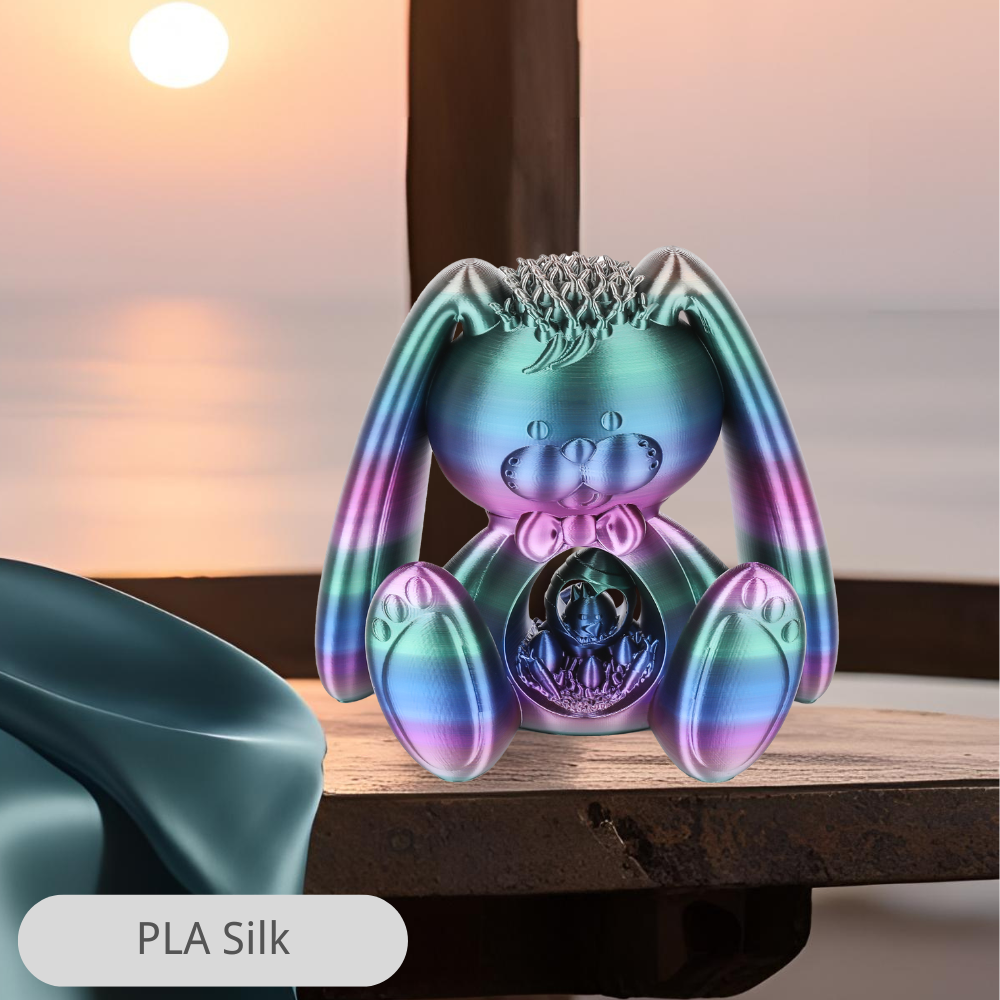
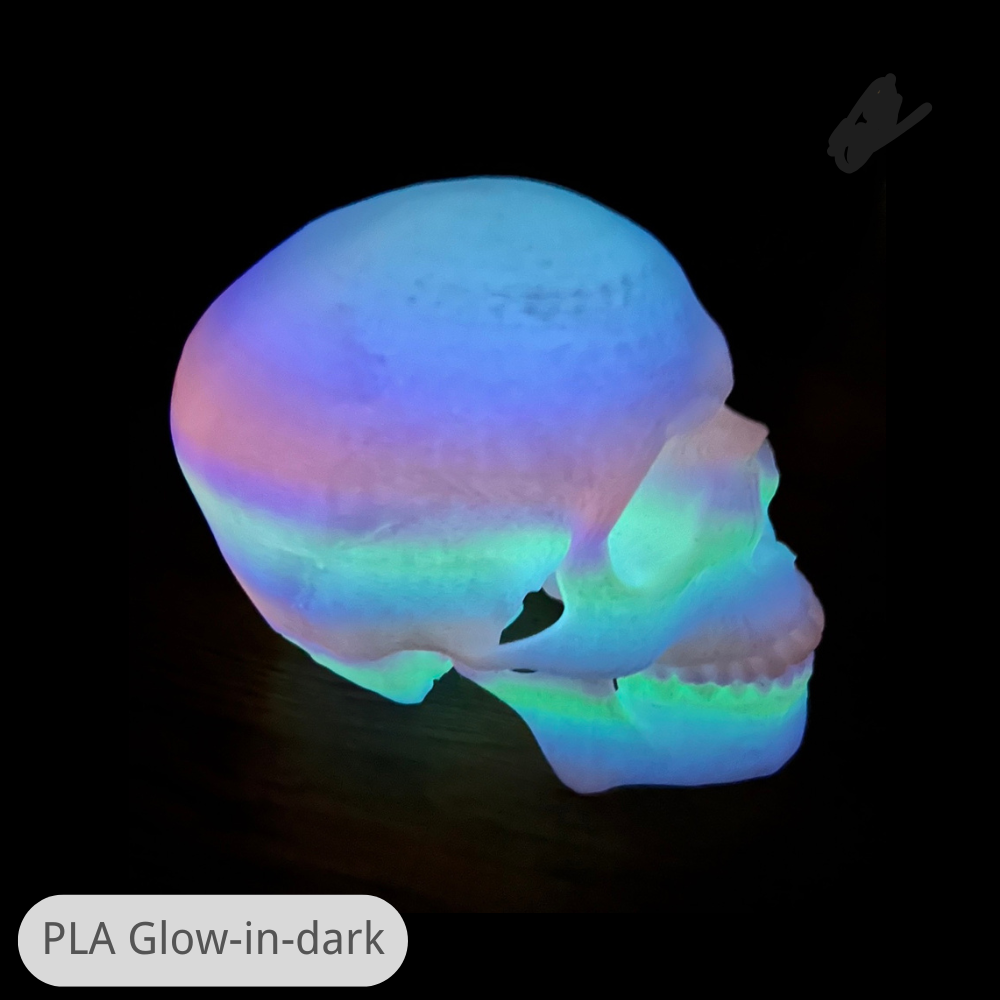

PLA stands out as the easiest material for 3D printing. This material offers forgiving properties, making it ideal for beginners. PLA comes from renewable resources and emits fewer harmful substances. It is affordable, safe, and available in many colors. The easiest material helps build confidence for new users.
|
Environmental Aspect |
Description |
|---|---|
|
Renewable Resources |
PLA uses renewable resources, unlike many other material types. |
|
Industrial Compostability |
PLA can be composted industrially, though facilities are sometimes limited. |
|
Emissions |
PLA emits fewer harmful substances than other material options. |
Key Takeaways
- PLA is the easiest material for 3D printing, making it perfect for beginners. Its forgiving properties allow users to experiment without ruining their projects.
- This material is environmentally friendly, made from renewable resources, and is biodegradable under industrial conditions, supporting sustainable practices.
- PLA offers a wide variety of colors and prints with high detail, making it ideal for creative projects and prototypes.
Why PLA Is the Easiest Material
Forgiving Printing Properties
PLA is known for its ease of use in 3D printing. Many beginners choose this material because it allows for mistakes without ruining the project. PLA is extremely forgiving, which means users can experiment with different settings and still achieve good results. The wide color selection makes it appealing for creative projects. PLA dominates the entry-level market, holding a 35-40% share. This popularity comes from its easy handling and reliable performance.
- PLA is made from renewable resources like corn starch.
- It is biodegradable, which supports sustainable practices.
- The pleasant smell during printing adds to the positive experience.
Research from the Universidad Europea de Madrid highlights that PLA can be mixed for sustainable applications. This flexibility shows that PLA is compatible with many printing scenarios. The ease of printability makes it a favorite among hobbyists and professionals.
Low Temperature and Minimal Warping
PLA requires lower printing temperatures compared to other materials. Most printers set the nozzle temperature between 180°C and 210°C. The bed temperature usually ranges from 50°C to 70°C. PLA does not need a heated bed, which simplifies the setup for beginners.
|
Property |
PLA (°C) |
ABS (°C) |
|---|---|---|
|
Melting Temperature |
210 - 240 |
|
|
Recommended Nozzle Temp |
180 - 210 |
215 - 250 |
|
Recommended Bed Temp |
50 - 70 |
100 - 125 |
|
Requires Heated Bed |
No |
Yes |
|
Material Properties |
Harder, more brittle |
Softer, more ductile |
PLA’s low tendency to warp means prints stay flat and accurate. This feature reduces the need for advanced skills or extra equipment. Many users find that PLA prints stick well to the bed and rarely curl at the edges. The ease of printability helps users focus on design rather than troubleshooting.
Odorless and Safe
PLA is considered safe for home and classroom environments. During printing, PLA emits a sweet smell that many describe as pleasant, similar to popcorn or waffles.
PLA filament is suitable for beginners. It melts at a lower temperature, is less prone to warping during printing, and smells like sweets!
Many find the sweet smell of PLA during the 3D printing process pleasant and reminiscent of popcorn or waffles. In contrast, ABS emits a plastic-like odor during printing that can cause nausea and headaches, necessitating adequate ventilation.
- PLA has a sweet smell that is often considered pleasant.
- ABS produces an unpleasant, plastic-like odor.
- Printing with PLA is safe in enclosed spaces, while ABS requires good ventilation.
Scientific studies show that PLA emits lactide, which poses no danger to humans. However, some emissions from PLA can include nanoparticles and additives. It is recommended to operate printers in well-ventilated areas to minimize exposure. PLA’s safety and odorless nature make it a preferred material for schools and homes.
PLA stands out for its ease of use, forgiving properties, and minimal setup requirements. The material’s environmental benefits and renewable sources add to its appeal. PLA offers a positive printing experience for beginners and experts alike.
PLA Benefits
Dimensional Accuracy
PLA 3d printing filament is known for its ability to create detailed prints. This material allows users to produce models with sharp edges and smooth surfaces. Many people choose pla for prototyping because it handles small features well. The user-friendly nature of this material helps beginners achieve high-quality prints.
- PLA 3d printing filament supports intricate designs.
- Prints show precise detail and a clean finish.
- Prototyping with pla is popular due to its accuracy.
Affordable and Accessible
PLA 3d printing filament is one of the most affordable materials for 3D printing. The starting price for 1 kg of pla is about $18, which is similar to ABS. Most standard rolls cost around $20. This low price makes pla a top choice for students and hobbyists. Stores and online shops offer a wide range of pla 3d printing filament, so it is easy to find.
Biodegradable and Renewable
PLA comes from renewable resources like corn starch. This material is biodegradable under industrial composting conditions. Studies show that pla breaks down best when exposed to controlled temperature, humidity, and microorganisms. The table below shows key findings about the biodegradability of pla 3d printing filament:
|
Study Source |
Key Finding |
|---|---|
|
3D Natives |
PLA can only be biologically degraded under industrial composting conditions. |
|
3D Grenzenlos |
PLA is best decomposed in industrial composting due to specific requirements. |
|
3D Druck Archiv |
PLA remains stable under normal conditions; biodegradability needs industry. |
Wide Color Variety
The selection of pla 3d printing filament is huge. Users can find many colors and special effects, such as Silk, Glow, and Marble. This variety lets people create unique prints for prototyping, art, or practical projects. The wide range of options makes pla a favorite material for concept models and prototypes.
Getting Started with PLA
Choosing PLA Filament
Selecting the right 3d printing filament is important for successful prints. PLA is the most popular material for beginners because it is easy to print and gives good results. When choosing a 3d printing filament, look for options with minimal shrinkage and high printability. PLA offers low processing temperatures, which means most printers can handle this material. It also provides excellent precision, making it suitable for detailed models. PLA does not usually need a heated bed and sticks well to cold surfaces. Always store your 3d printing filament in a dry place to prevent moisture absorption. PLA is safe for indoor use and does not produce toxic fumes.
|
Criteria |
Description |
|---|---|
|
Printability |
Easy to print, ideal for beginners |
|
Shrinkage |
Minimal, ensures good bed adhesion |
|
Processing Temperature |
Low, reduces printer demands |
|
Precision |
Suitable for ultra-thin layers |
|
Bed Requirements |
No heated bed needed |
|
Storage |
Keep dry to avoid moisture |
|
Safety |
No toxic fumes, safe for indoor printing |
Basic Printer Settings
Proper printer settings help you get the best results with PLA 3d printing filament. Set the nozzle temperature between 200°C and 210°C. For the heated bed, use 50°C to 60°C, but PLA can also print well on a cold bed. Start with a print speed of 50 mm/s. Use a slower speed for the first layer, around 20-30 mm/s, to improve adhesion. Set the layer height to 0.2 mm for a good balance between quality and speed. Turn the cooling fan to 100% after the first layer. Adjust retraction settings to prevent stringing: 4-6 mm for direct drive and 6-8 mm for Bowden extruders.
|
Parameter |
Recommended Value |
Notes |
|---|---|---|
|
Nozzle Temperature |
Adjust for print speed |
|
|
Heated Bed |
50-60°C (optional) |
Room temp possible with good adhesion |
|
Print Speed |
50 mm/s |
Beginners start here |
|
Layer Height |
0.2 mm |
Good quality and speed |
|
Fan Speed |
100% (after 1st) |
Improves surface finish |
|
Retraction Length |
4-8 mm |
Prevents stringing |
Troubleshooting Tips
Even with the best 3d printing filament, problems can occur. Warping and lifting often happen if the first layer cools too quickly. Slow the first layer speed and use a heated bed or glue stick for better adhesion. Stringing may result from high nozzle temperatures or poor retraction settings. Lower the temperature by 5-10°C and increase retraction length. Poor layer adhesion can be fixed by raising the nozzle temperature or drying the 3d printing filament. If the nozzle clogs, try a cold pull or clean it with a needle. Store PLA in a dry place to avoid moisture, which can cause print issues.
Tip: Always check your 3d printing filament for moisture before printing. Dry filament gives the best results with PLA material.
PLA Challenges and Solutions
Brittle Nature
PLA is a popular material for 3D printing, but it can be brittle. This property sometimes causes nozzle clogs, poor layer adhesion, and stringing during printing. Users may notice that the material breaks easily if bent or stressed. Several solutions help reduce these issues:
- Perform a cold pull by cooling the nozzle to 90°C and then pulling out the filament.
- Increase the nozzle temperature to 220°C and purge the material.
- Clean the nozzle with a needle or compressed air.
- Soak the nozzle in acetone or a cleaning solution.
- Use a filament filter before printing. For poor layer adhesion, try raising the nozzle temperature, lowering the fan speed for the first layers, increasing the flow rate, or drying the material before use. Reducing the layer height can also improve contact between layers.
Heat and Chemical Resistance
PLA has lower heat resistance than many other materials. Objects made from this material become soft at temperatures around 60°C. This limits the use of PLA in high-heat environments. PLA is resistant to acetone, which is often used for welding ABS, but it dissolves in dichloromethane and trichloromethane. The material’s brittleness and low melting point affect its performance in demanding conditions.
Note: PLA is not suitable for parts exposed to high temperatures or harsh chemicals.
Storage Tips
Proper storage keeps PLA material in good condition. Store the material in a dry, cool place to prevent moisture absorption. Use airtight containers or resealable bags with silica gel packs. Moisture can cause the material to become brittle and lead to poor print quality. Always check the filament before printing to ensure the material is dry and free from dust.
PLA vs. Other Materials
Choosing the right material is important for successful 3d printing projects. The ultimate 3d printing materials guide often starts with pla because it is easy to use and gives reliable results. Many beginners find pla to be the best option among 3d printing materials.
PLA vs. ABS
ABS 3d printing filament is known for its strength and durability. However, it is harder to print than pla.
- ABS has a melting temperature of 210 to 240°C, while pla melts at 160 to 190°C.
- ABS requires a heated bed, but pla does not need one.
- PLA is easier to print and suitable for beginners.
- ABS offers better mechanical properties but is more complex to print.
- PLA parts are shinier after printing, while ABS has a matte finish.
- ABS is easier to post-process and can be smoothed with acetone, unlike pla.
- PLA is commonly used for decorative items and toys.
- ABS is preferred for industrial applications where higher mechanical and thermal resistance is required.
- Beginners typically achieve better results with pla due to fewer printing issues.
- ABS is more prone to warping and requires more experience to print successfully.
PLA vs. PETG
PETG is another popular material in the ultimate 3d printing materials guide. It offers high strength and toughness. PLA is easier to print but can be brittle.
|
Property |
PETG |
PLA |
|---|---|---|
|
Strength |
High strength and toughness |
|
|
Processability |
Easy to process |
Easy, but prone to breakage |
|
Temperature resistance |
High |
Lower |
|
Warping |
Low warping tendency |
Higher warping tendency |
|
Environmental friendliness |
Recyclable |
Biodegradable |
PETG is good for parts that need durability. PLA is better for models and decorative items.
PLA vs. TPU
TPU is a flexible material used for special applications. PLA is easy to handle and has a low melting point, making it beginner-friendly.
- PLA emits low odors during printing, which is appealing for home users.
- PLA is made from renewable resources, making it environmentally friendly.
- PLA is available in a wide range of colors and finishes, ideal for decorative items.
- PLA is very easy to print and suitable for beginners.
- PLA has minimal warping during cooling.
- PLA is biodegradable and offers good detail accuracy and smooth surfaces.
- PLA is not heat-resistant and softens at around 60°C.
- PLA is brittle compared to other plastics and not ideal for mechanical parts.
- Beginners will find pla easy to handle and affordable.
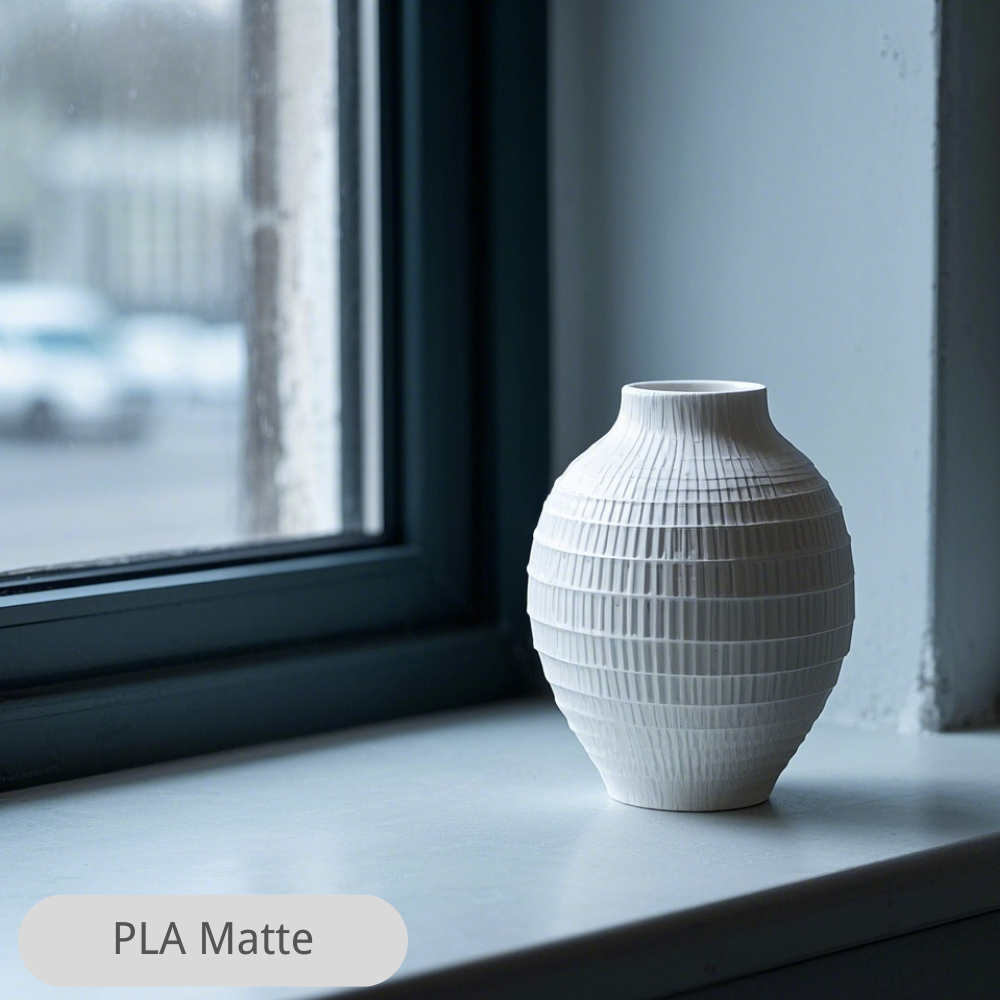
- PLA quickly produces aesthetically pleasing prints like vases or phone holders.
PLA stands out among 3d printing materials for its ease of use, safety, and environmental benefits. It is the most popular material for beginners and is recommended in every ultimate 3d printing materials guide.
PLA remains the easiest material for 3D printing. Many beginners praise PLA for its excellent print quality and minimal warping. Expert journals recommend PLA as a starter material. PLA offers a positive learning curve, allowing users to experiment and succeed quickly. Choose high-quality PLA, store it properly, and enjoy reliable results.
- PLA is ideal for learning and experimenting.
- PLA is environmentally friendly and cost-effective.
- PLA provides good surface quality and high strength.
- Select PLA from reputable manufacturers.
- Use essential tools for handling PLA material.
- Store PLA material in dry, cool places.
PLA is the best material for beginners. PLA helps build confidence and supports creativity.
FAQ
What makes PLA the best material for beginners?
PLA is easy to print. This material does not warp much. PLA works well with most printers. Beginners can use PLA to learn basic skills.
Can PLA material be used for outdoor projects?
PLA material is not ideal for outdoor use. Sunlight and heat can damage PLA. Choose another material for outdoor parts. PLA works best indoors.
How should I store PLA material to keep it in good condition?
Store PLA material in a dry place. Use airtight containers with silica gel. Moisture can weaken PLA. Always check the material before printing.
