

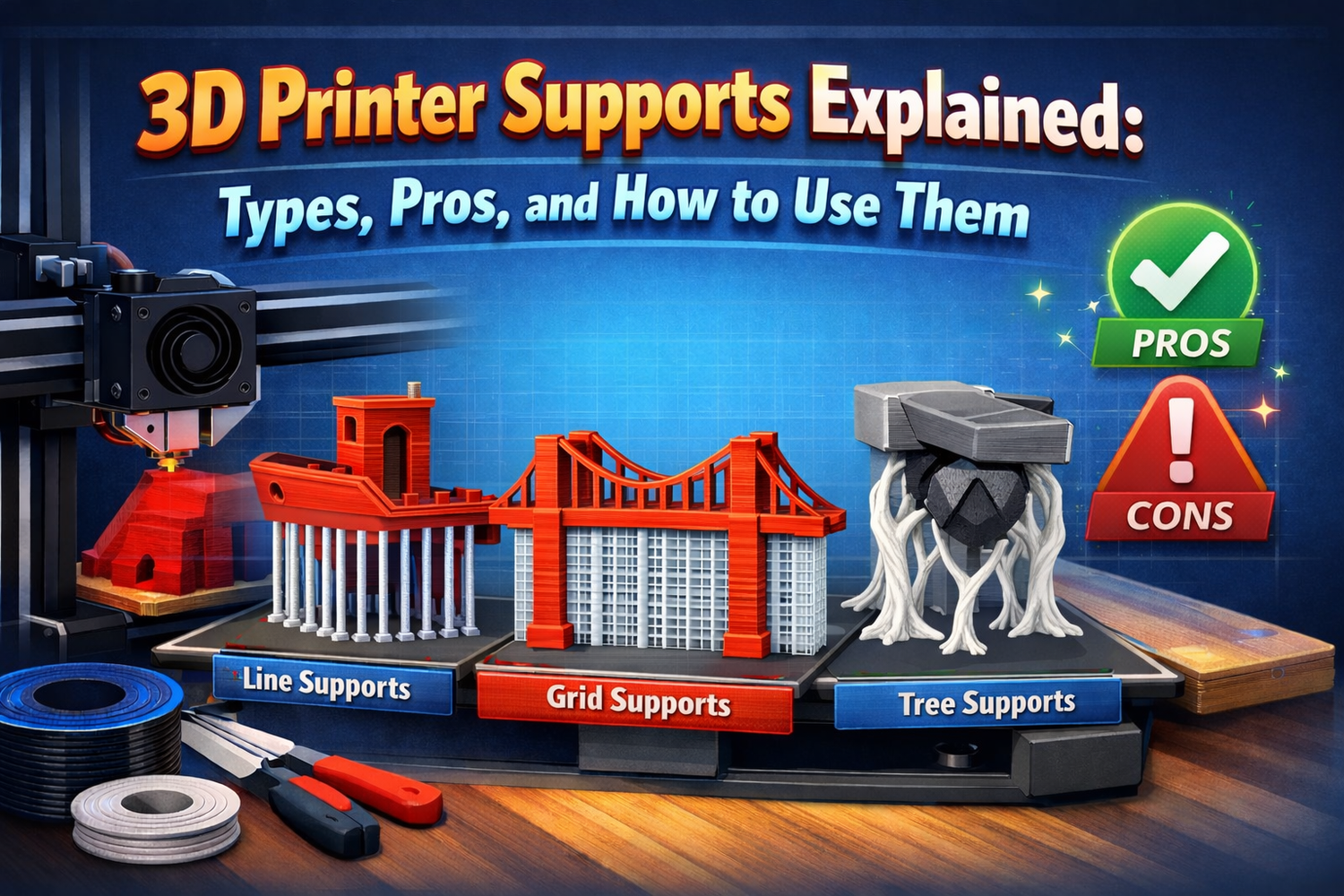
Stützstrukturen gehören zu den wichtigsten – und zugleich frustrierendsten – Werkzeugen im FDM-3D-Druck. Zu wenig Support führt zu durchhängenden Flächen. Zu viel Support verlängert die Druckzeit, verbraucht Material und kann sichtbare Spuren hinterlassen.
Dieser Guide erklärt die wichtigsten Support-Arten, sinnvolle Startwerte und eine einfache Entscheidung: Wann brauchst du Stützen, welche Struktur passt und wie entfernst du sie, ohne das Modell zu beschädigen?
Kurzentscheidung: Welche Stützstruktur solltest du wählen?
| Support-Typ | Am besten für | Stärke | Trade-off |
|---|---|---|---|
| Linien / Zigzag | Einfache, breite Überhänge | Schnell und leicht zu entfernen | Weniger stabil bei komplexen Formen |
| Grid | Große horizontale Flächen | Stabil und gleichmäßig | Mehr Material, oft schwerer zu lösen |
| Tree / Organic | Figuren und organische Modelle | Weniger Kontaktpunkte | Kann bei großen Lasten instabil werden |
| Snug / Konturfolgend | Technische Teile mit komplexer Unterseite | Passt sich der Geometrie an | Slicing und Druck können länger dauern |
| Manuell gesetzt | Modelle mit wenigen kritischen Stellen | Volle Kontrolle | Benötigt Erfahrung und Prüfung |
Wann braucht ein 3D-Druck Stützstrukturen?
Ein FDM-Drucker legt jede neue Schicht auf bereits vorhandenes Material. Bei Überhängen und Brücken fehlt diese Auflage teilweise oder vollständig. Ob Support nötig ist, hängt nicht nur vom Winkel ab, sondern auch von Schichthöhe, Kühlung, Material, Geschwindigkeit und Geometrie.
Die bekannte 45-Grad-Regel ist ein Startpunkt, kein Naturgesetz. Viele gut abgestimmte Drucker schaffen stärkere Überhänge. Lange, flache Unterseiten oder schwere Bereiche benötigen dagegen manchmal schon früher Unterstützung.
- Kurze Brücken: häufig ohne Support druckbar, wenn Kühlung und Flow stimmen.
- Große horizontale Unterseiten: meist mit Support oder durch eine andere Ausrichtung lösen.
- Runde und organische Formen: Tree- oder Organic-Support reduziert oft Kontaktspuren.
- Bohrungen und technische Passungen: Modellorientierung ist oft besser als dichter Support.
Support nur vom Druckbett oder überall?
„Nur auf dem Druckbett“ erzeugt Stützen, die direkt auf der Build Plate beginnen. Das spart Material und schützt sichtbare Oberflächen, erreicht aber keine Überhänge über anderen Modellbereichen.
„Überall“ darf Support auch auf bereits gedruckten Flächen starten. Das unterstützt komplexe Innenbereiche, kann dort aber Spuren hinterlassen. Nutze diese Option gezielt, nicht automatisch für jedes Modell.
Die wichtigsten Support-Einstellungen
| Einstellung | Sinnvoller Startpunkt | Wirkung |
|---|---|---|
| Overhang-Winkel | 50–55° | Niedriger Wert erzeugt mehr Support |
| Support-Dichte | 10–15 % | Mehr Dichte erhöht Stabilität und Materialverbrauch |
| Z-Abstand | etwa eine Schichthöhe | Zu klein verschweißt Support; zu groß verschlechtert Unterseiten |
| XY-Abstand | 0,3–0,6 mm | Schützt vertikale Außenflächen |
| Interface-Layer | 2–4 Schichten | Verbessert die gestützte Unterseite |
| Interface-Dichte | 50–80 % | Dichteres Interface trägt besser, haftet aber stärker |
Diese Werte sind Startpunkte für eine 0,4-mm-Düse. Material, Schichthöhe und Slicer verändern das Ergebnis. Teste kleine Ausschnitte, bevor du ein großes Modell startest.
Z-Abstand: der wichtigste Hebel für leicht lösbaren Support
Der vertikale Abstand zwischen Support und Modell entscheidet über zwei gegensätzliche Ziele: Die Unterseite soll ausreichend getragen werden, der Support darf aber nicht mit dem Modell verschmelzen.
Wenn die Stützen schwer abgehen, erhöhe den Z-Abstand in kleinen Schritten. Hängt die Unterseite sichtbar durch, reduziere ihn leicht oder ergänze dichtere Interface-Layer. Verändere nicht gleichzeitig Abstand, Temperatur und Flow – sonst weißt du nicht, welche Maßnahme geholfen hat.
Eine ausführliche Fehleranalyse findest du im Artikel Warum Supports manchmal schwerer sind als das Modell.
Tree Support oder klassischer Support?
Tree / Organic Support
Baumartige Stützen verzweigen sich und berühren das Modell nur an ausgewählten Stellen. Sie eignen sich gut für Figuren, Helme und geschwungene Oberflächen. Häufig benötigen sie weniger Material und lassen sich als zusammenhängende Struktur entfernen.
Klassischer Support
Linien-, Zigzag- oder Grid-Strukturen tragen große, flache Bereiche gleichmäßiger. Für technische Teile und breite horizontale Unterseiten sind sie oft zuverlässiger als einzelne Äste.
Die beste Lösung kann eine Kombination sein: klassische Stützen für schwere Flächen, gezielt gesetzte organische Stützen für kleine Details.
Modellorientierung schlägt oft mehr Support
Bevor du die Support-Dichte erhöhst, drehe das Modell im Slicer. Eine andere Ausrichtung kann kritische Überhänge reduzieren, sichtbare Kontaktstellen verlagern und gleichzeitig Material sparen.
Prüfe dabei vier Punkte:
- Welche Fläche soll später optisch sauber sein?
- In welcher Richtung muss das Teil mechanisch belastbar sein?
- Wo lassen sich Stützen mit Werkzeug erreichen?
- Bleibt genug Auflagefläche für sichere Betthaftung?
Support bei PLA, PETG und TPU
PLA lässt sich meist gut kühlen und ist deshalb relativ support-freundlich. PETG haftet stark an sich selbst; Support kann schneller mit dem Modell verschweißen. Nutze bei PETG häufig etwas mehr Z-Abstand und vermeide unnötig hohe Temperaturen.
TPU ist beim Entfernen von Support anspruchsvoll, weil Modell und Stützstruktur flexibel sind. Reduziere Support auf das Notwendige, nutze größere Abstände und optimiere die Ausrichtung. Grundlagen für flexible Materialien findest du im TPU Filament Guide.
Support sicher entfernen
- Lasse das Modell vollständig abkühlen.
- Entferne zuerst große, gut zugängliche Bereiche von Hand.
- Arbeite mit Seitenschneider oder Spitzzange von außen nach innen.
- Schütze Augen und Hände vor abspringenden Teilen.
- Hebele nicht gegen dünne Modellwände.
- Entferne kleine Kontaktpunkte mit Entgrater oder feinem Schleifwerkzeug.
Verwende scharfe Werkzeuge immer vom Körper weg. Bei filigranen Modellen ist Geduld billiger als ein abgebrochenes Detail.
Typische Support-Probleme und schnelle Lösungen
| Problem | Wahrscheinliche Ursache | Erster Test |
|---|---|---|
| Support verschmilzt | Z-Abstand zu klein, Temperatur oder Flow zu hoch | Z-Abstand leicht erhöhen |
| Unterseite hängt durch | Zu wenig Interface oder zu großer Abstand | 2–4 Interface-Layer aktivieren |
| Support kippt um | Zu schmal, zu schnell oder schlechte Betthaftung | Brim ergänzen und Geschwindigkeit reduzieren |
| Oberfläche voller Narben | Zu viele Kontaktpunkte | Tree Support oder Support-Blocker nutzen |
| Zu viel Druckzeit | Ungeeignete Ausrichtung oder niedriger Overhang-Winkel | Modell drehen und Support-Vorschau prüfen |
Ein zuverlässiger Support-Workflow
- Modell zuerst auf eine support-arme Ausrichtung prüfen.
- Support nur für tatsächlich kritische Flächen aktivieren.
- Struktur nach Geometrie wählen: Tree für organisch, Linien/Grid für flach.
- Z-Abstand und Interface mit einem kleinen Testteil kalibrieren.
- Support-Vorschau Schicht für Schicht kontrollieren.
- Erst danach den vollständigen Druck starten.
Fazit
Guter Support bedeutet nicht möglichst viel Stützmaterial, sondern gezielte Unterstützung an den richtigen Stellen. Modellorientierung, Z-Abstand und Interface sind meist wichtiger als eine hohe Support-Dichte.
Beginne mit konservativen Startwerten, prüfe die Vorschau und teste kritische Bereiche separat. So erhältst du sauberere Unterseiten, sparst Material und reduzierst das Risiko, beim Entfernen das fertige Modell zu beschädigen.
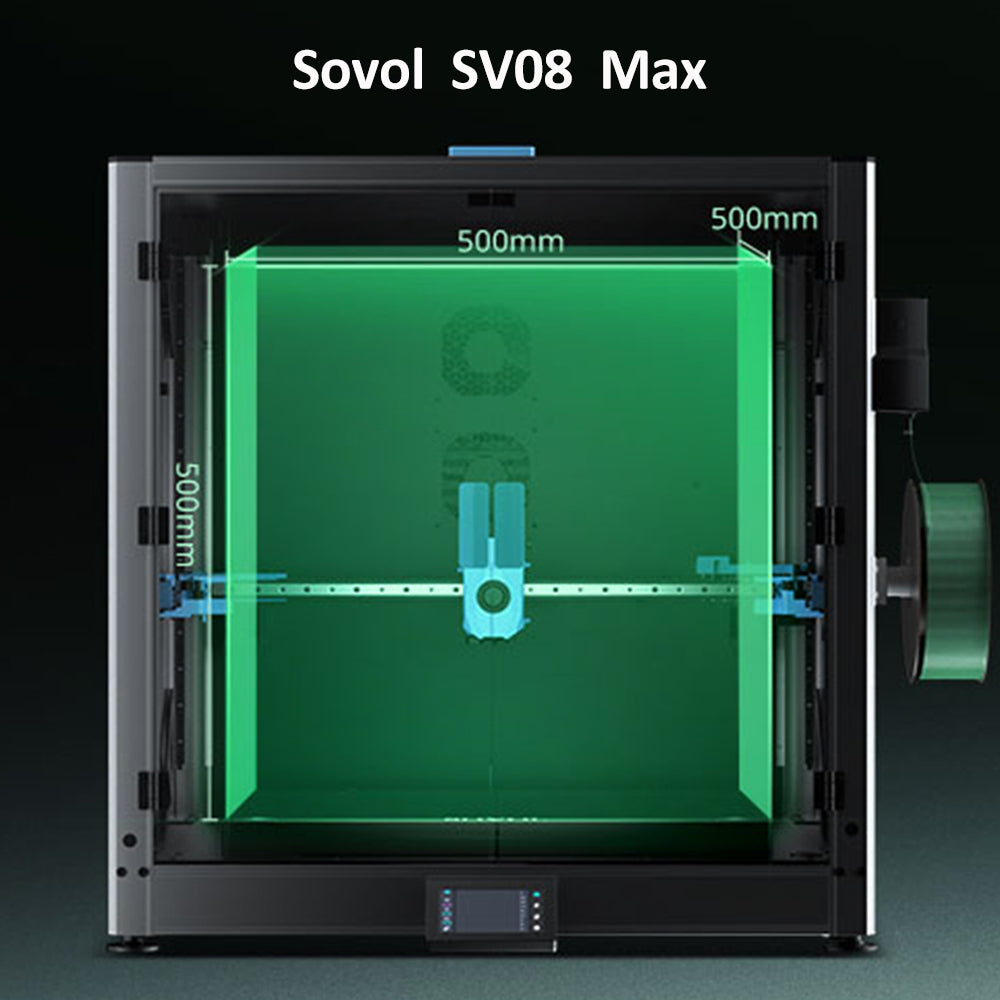
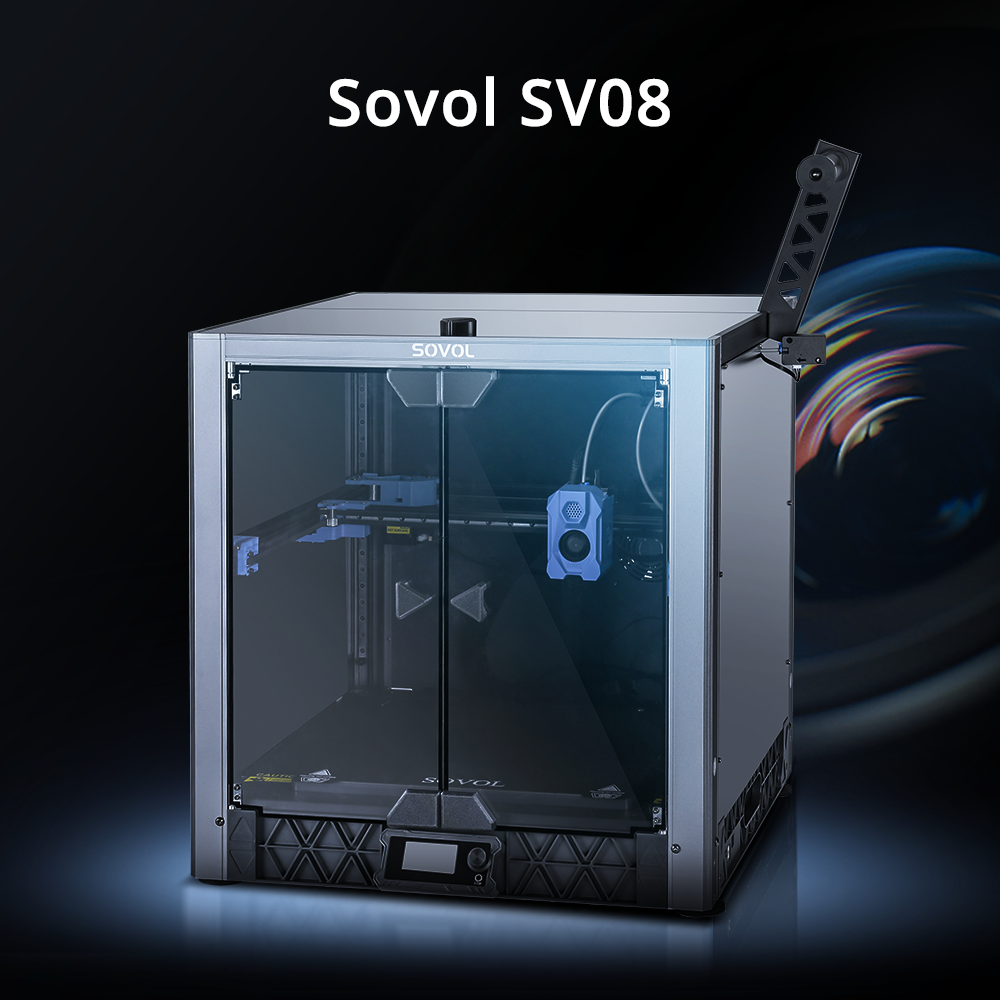
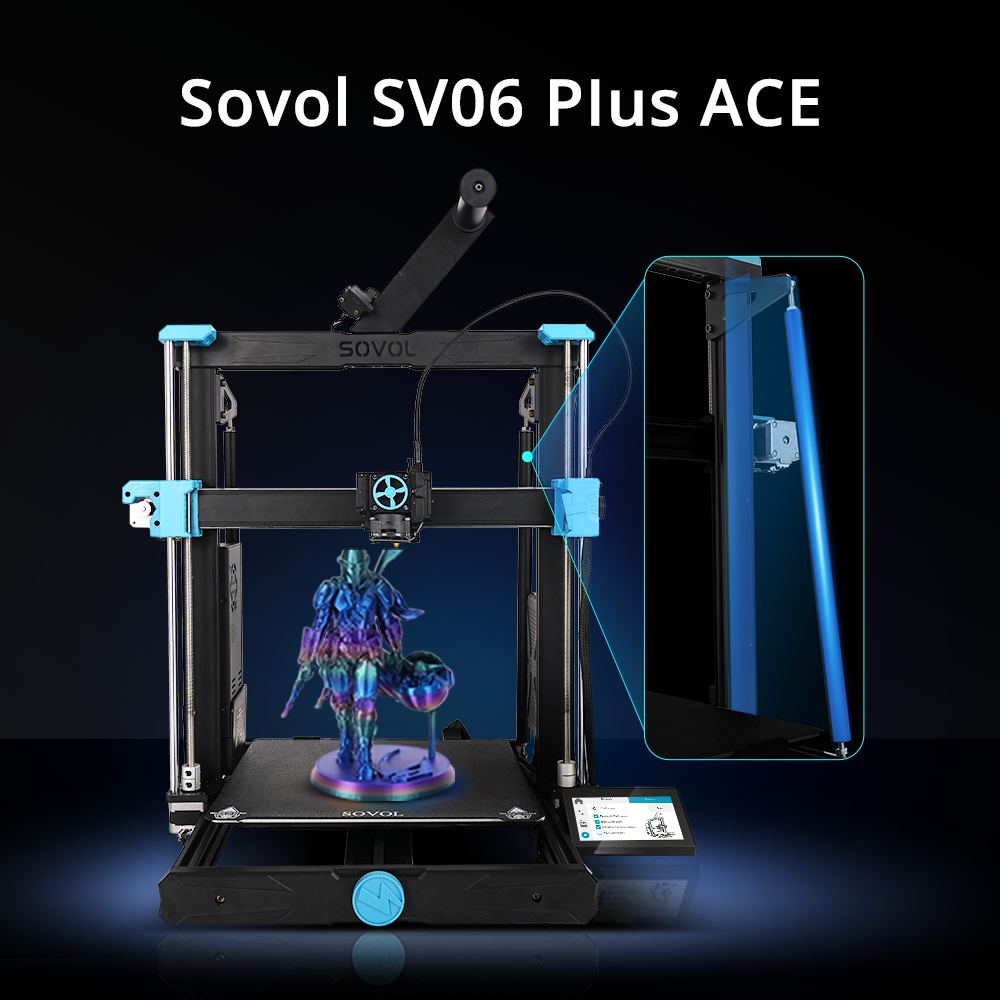
Mehr Bauraum für große Modelle und komplexe Geometrien
Entdecke Sovol 3D-Drucker für funktionale Bauteile, Cosplay-Projekte und großformatige Drucke.
