


Praktische Wege zur Wiederverwendung, zum Recycling oder zur verantwortungsvollen Entsorgung von 3D-Druckabfällen
Wer schon länger mit 3D-Druck arbeitet, kennt dieses Problem bereits:
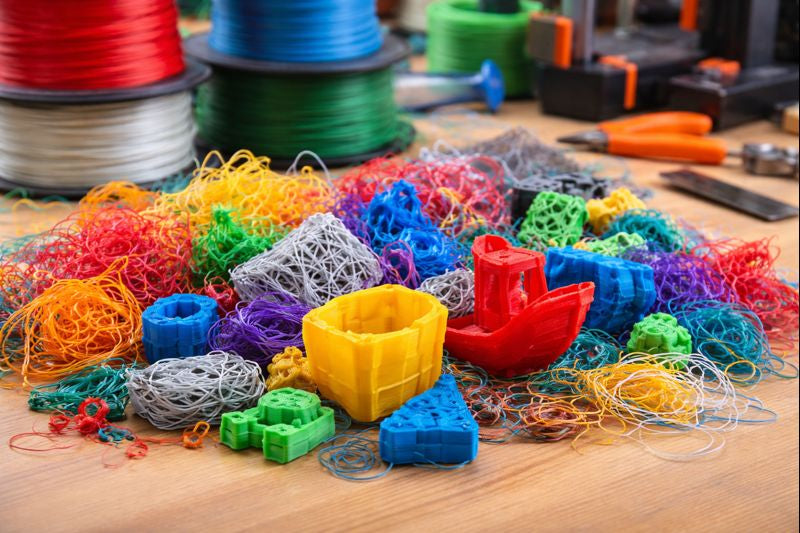
Fehlgeschlagene Ausdrucke.
Unterstützt.
Farbwechselnde Entlüftungsleitungen.
Sie häufen sich schnell an.
Zunächst denken die meisten Menschen:
„Ich behalte sie. Vielleicht kann ich sie später recyceln.“
Dann werden aus einer Kiste mehrere Kisten – und die Frage wird unausweichlich:
Was sollte man eigentlich mit 3D-Druckabfällen tun?
Dieser Artikel erklärt die realistischste, weitverbreitete und bewährte Methoden Hersteller verarbeiten heute Filamentreste – ohne Hype oder unrealistische Erwartungen.
Warum fehlgeschlagene 3D-Drucke so häufig sind
Bevor man über Lösungen spricht, ist es hilfreich, eine einfache Wahrheit zu akzeptieren:
Fehlgeschlagene Drucke gehören zum 3D-Druckprozess dazu.
Sie stammen aus:
- Testdrucke und Kalibrierung
- Stützkonstruktionen
- Farbreinigung bei Multimaterialdruckern
- Haftungsversagen
- Verformung oder Schichtverschiebungen
Auch erfahrene Nutzer produzieren Abfall. Der Unterschied liegt darin, dass… wie sie damit umgehen.
Die typische Entwicklung jedes 3D-Druck-Hobbyisten
Die meisten Nutzer durchlaufen die gleichen Phasen:
Phase 1: Alles retten
- „PLA ist biologisch abbaubar, richtig?“
- „Vielleicht recycel ich das irgendwann.“
- „Ich sortiere es einfach nach Material.“
Das erste Feld erscheint also.
Phase 2: Organisiertes Horten
- Eine Schachtel für PLA
- Eins für PETG
- Eins für ABS

Alles ist ordentlich beschriftet.
Es fühlt sich verantwortungsvoll an – aber tatsächlich wird noch nichts recycelt.
Phase 3: Realitätscheck
Irgendwann erkennen die meisten Menschen:
- Heim-Filament-Recyclingmaschinen sind teuer
- Die Ergebnisse sind uneinheitlich.
- Mischfarben verwandeln sich meist in ein trübes Braun oder Grün.
- Der Zeitaufwand ist höher als der Wert des Materials.
An diesem Punkt wählen die Nutzer unterschiedliche Wege.
Option 1: Entsorgung fehlgeschlagener Ausdrucke (Die gängigste Wahl)
Für viele Hobbyisten Das Wegwerfen misslungener Ausdrucke ist die realistischste Option..
Dies trifft insbesondere dann zu, wenn:
- Sie drucken gelegentlich
- Du betreibst keine Druckerei
- Sie legen mehr Wert auf Zeit als auf Experimente.
Abfall verantwortungsvoll zu entsorgen ist kein Versagen – es ist eine praktische Entscheidung, die auf der aktuellen Technologie basiert.
Option 2: Sortieren und Lagern für zukünftiges Recycling
Einige Nutzer tun dies weiterhin:
- Filamente nach Material sortieren
- Sauber und trocken lagern.
- Warten Sie auf bessere Recyclingmöglichkeiten
Dieser Ansatz ist sinnvoll, wenn:
- Sie haben Zugang zu einem Makerspace.
- Es gibt lokale Recyclingprogramme.
- Sie erwarten in Zukunft günstigere Filamentextruder.
Heute nicht zu recyceln bedeutet nicht, nie zu recyceln.Option 3: Fehlgeschlagene Drucke in neue Objekte umwandeln (Am lohnendsten)
Hier entfaltet die Kreativität ihr volles Potenzial.
Schmelzen von Filamentresten in Silikonformen
Viele Hersteller verwenden Abfälle wieder, indem sie diese in Formen einschmelzen:
- Heißluftpistolen
- Spezielle Toasteröfen (niemals Speiseöfen)
Zu den beliebten Artikeln gehören:
- Würfel
- Dekorative Totenköpfe
- Untersetzer
- Schreibtischaccessoires
- Kunstwerke

Mischfarben erzeugen oft:
- Marmoreffekte
- Einzigartige Texturen
- Einzigartige Designs
⚠️ Sicherheitshinweise:
- Arbeiten Sie stets in einem gut belüfteten Bereich.
- Benutzen Sie niemals Küchengeräte
- Starke Gerüche sind zu erwarten.
Option 4: Funktionale Wiederverwendung für Reparaturen und Montage
Kunststoffschweißen
Fehlgeschlagene Ausdrucke eignen sich hervorragend für:
- große Drucke zusammenschweißen
- Reparatur von gerissenen Teilen
- Verstärkung schwacher Bereiche
Alles, was Sie brauchen, ist:
- Ein Lötkolben
- Passende Filamentreste
Diese Methode wandelt Abfall in ... um praktische Workshop-Ressourcen.
ABS-Suspension (nur ABS)
ABS-Reste können in Aceton aufgelöst werden, um eine ABS-Suspension herzustellen, die für Folgendes verwendet wird:
- Verbindungsteile
- Füllschichtlinien
- Verstärkung der Nähte
Dies ist einer der wenigen Fälle, in denen Filamentabfälle zu einem nützliches Material, nicht nur Dekoration.
Option 5: Spenden und gemeinschaftliches Recycling
Einige übersehene, aber wertvolle Alternativen:
- Stoffreste an Schulen oder Kunstprogramme spenden
- Materialspenden an lokale Makerspaces
- Abfallentsorgung an Privatpersonen oder Kleinunternehmen mit Recycling-Rabatt
Pro Gramm- Manche 3D-Druck-Anwender geben ihre Filamentabfälle an Privatpersonen oder kleine Unternehmen weiter, die Recyclingprogramme mit Rabatt anbieten. Beispielsweise senden manche Nutzer ihre Reste an erikaprintsshop.wordpress.com. Typischerweise gilt für jeden 3 kg Filamentabfall Nach dem Absenden erhalten die Teilnehmer eine BOGO-Gutschein für 1 kg Recycling-Filament, Unterstützung von Recyclingprojekten im kleinen Maßstab und Umwandlung von Abfall in einen greifbaren Wert. Manchmal Ihr Abfall ist der Rohstoff für jemand anderen..
Was sich in der Regel nicht lohnt (laut den meisten Nutzern)
- Heim-Filament-Extrusionssysteme (hohe Kosten, geringe Konsistenz)
- Mischen verschiedener Filamenttypen
- Verwendung von Küchengeräten zum Schmelzen von Kunststoff
Fast jeder probiert das einmal aus – und macht dann selten weiter.
