
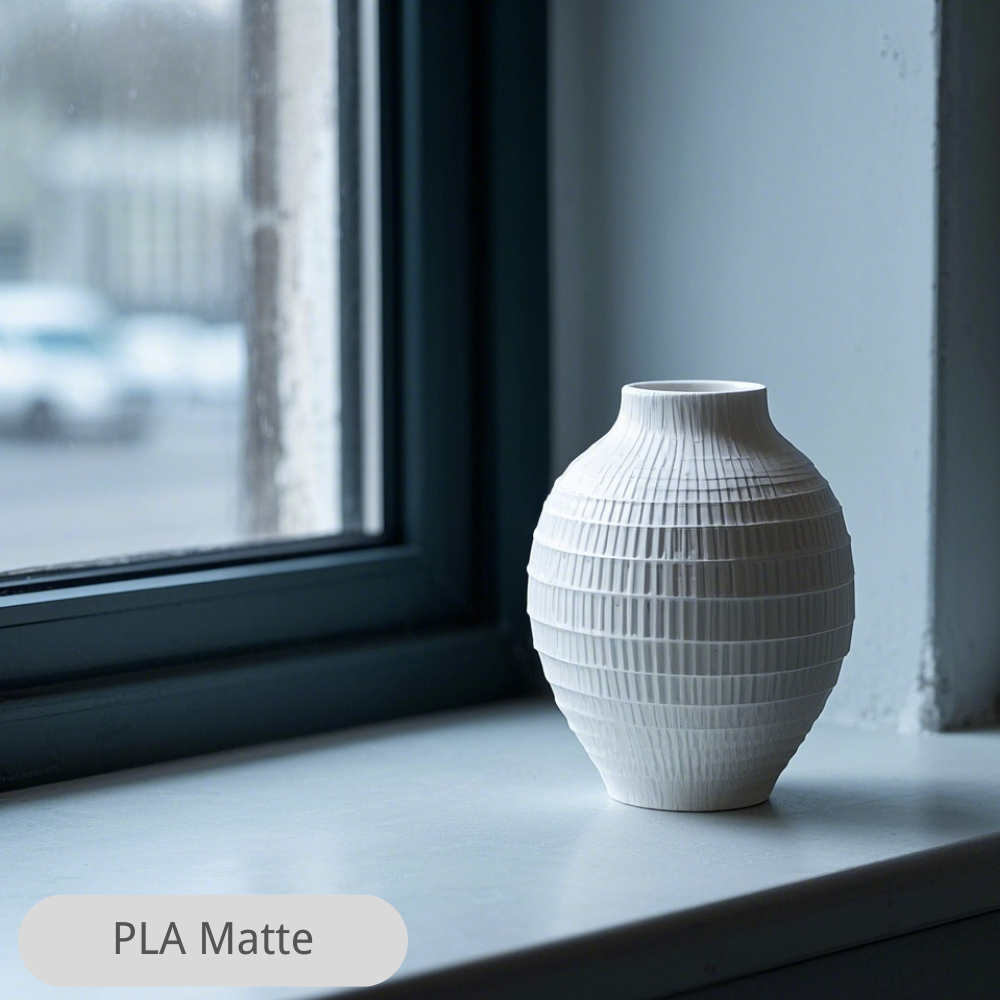

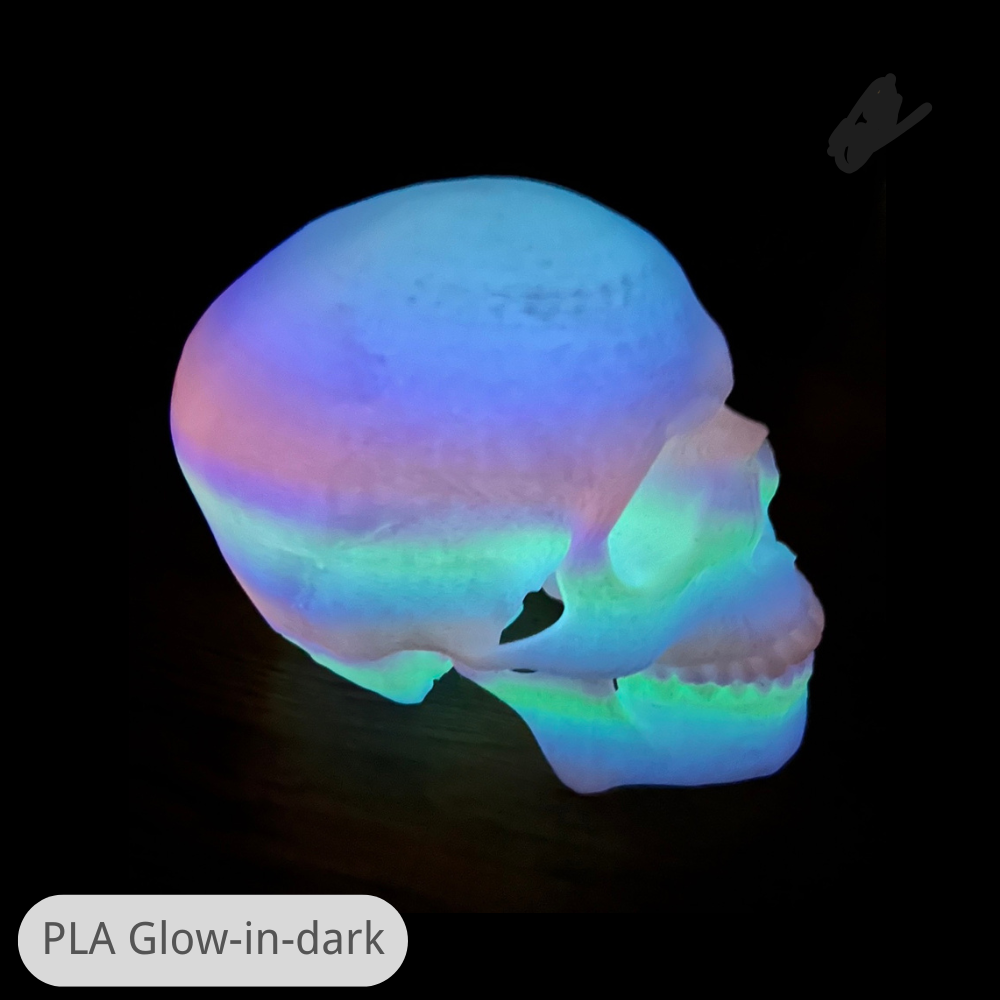

Ein 3D-Drucker erstellt Objekte, indem er sie Schicht für Schicht anhand digitaler Entwürfe aufbaut. Dieses Verfahren, der sogenannte 3D-Druck, ermöglicht es, Ideen zu Hause, in der Schule oder am Arbeitsplatz in reale Gegenstände umzusetzen. In den letzten fünf Jahren sind 3D-Drucker erschwinglicher geworden. Immer mehr Menschen entscheiden sich aufgrund dessen für den 3D-Druck. niedrigere Preise, Viele stellen fest, dass es die Herstellungskosten senkt. Heutzutage bieten selbst Einsteiger-3D-Drucker Funktionen wie automatische Bettnivellierung und intelligente Fehlererkennung. Diese Verbesserungen machen den 3D-Druck für Anfänger einfacher und zuverlässiger. Mit dem wachsenden Interesse am 3D-Druck entdecken immer mehr Nutzer kreative und praktische Projekte. Ein 3D-Drucker kann Ihnen helfen, Ihre Fantasie zum Leben zu erwecken und neue Fähigkeiten zu erlernen. Der Einstieg in den 3D-Druck eröffnet jedem Technikbegeisterten eine Welt voller Möglichkeiten.
Wichtigste Erkenntnisse
- Der 3D-Druck ermöglicht es, Objekte Schicht für Schicht aus digitalen Entwürfen zu erstellen und ist somit für Projekte zu Hause, in der Schule und im Beruf geeignet.
- Das Verständnis der verschiedenen Arten von 3D-Druckern, wie FDM und SLA, hilft Ihnen bei der Auswahl des richtigen Druckers für Ihre Bedürfnisse und Ihr Budget.
- Die Wahl des richtigen Materials, wie beispielsweise PLA oder ABS, ist entscheidend für die Erzielung der gewünschten Festigkeit, Flexibilität und Druckqualität.
- Regelmäßige Wartung und korrekte Einrichtung Ihres 3D-Druckers können häufige Probleme verhindern und die Druckergebnisse verbessern.
- Aus Fehlern zu lernen und bewährte Vorgehensweisen zu befolgen, kann Ihre 3D-Druckfähigkeiten verbessern und zu erfolgreichen Projekten führen.
Was ist ein 3D-Drucker?
Definition und Funktion
Ein 3D-Drucker ist eine Maschine, die dreidimensionale Objekte anhand digitaler Entwürfe erstellt. Er arbeitet, indem er Material Schicht für Schicht aufträgt – ein Verfahren, das als additive Fertigung bekannt ist. Diese Methode unterscheidet sich von der traditionellen Fertigung, bei der Material abgetragen wird, um ein Objekt zu formen. Die 3D-Drucktechnologie ermöglicht es Anwendern, Ideen schnell und detailgetreu in reale Objekte umzusetzen.
Es gibt mehrere Haupttypen von 3D-Druckern, die jeweils ein einzigartiges Verfahren zur Herstellung von Objekten verwenden. Die folgende Tabelle zeigt die gebräuchlichsten Methoden. verwendet im 3D-Druck:
| Kategorie | Beschreibung |
|---|---|
| Küpenphotopolymerisation | Nutzt Licht, um flüssiges Harz zu festen Teilen auszuhärten. |
| Materialstrahl | Trägt Materialtropfen auf, um Teile Schicht für Schicht aufzubauen. |
| Binder Jetting | Verwendet ein Bindemittel, um pulverförmige Materialien miteinander zu verbinden. |
| Pulverbettfusion | Verschmilzt pulverförmiges Material mithilfe einer Wärmequelle. |
| Materialextrusion | Drückt Material durch eine Düse, um Schichten zu erzeugen. |
| gerichtete Energiedeposition | Nutzt fokussierte Energie zum Schmelzen und Ablagern von Material. |
| Blattlaminierung | Verbindet Materialschichten miteinander, um ein dreidimensionales Objekt zu formen. |
Ein 3D-Drucker kann je nach Druckertyp und Projekt unterschiedliche Materialien wie Kunststoff, Harz oder Metall verarbeiten. Seine Hauptfunktion besteht darin, ein digitales Modell in ein physisches Objekt umzuwandeln. Dieser Prozess wird als 3D-Druck bezeichnet und findet in vielen Bereichen Anwendung.
Die 3D-Drucktechnologie bietet mehrere wichtige Vorteile:
- Geschwindigkeit und Effizienz:
Pro Prototypen können innerhalb weniger Stunden erstellt werden, was Designern hilft, Ideen schnell zu testen. - Kosteneinsparung: Durch den 3D-Druck entfällt die Notwendigkeit teurer Formen oder Werkzeuge.
- Gestaltungsflexibilität: Komplexe Formen und detaillierte Designs sind mit 3D-Druck möglich.
- Frühzeitige Problemerkennung: Designer können Probleme vor der vollständigen Produktion erkennen und beheben.
- Verbesserte Zusammenarbeit: Teams können 3D-gedruckte Modelle einfach teilen und überprüfen.
- Nachhaltigkeit: Beim 3D-Druck wird nur das benötigte Material verwendet, wodurch Abfall reduziert wird.
Unternehmen nutzen beispielsweise 3D-Drucker, um Prototypen für neue Produkte herzustellen. Geo Globe Poland nutzt 3D-Druck Zur Herstellung von Transportbehältern, die den Teiletransport während der Produktion erleichtern. Dies beschleunigt die Einrichtung neuer Montagelinien und trägt zu einem effizienteren Fabrikbetrieb bei.
Verwendungszwecke und Anwendungen
Der 3D-Druck findet in verschiedenen Branchen vielfältige Anwendung. Im Gesundheitswesen helfen 3D-Drucker bei der Herstellung personalisierter Implantate, chirurgischer Instrumente und Rehabilitationshilfen. Ärzte nutzen den 3D-Druck, um … künstliche Prothesen, Knochen- und Gelenkersatz, und maßgefertigte Herzklappen. Diese Implantate passen den Patienten besser und verbessern die Genesung.
Im Bildungsbereich unterstützt die 3D-Drucktechnologie Schülerinnen und Schüler beim Erlernen von Design, Ingenieurwesen und Naturwissenschaften. Lehrkräfte nutzen 3D-Drucker, um Modelle zu erstellen, die komplexe Konzepte veranschaulichen. Schülerinnen und Schüler können ihre eigenen Projekte drucken und so erleben, wie digitale Entwürfe zu realen Objekten werden.
Die Industrie nutzt 3D-Druck für schnelles Prototyping und die Fertigung. In der Automobil- und Luftfahrtindustrie helfen 3D-Drucker Unternehmen, Teile schneller und mit weniger Abfall herzustellen. Die folgende Tabelle zeigt einige Anwendungsbeispiele des 3D-Drucks in diesen Bereichen:
| Anwendung/Leistung | Beschreibung |
|---|---|
| Digitales Inventar | Speichert digitale Dateien für die bedarfsgerechte Produktion von Ersatzteilen. |
| Legacy-Teile | Stellt ältere Teile her, die nicht mehr erhältlich sind. |
| Sonderwerkzeuge | Stellt Spezialwerkzeuge für spezifische Aufgaben her. |
| Schnell | Beschleunigt Designänderungen und Tests. |
| Leichtbau | Reduziert das Gewicht der Bauteile, um Kraftstoff zu sparen und die Leistung zu verbessern. |
| Komplexe Geometrien | Erzeugt Formen, die mit anderen Methoden schwer herzustellen sind. |
| Massenanpassung | Ermöglicht individuelle Designs für jeden Kunden. |
Führende Automobilhersteller und Luft- und Raumfahrtunternehmen 3D-Druck wird für Prototypen, individuelle Werkzeugherstellung und die Fertigung von Leichtbauteilen eingesetzt. Motorsportteams nutzen ihn, um neue Designs schnell zu testen und für jedes Rennen maßgeschneiderte Teile herzustellen. Diese Technologie hilft Unternehmen, Produkte zu verbessern und schneller auf Kundenbedürfnisse zu reagieren.
Ein 3D-Drucker für Endverbraucher kann auch zu Hause für Hobbys, Reparaturen und kreative Projekte genutzt werden. Mit 3D-Druck lassen sich Spielzeug, Werkzeuge und sogar Ersatzteile für Haushaltsgegenstände herstellen. Die Anwendungsbereiche des 3D-Drucks nehmen stetig zu, da immer mehr Menschen die Vorteile dieser Technologie erkennen.
Tipp: 3D-Druck ist nicht nur etwas für Experten. Jeder kann mit einem einfachen 3D-Drucker und einer simplen Designsoftware damit beginnen.
Der 3D-Druck verändert die Art und Weise, wie Menschen Objekte entwerfen, herstellen und verwenden. Mit fortschreitender Entwicklung der 3D-Drucktechnologie wird ihr Einfluss auf alle Lebensbereiche weiter zunehmen.
Wie funktioniert 3D-Druck?
Drucken Pro Prozessschritte
3D-Druck ist ein additives Fertigungsverfahren, das digitale Designs in reale Objekte umsetzt. Dabei werden mit einem 3D-Drucker die Objekte Schicht für Schicht aufgebaut. Jeder Schritt ist wichtig für ein erfolgreiches Druckergebnis. Hier ist ein Aufschlüsselung der Standardschritte am 3D-Druck beteiligt:
- Entwerfen Sie das 3D-Modell
Die Reise beginnt mit der Erstellung eines digitalen Objekts mithilfe von CAD-Software. Das Modell muss wasserdicht und für den Druck richtig ausgerichtet sein. - Datei exportieren und vorbereiten
Das Design wird in einem 3D-druckbaren Format, wie z. B. STL, exportiert. Die Datei wird auf Fehler geprüft, um einen reibungslosen Druck zu gewährleisten. - Zerschneiden Sie das Modell
Die Slicer-Software unterteilt das Modell in dünne Schichten und generiert G-Code. Dieser Code gibt dem 3D-Drucker exakt vor, wie er das Material bewegen und auftragen soll. - Drucker einrichten
Das richtige Material, beispielsweise Filament oder Harz, wird eingelegt. Die Bauplattform wird vorbereitet, um eine gute Haftung während des Druckvorgangs zu gewährleisten. - Drucken Sie das Teil aus
Der 3D-Drucker folgt den G-Code-Anweisungen und baut das Objekt Schicht für Schicht auf. Dies ist der Kern der additiven Fertigung. - Nachbearbeitung
Nach dem Drucken werden die Stützstrukturen entfernt und die Oberflächen können gereinigt oder behandelt werden. Einige Drucke müssen geschliffen oder ausgehärtet werden, um ihre endgültige Form zu erreichen. - Inspektion und Anwendung
Das fertige Bauteil wird anhand der Konstruktionsvorgaben geprüft. Entspricht es den Normen, ist es bereit für den vorgesehenen Einsatz.
Die für den 3D-Druck benötigte Zeit hängt von der Größe und Komplexität des Objekts ab. Zum Beispiel:
- Kleine Gegenstände, wie ein Schlüsselanhänger, können 30 Minuten bis eine Stunde.
- Mittelgroße Artikel, wie zum Beispiel eine Smartphone-Hülle, können bis zu 5-6 Stunden in Anspruch nehmen.
- Für große Drucke, wie zum Beispiel einen Helm, kann die Anfertigung über 24 Stunden oder sogar mehrere Tage dauern.
Tipp: Planen Sie Ihre 3D-Druckprojekte immer mit ausreichend Zeit für Druck und Nachbearbeitung. Zeitdruck kann zu Fehlern oder schlechten Ergebnissen führen.
Die additive Fertigung ermöglicht schnelles Prototyping und rasche Designänderungen. Diese Flexibilität ist einer der Gründe, warum die 3D-Drucktechnologie in vielen Bereichen so beliebt ist.
Hauptkomponenten
Ein 3D-Drucker benötigt mehrere wesentliche Bauteile, um korrekt zu funktionieren. Jede Komponente trägt zum Erfolg des 3D-Druckprozesses bei. Hier sind einige davon: wichtigste Komponenten in modernen 3D-Druckern zu finden:
- Controller (CPU): Fungiert als Gehirn des 3D-Druckers, führt Anweisungen aus und steuert alle Vorgänge.
- Druckbett: Die Oberfläche, auf der der 3D-Druck stattfindet. Ein ebenes Druckbett ist entscheidend für gute Haftung und Druckqualität.
- Heißes Ende: Das Filament oder Harz wird geschmolzen, sodass es schichtweise aufgetragen werden kann.
- Glühfadenhalter: Gewährleistet eine reibungslose Filamentzufuhr während des Druckvorgangs.
- Z-Motoren und X-Achse: Bewegen Sie das Druckbett und den Druckkopf in verschiedene Richtungen, um eine präzise Schichtplatzierung zu erreichen.
- Anzeige: Ermöglicht es dem Benutzer, den 3D-Drucker zu steuern und den Fortschritt zu überwachen.
- Thermistor: Misst die Temperatur des heißen Endes, um eine Überhitzung zu verhindern.
- Endanschlag: Signalisiert, wenn der Druckkopf oder das Druckbett das Ende seines Weges erreicht.
- Filamenterkennung: Benachrichtigt den Benutzer, wenn das Filament ausgeht, und verhindert so Fehldrucke.
- Bltouch (automatischer Nivellierungssensor): Hilft dabei, ein ebenes Druckbett zu erhalten und verbessert so die Druckzuverlässigkeit.
- Stromkabel und Sicherungsdraht: Stromversorgung sicherstellen und den 3D-Drucker vor elektrischen Problemen schützen.
- USB- und Micro-SD-Kartensteckplatz:
Pro Es gibt verschiedene Möglichkeiten, Modelldateien zu laden und die Firmware zu aktualisieren. - W-LAN: Ermöglicht die Fernsteuerung und Überwachung des 3D-Druckers.
- PWR-DET: Ermöglicht es dem 3D-Drucker, den Druckvorgang nach einem Stromausfall fortzusetzen.
- RGB-Beleuchtung: Fügt dem 3D-Drucker dekorative Beleuchtung hinzu.
Die Qualität dieser Komponenten hat eine direkte Auswirkungen auf die Druckergebnisse. Die folgende Tabelle zeigt, wie hochwertige Teile dem 3D-Druck zugutekommen:
| Einfluss von Qualitätskomponenten | Beschreibung |
|---|---|
| Reduzierter Wartungs- und Reparaturaufwand | Hochwertige Komponenten sind langlebiger, was zu weniger häufigen Ausfällen und Reparaturen führt. |
| Weniger Druckfehler | Hochwertige Komponenten verbessern die Erfolgsquote beim Drucken, indem sie Probleme wie Fehldrucke und Haftungsprobleme reduzieren. |
| Langlebigkeit des Druckers | Die Investition in hochwertige Ersatzteile verlängert die Lebensdauer des Druckers und reduziert die Gesamtkosten für Ersatzteile. |
- Vermeiden Sie billige 3D-Drucker, da diese im Laufe der Zeit oft mehr Probleme und höhere Kosten verursachen.
- Qualitativ hochwertige Komponenten sind unerlässlich für eine hohe Druckqualität und zuverlässige 3D-Druckergebnisse.
Die additive Fertigung ist auf das reibungslose Funktionieren aller Komponenten angewiesen. Nur wenn alle Komponenten ineinandergreifen, kann die 3D-Drucktechnologie präzise und detailreiche Objekte erzeugen. Deshalb entscheiden sich viele Anwender für 3D-Drucker mit fortschrittlichen Funktionen wie automatischer Nivellierung und Filamenterkennung, um ihr 3D-Druckerlebnis zu optimieren.
Mit dem technologischen Fortschritt erweitern sich die Anwendungsmöglichkeiten des 3D-Drucks stetig. Ein besseres Verständnis des Prozesses und der Komponenten hilft Anwendern, das Potenzial ihres 3D-Druckers optimal auszuschöpfen und neue Möglichkeiten der additiven Fertigung zu entdecken.
Arten von 3D-Druckern
Die Wahl des richtigen 3D-Druckers hängt von Ihren Bedürfnissen, Ihrem Budget und der Art des gewünschten 3D-Drucks ab. Es gibt verschiedene Haupttypen von 3D-Druckern, jeder mit einzigartigen Merkmalen und Anwendungsbereichen in der additiven Fertigung.
FDM-Drucker
FDM-3D-Drucker (Fused Deposition Modeling) sind die gängigste Art von Druckern für den Heim- und Bildungsbereich. Marken wie Bambu Lab, Flashforge und UltiMaker bieten benutzerfreundliche und erschwingliche Modelle an. FDM-Drucker arbeiten, indem sie thermoplastisches Filament schmelzen und Schicht für Schicht auftragen. Dieses Verfahren ist aufgrund seiner geringen Kosten, der hohen Druckgeschwindigkeit und der Materialvielfalt beliebt. FDM-3D-Drucker eignen sich hervorragend für Rapid Prototyping, Schulprojekte und Hobbyanwender. Allerdings sind oft sichtbare Schichtlinien erkennbar, was die Druckqualität beeinträchtigen kann. Für die meisten grundlegenden Anwendungen liefern FDM-Drucker eine gute bis sehr gute Druckqualität.
Tipp: FDM-Drucker sind ideal für Anfänger, die den 3D-Druck zu Hause oder in der Schule ausprobieren möchten.
SLA-Drucker
Stereolithographie-Drucker (SLA-Drucker) härten flüssiges Harz mithilfe eines UV-Lasers zu festen Schichten aus. Dieses Verfahren erzeugt hochwertige Drucke mit glatten Oberflächen und feinen Details. SLA-3D-Drucker werden häufig für Zahnmodelle, Schmuck und technische Prototypen eingesetzt.Marken wie Raise3D und Flashforge produzieren SLA-Drucker für Profis und fortgeschrittene Anwender. Der SLA-Druck bietet exzellente Druckqualität, erfordert jedoch sorgfältige Handhabung der Harze und regelmäßige Wartung. Diese Drucker sind zwar teurer als FDM-Modelle, liefern aber hochwertige Ausdrucke für komplexe Designs.
SLS-Drucker
Selektives Lasersintern (SLS)-Drucker verwenden einen Laser, um pulverförmige Materialien wie Nylon oder TPU zu verschmelzen. SLS-3D-Drucker Benötigt keine Stützstrukturen, Diese Technologie ermöglicht die Herstellung komplexer Formen und beweglicher Teile. Sie findet breite Anwendung in Branchen wie der Luft- und Raumfahrt, der Automobilindustrie und der Medizintechnik. SLS-Drucker bieten ein großes Bauvolumen und produzieren robuste, funktionale Bauteile mit hoher Druckqualität. Allerdings sind sie kostspieliger und erfordern spezielle Materialien.
| FDM | SLA | SLS | |
|---|---|---|---|
| Funktionsprinzip | Extrusion | UV-Härtung | Lasersintern |
| Material | Glühfaden | Harz | Pulver |
| Druckqualität | Gut | Exzellent | Gut |
| Anwendungen | | Zahnmedizin, Schmuck | Industrie, Funktionsteile |
Andere Typen
Zu den anderen 3D-Druckertypen gehören Digital Light
Hinweis: Die Vielfalt der 3D-Drucker bedeutet, dass es für jeden Benutzer das passende Modell gibt, vom Anfänger bis zum Profi, der eine hervorragende Druckqualität sucht.
3D-Druckmaterialien
Filamente
Filamente sind die gebräuchlichsten Materialien für den 3D-Druck mit FDM-3D-Druckern. Jeder Filamenttyp besitzt einzigartige Eigenschaften, die die Druckqualität, die Druckauflösung und die Haltbarkeit beeinflussen.Der Die folgende Tabelle zeigt gängige Filamenttypen und ihre Eigenschaften:
| Filamenttyp | | Drucktemperatur | Empfehlung für ein beheiztes Bett |
|---|---|---|---|
| PLA | Leicht zu bedrucken, biologisch abbaubar, mittlere Festigkeit, geringe Dichte, mittlere Flexibilität, geringe Haltbarkeit | 180–230 °C | Beheiztes Bett nicht erforderlich, 60–80 °C empfohlen. |
| ABS | Robust, schlagfest, mittlere Festigkeit, mittlere Dichte, hohe Flexibilität, mittlere Haltbarkeit | 210–250 °C | Heizbett 50–100 °C empfohlen |
| PETG | Flexibler als PLA oder ABS, langlebig, mittlere Festigkeit, hohe Dichte, hohe Flexibilität, mittlere Haltbarkeit | 220–235 °C | Kein Heizbett erforderlich |
| Nylon | Robust, flexibel, langlebig, hohe Festigkeit, hohe Dichte, hohe Flexibilität, mittlere Haltbarkeit | 220–260 °C | Heizbett 50–100 °C empfohlen |
| TPU | Extrem flexibel, gummiartig, geringe Festigkeit, hohe Dichte, mittlere Flexibilität, hohe Haltbarkeit | 225–235 °C | Kein Heizbett erforderlich |
Filamentpreise und Verfügbarkeit können je nach Region und Marke variieren. Die folgende Tabelle vergleicht die Kosten verschiedener Dremel-Filamenttypen, die im 3D-Druck weit verbreitet sind:
Harze und Pulver
Harze und Pulver werden auch in anderen 3D-Druckverfahren wie SLA und SLS verwendet. Diese Materialien tragen zu einer hohen Druckauflösung und exzellenten Druckqualität bei. Die folgende Tabelle listet gängige Harztypen auf. und ihre wichtigsten Anwendungsgebiete:
| Harzart | Anwendungen |
|---|---|
| Standardharz | |
| Robustes Harz | Langlebige Prototypen, funktionale Teile |
| Flexibles Harz | Dichtungen, Dichtungsringe, ergonomische Griffe |
| Hochtemperaturharz | Luft- und Raumfahrt, Automobilindustrie, Elektronik |
| Technischer Kunststoff | Funktionale Prototypen, Endanwendungsteile |
| Zahnärztliche & Medizinisches Harz | Zahnmodelle, chirurgische Schablonen, Prothesen |
| Gießbares Harz | Schmuck, Zahnabformmuster |
| Klares Harz | Transparente Teile, optische Elemente |
Pulverförmige Werkstoffe wie Nylon oder Metall werden in der additiven Fertigung für den industriellen 3D-Druck eingesetzt. Diese Materialien ermöglichen ein großes Bauvolumen und qualitativ hochwertige Drucke.
Materialauswahl
Die Wahl des richtigen 3D-Druckmaterials hängt von den Anforderungen Ihres Projekts ab.. Folgende Faktoren sollten berücksichtigt werden:
- Festigkeit und Haltbarkeit von Bauteilen unter Belastung.
- Flexibilität für biegsame oder weiche Gegenstände.
- Hitzebeständigkeit für Hochtemperaturumgebungen.
- Oberflächengüte und Druckauflösung für detaillierte Modelle.
- Kosten und Verfügbarkeit der Materialien.
- Umweltauswirkungen, wie beispielsweise die Verwendung von biologisch abbaubarem PLA.
Die Materialwahl beeinflusst Druckqualität, Haltbarkeit und Oberflächenbeschaffenheit. PLA beispielsweise bietet eine glatte Oberfläche und gute Druckqualität, während ABS eine höhere Festigkeit und bessere Hitzebeständigkeit aufweist. Nylon absorbiert Feuchtigkeit, was die Drucke schwächen kann., Daher ist die Lagerung wichtig. Eine Nachbearbeitung kann die Oberflächenbeschaffenheit verbessern, aber bei übermäßiger Anwendung die Festigkeit verringern.
3D-Druckmaterialien spielen eine Schlüsselrolle in der additiven Fertigung. Die richtige Wahl führt zu guter bis sehr guter Druckqualität, hoher Druckauflösung und zuverlässigen Ergebnissen mit Ihrem 3D-Drucker.
Erste Schritte mit dem 3D-Druck
Unverzichtbare Ausrüstung
Für den Einstieg in den 3D-Druck werden einige wichtige Dinge benötigt. 3D-Drucker ist das wichtigste Werkzeug für jedes additive Fertigungsprojekt. Viele Anfänger entscheiden sich für günstige Modelle, die zuverlässiges Drucken und eine gute Druckauflösung bieten. Die folgende Tabelle zeigt zwei Beispiele. Bestseller unter den 3D-Druckern auf Amazon erhältliche Artikel, die aufgrund ihres Preises und ihrer Funktionen beliebt sind:
| Druckermodell | Hauptmerkmale |
|---|---|
| Creality Ender 3 | Zuverlässig, preiswert, benutzerfreundlich |
| Anycubic Mega S | Zuverlässig, preiswert, benutzerfreundlich |
Zur weiteren wichtigen Ausrüstung gehören Ersatzdüsen und eine ordnungsgemäße Einrichtung für Wartung und Sicherheit. Regelmäßige Pflege hält Ihren 3D-Drucker in optimalem Zustand. Reinigen Sie das Druckbett nach jedem Gebrauch, spülen Sie die Düse, um Verstopfungen zu vermeiden, und schmieren Sie die beweglichen Teile. Kalibrieren Sie den Drucker regelmäßig, um eine hohe Druckauflösung und gleichbleibende 3D-Druckergebnisse zu gewährleisten.
Tipp: Alle Wartungsarbeiten dokumentieren Richten Sie Erinnerungen für Routineaufgaben ein. Bei komplexen Reparaturen wenden Sie sich bitte an einen Fachmann.
Software und Einrichtung
Um mit dem 3D-Druck zu beginnen, benötigen Sie eine Slicing-Software. Dieses Programm bereitet digitale Modelle für die additive Fertigung vor. Viele 3D-Drucker werden mit eigener Software geliefert, es gibt aber auch kostenlose Alternativen wie Ultimaker Cura. Laden Sie 3D-Modelle von Plattformen wie Thingiverse herunter, um praktische Erfahrungen zu sammeln. Passen Sie die Einstellungen für Druckauflösung, Material und Druckgeschwindigkeit an Ihre Bedürfnisse und Ihr Budget an. Ausgiebige praktische Tests helfen Ihnen zu verstehen, wie sich verschiedene Einstellungen auf Druckqualität und Preis auswirken.
Sicherheitstipps
3D-Druck erzeugt Hitze und beinhaltet bewegliche Teile. Verwenden Sie Ihren 3D-Drucker stets in einem gut belüfteten Raum. Tragen Sie Handschuhe beim Umgang mit Harzen oder bei der Reinigung des Druckers. Halten Sie den Arbeitsbereich sauber, um Unfälle zu vermeiden. Lassen Sie einen 3D-Drucker niemals unbeaufsichtigt laufen. Befolgen Sie alle Sicherheitshinweise des Herstellers, um ein sicheres 3D-Druckerlebnis zu gewährleisten.
Hinweis: Sicherheit ist sowohl bei der additiven Fertigung zu Hause als auch im Klassenzimmer wichtig. Gute Gewohnheiten schützen Sie und Ihre Ausrüstung.
Fehler beim 3D-Druck
Häufige Fallstricke
Viele Einsteiger im 3D-Druck stehen vor ähnlichen Herausforderungen. Wenn Sie diese häufigen Fehler kennen, können Sie bessere Ergebnisse mit Ihrem 3D-Drucker erzielen und Zeit- und Materialverschwendung vermeiden.Hier sind einige häufige Fallstricke bei der additiven Fertigung:
- zu schnelles Drucken oder Drucken bei zu hoher Temperatur Führt häufig zu Klumpenbildung, Fadenbildung oder rauen Oberflächen bei Ihren 3D-Drucken.
- Unkenntnis darüber, wie sich Schichthöhe und Auflösung auf das Endergebnis auswirken, kann zu unsauberen Drucken oder langen Druckzeiten führen.
- Falsche Stützeinstellungen können zu durchhängenden Teilen oder Stützen führen, die sich nur schwer entfernen lassen.
- Die Wahl des falschen Füllmusters oder der falschen Fülldichte kann zu Materialverschwendung führen und Ihr 3D-gedrucktes Objekt schwächen.
- Wenn Sie die regelmäßige Reinigung oder Wartung Ihres 3D-Druckers vernachlässigen, kann dies zu einer schlechten Druckqualität führen und sogar das Gerät beschädigen.
- Wer nach einem fehlgeschlagenen Druckvorgang ohne Fehlerbehebung aufgibt, verpasst wertvolle Lernerfahrungen.
Tipp: Jeder Fehldruck ist eine Chance, mehr über 3D-Druck zu lernen und die eigenen Fähigkeiten zu verbessern.
Lösungen und bewährte Verfahren
Viele Fehler beim 3D-Druck lassen sich durch die Anwendung bewährter Methoden vermeiden. Diese Schritte helfen Ihnen, optimale Ergebnisse mit Ihrem 3D-Drucker zu erzielen – unabhängig von Ihrem Budget oder Ihrer Erfahrung:
- Verwenden Sie einen Klebestift oder Haargel auf dem Druckbett, falls die erste Schicht nicht gut haftet.
- Vor Beginn eines neuen 3D-Druckprojekts ist stets zu prüfen, ob das Druckbett waagerecht ist.
- Filament in einer trockenen Box aufbewahren um Feuchtigkeit zu vermeiden, die zu Verstopfungen und schlechter Extrusion führen kann.
- Für eine bessere Druckqualität sollte die Düsentemperatur an den Filamenttyp angepasst werden.
- Reinigen Sie die Düse vor längeren Druckvorgängen, um Verstopfungen und Defekte zu vermeiden.
- Mit Ventilatoren können Sie Wärme und Luftstrom steuern, um jede Schicht je nach Materialbedarf zu kühlen.
- Überprüfen Sie Riemen und bewegliche Teile Ihres 3D-Druckers, um ein Verrutschen während des Druckvorgangs zu verhindern.
- Verwenden Sie adaptives Slicing und geeignete Stützstrukturen, wenn Sie Ihr 3D-Modell für die additive Fertigung vorbereiten.
Hinweis: Gute Gewohnheiten beim 3D-Druck sparen Zeit, reduzieren Abfall und helfen Ihnen, die besten Ergebnisse für den bezahlten Preis zu erzielen.
Indem Sie aus Fehlern lernen und diese bewährten Methoden anwenden, erzielen Sie ein reibungsloseres 3D-Druckerlebnis. Dieser Ansatz hilft Ihnen, das Potenzial Ihres 3D-Druckers optimal auszuschöpfen und auch mit begrenztem Budget hervorragende Ergebnisse zu erzielen. Additive Fertigung wird einfacher und lohnender, je mehr Fähigkeiten und Wissen Sie erwerben.
Die Grundlagen des 3D-Drucks zu erlernen, hilft Ihnen zu verstehen, wie ein 3D-Drucker funktioniert und was Sie damit alles gestalten können. Sie können Ihre Reise in die Welt des 3D-Drucks mit einfachen Projekten beginnen und Ihre Fähigkeiten im Laufe der Zeit erweitern.
Tritt Online-Foren bei und schau dir Tutorials an, um Unterstützung von anderen Nutzern zu erhalten.
Die Zukunft des 3D-Drucks sieht vielversprechend aus. Neue Ideen und Technologien werden die Art und Weise, wie Menschen entwerfen und bauen, immer wieder verändern.
Häufig gestellte Fragen
Was sollte ich als erstes mit meinem neuen 3D-Drucker drucken?
Beginnen Sie mit einem einfachen Kalibrierungswürfel oder Testmodell. Diese Ausdrucke helfen Ihnen zu überprüfen, ob Ihr Drucker einwandfrei funktioniert und die Einstellungen korrekt sind.
Wie lange dauert das Drucken eines Objekts?
Die Druckzeit hängt von der Größe und dem Detailgrad des Objekts ab. Kleine Objekte können in weniger als einer Stunde gedruckt werden. Große oder komplexe Modelle können mehrere Stunden oder sogar Tage in Anspruch nehmen.
Kann ich jedes beliebige Filament mit meinem 3D-Drucker verwenden?
Nicht alle Drucker unterstützen alle Filamentarten. Informationen zu kompatiblen Materialien finden Sie in der Bedienungsanleitung Ihres Druckers. Die meisten Einsteigermodelle funktionieren am besten mit PLA oder PETG.
Ist 3D-Druck sicher für Kinder?
3D-Druck ist unter Aufsicht von Erwachsenen sicher. Stellen Sie den Drucker stets in einem gut belüfteten Raum auf. Vermeiden Sie den Kontakt mit heißen Teilen und gehen Sie vorsichtig mit Harzen oder Pulvern um.
