
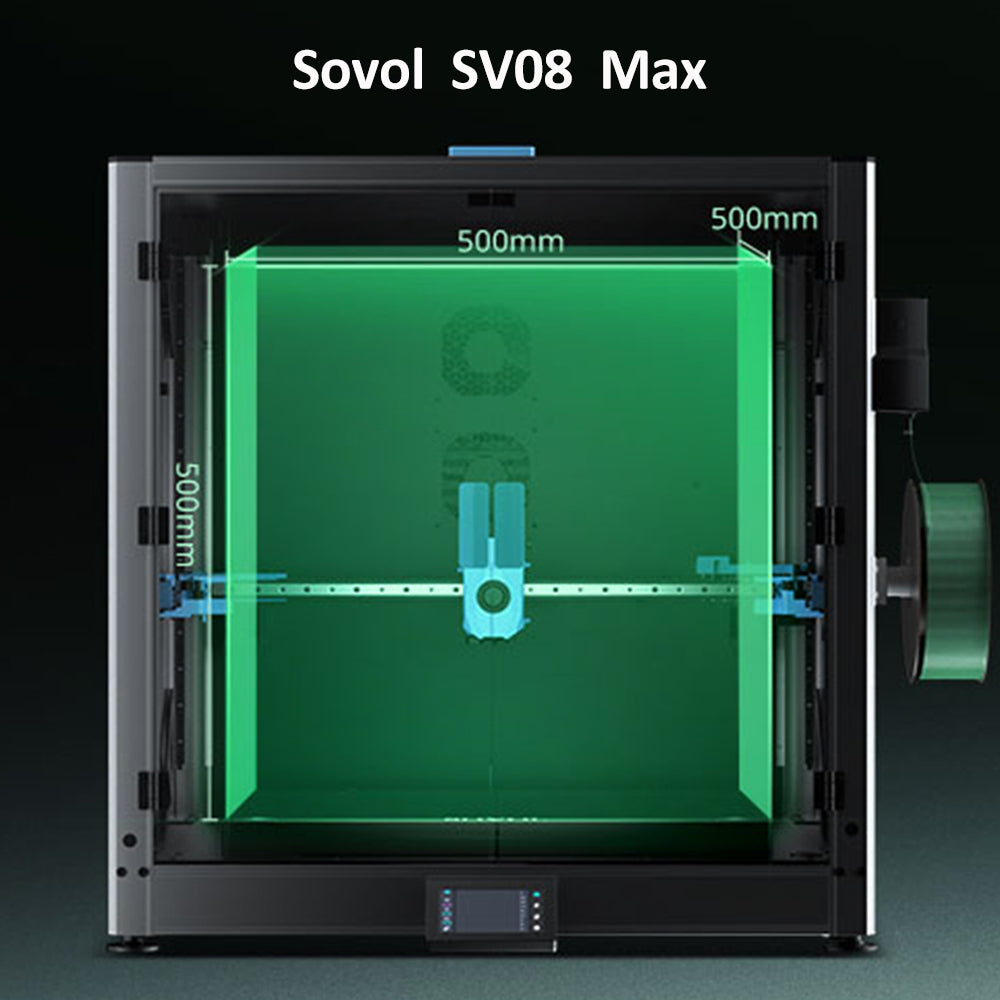
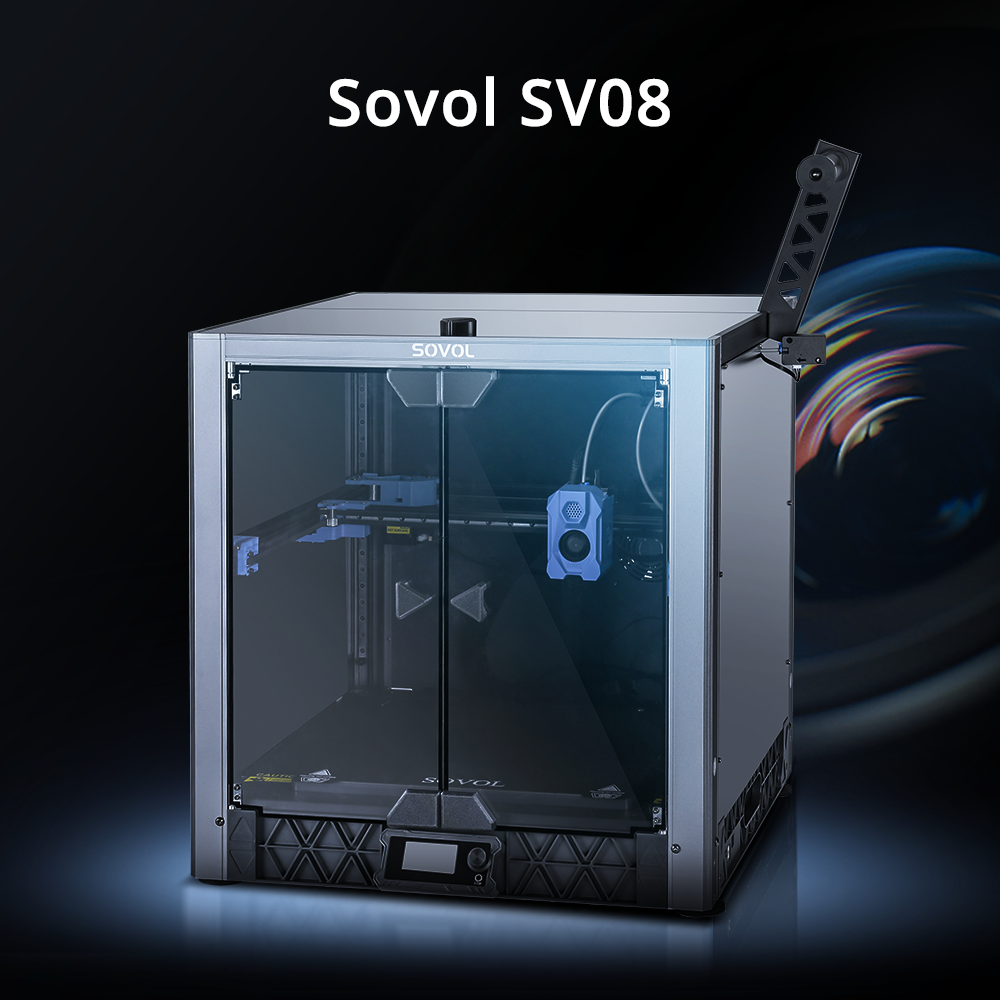
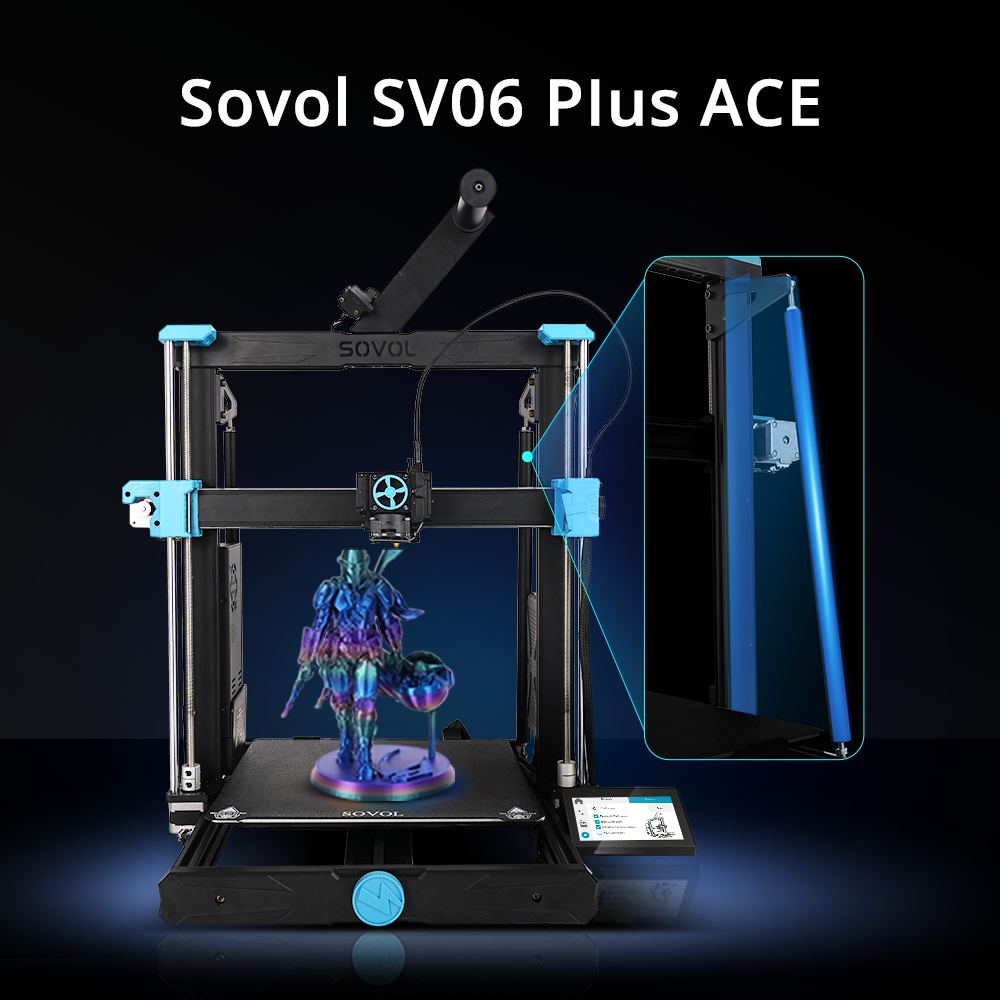
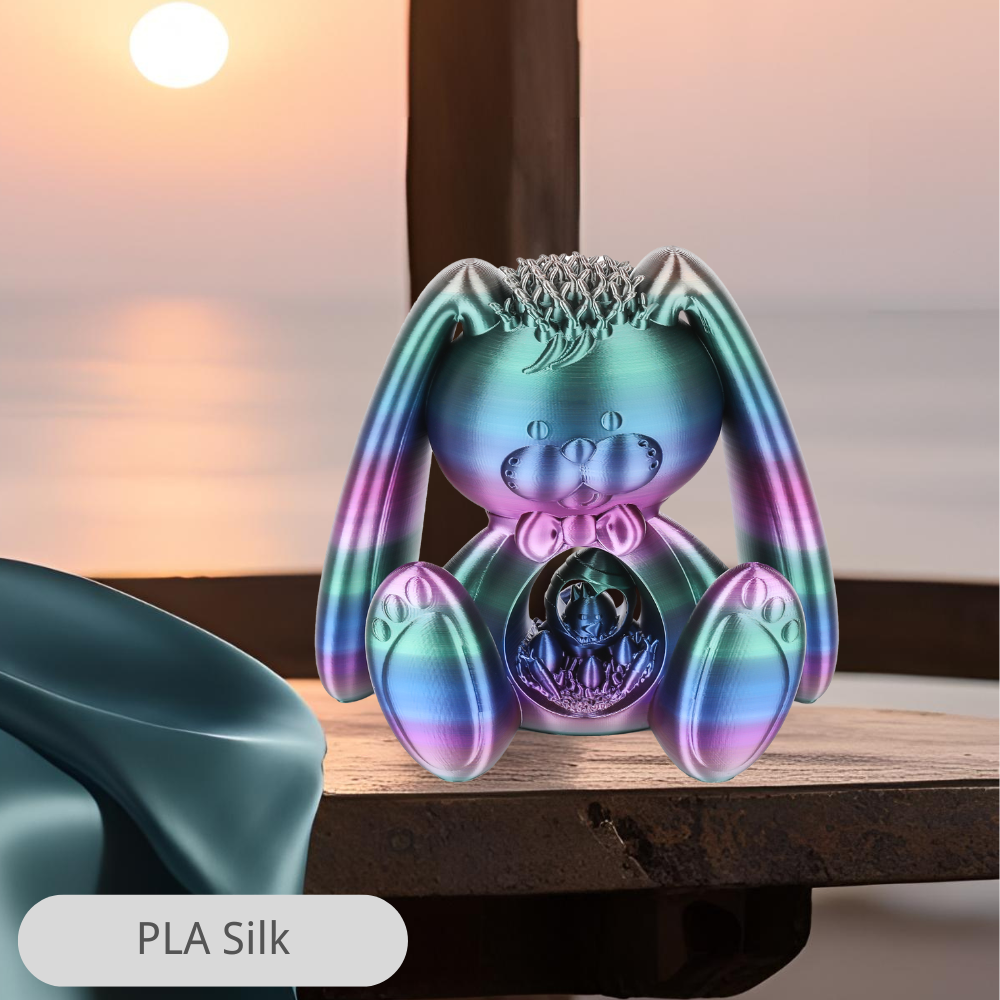
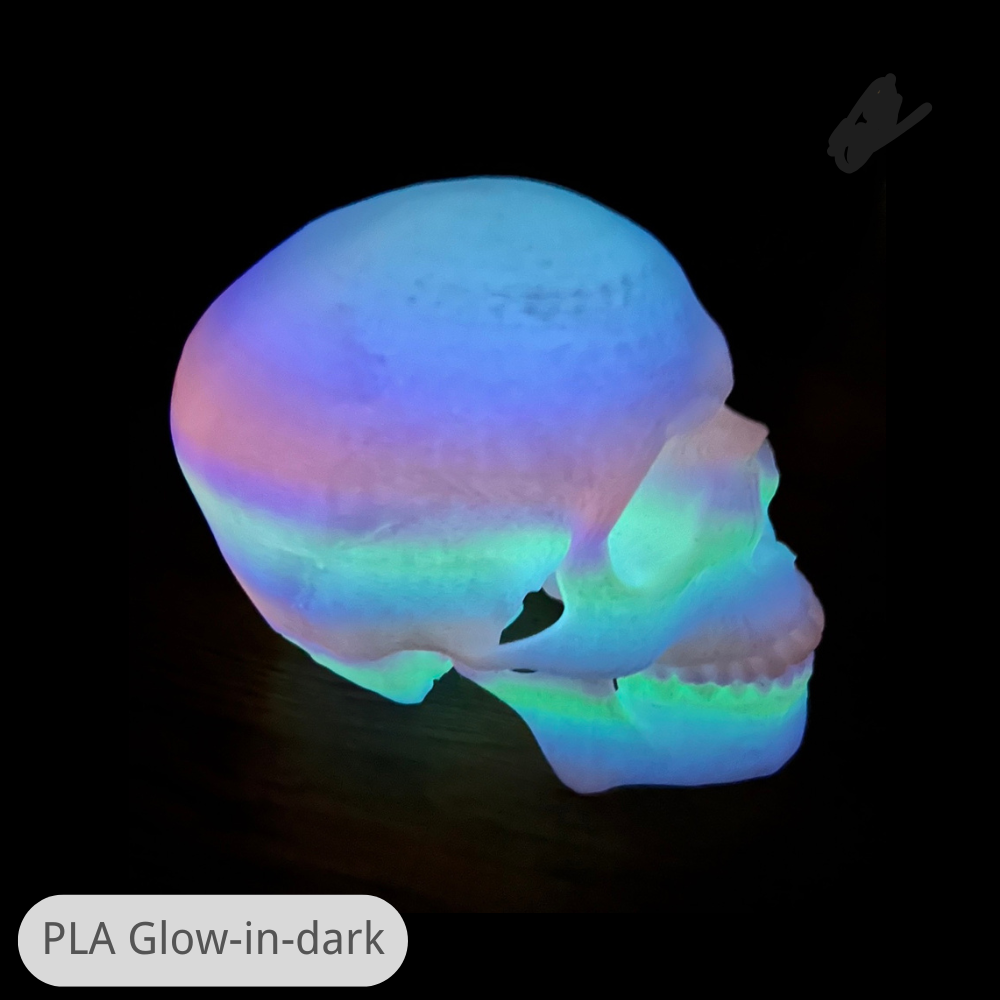
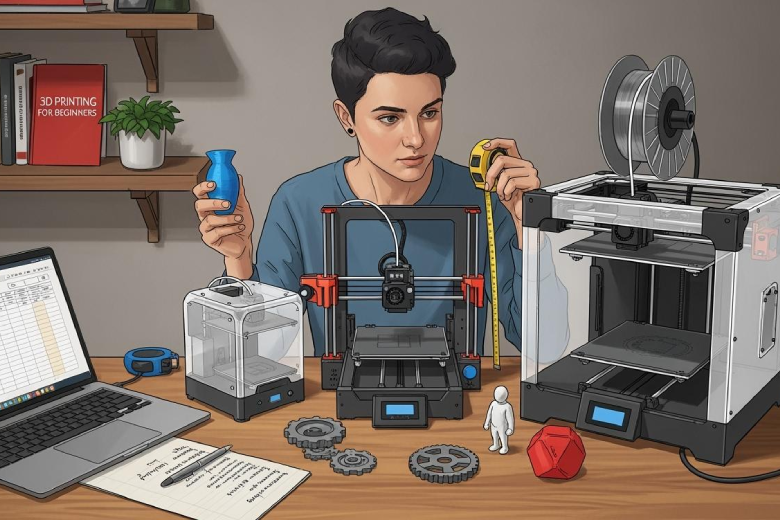
Many beginners ask what 3d printer size works best for their first projects. Most experts recommend a build volume around 220x220x220 mm, or about 6x6x6 to 8x8x8 inches. This 3d printer size handles common tasks such as figurines, tools, and small gadgets. A small to medium 3d printer fits well in most homes and supports a wide range of 3d print size needs. New users can feel confident starting with this practical option.
Key Takeaways
- Start with a 3D printer that has a build volume of around 220x220x220 mm. This size is ideal for common beginner projects like figurines and tools.
- Make a list of the objects you want to print. Measure their largest dimensions to ensure the printer can accommodate them.
- Consider both current and future project needs when selecting a printer size. A medium-sized printer offers flexibility for growth.
- Choose a printer that fits your workspace. Ensure you have enough room for the printer and easy access for maintenance.
- Select a printer that supports popular materials like PLA and ABS. These are beginner-friendly and widely used for various projects.
Assessing Your 3D Print Size Needs
Typical Beginner Projects
Many people start their 3D printing journey with simple objects. They often choose to print small figurines, phone stands, keychains, or basic tools. These projects help users learn how a 3d printer works without using too much material or time. Most of these items fit easily within a 3d print size of 6x6x6 inches. This size allows for a wide range of creative ideas while keeping the process manageable. Some users may want to try printing replacement parts for household items or small organizers. These projects rarely require a larger 3d printer size.
Tip: Beginners should make a list of the objects they want to print. Measuring the largest dimension of each item helps determine the right 3d printer size.
Estimating 3D Print Size for Your Projects
Choosing the correct 3d printer size starts with understanding the build volume. The build volume sets the maximum dimensions for any single print. For most beginner projects, a build volume of 220x220x220 mm or 6x6x6 inches is enough. This size covers most small gadgets, toys, and household items. Larger projects, such as cosplay props or bigger models, need a printer with a bigger build volume.
- The build volume is crucial for determining the maximum size of objects you can print.
- Small projects like figurines fit well in a 6x6x6 inch space.
- Larger projects require a bigger build volume for flexibility.
- A versatile 3d printer can handle future projects that may need more space.
- Typical beginner printers offer a build volume between 6x6x6 and 8x8x8 inches, balancing flexibility and budget.
Many cheap 3d printers for beginners fall within this range. They provide enough space for most tasks without taking up too much room at home. By matching the 3d print size to project needs, users avoid buying a printer that is too large or too small.
Understanding 3D Printer Size and Build Volume
What Is 3D Printer Size?
A 3d printer size describes the physical dimensions of the machine itself. This measurement includes the width, height, and depth of the printer. The actual space a 3d printer occupies matters when setting up a workspace at home or in a classroom. Many home models measure between 200 mm and 250 mm on each side. The build volume, however, refers to the maximum area inside the printer where objects can be created. While the outer size affects where the printer fits, the build volume determines the largest possible 3d print size for a single project.
Note: A compact 3d printer size often means easier placement on a desk or shelf, but users should always check the build volume before buying.
Common Build Volumes for Beginners
Most beginners choose printers with a build volume around 220x220x220 mm. This size supports a wide range of projects, from small figurines to basic household tools. Printers with a build volume between 6x6x6 and 8x8x8 inches allow users to experiment with different designs without needing a large workspace. The following table shows typical build volumes for entry-level 3d printers:
|
Printer Model |
Build Volume (mm) |
Build Volume (inches) |
|---|---|---|
|
Entry-Level A |
200x200x200 |
7.9x7.9x7.9 |
|
Entry-Level B |
220x220x220 |
8.7x8.7x8.7 |
|
Entry-Level C |
250x250x250 |
9.8x9.8x9.8 |
These sizes fit most beginner needs and help users avoid buying a printer that is too large for their space.
How Build Volume Affects Your Prints
The build volume sets the limit for the size of objects a 3d printer can produce. A smaller build volume works well for compact designs, such as figurines or phone stands. Users who want to print larger items, like cosplay props or furniture parts, need a bigger build volume. A larger build volume also allows batch printing, which means users can print several small items at once. This feature saves time and increases efficiency. Printers with limited build volume may require users to split large designs into smaller parts and assemble them after printing.
- The build volume defines the maximum size of each print.
- Larger build volumes support big projects and batch production.
- Smaller build volumes restrict the 3d print size, often requiring assembly for larger objects.
Choosing the right build volume helps beginners match their 3d printer to current and future project needs.
Choosing the Best 3D Printer Size for Beginners
Balancing Affordability and Versatility
Selecting the best 3d printer size involves weighing cost against flexibility. Many beginners look for cheap 3d printers for beginners that offer reliable performance without a high price tag. Entry-level 3d printer models often provide a build volume suitable for most starter projects. The following table compares popular options for those seeking a good 3d printer for beginners:
|
Model |
Price Range (USD) |
Key Features |
Best For |
|---|---|---|---|
|
Bambu Lab A1 Mini |
$299 - $349 |
Fast printing, auto-leveling, Wi-Fi, camera |
Beginners seeking smart features |
|
Creality Ender 3 V3 SE |
$199 - $249 |
Easy assembly, silent printing, sturdy frame |
Best on a budget, simple projects |
|
Anycubic Kobra 3 Combo |
$399 - $499 |
Multi-filament, auto-leveling, large touchscreen |
Multi-color 3D printing |
|
Elegoo Centauri Carbon |
$349 - $399 |
High speed, carbon filter, large build volume |
Fast prints, bigger models |

A small 3d printer usually costs less and fits well in tight spaces. Medium sized printer models offer more versatility for a slightly higher price. Large 3d printer options provide greater build volume but may exceed the needs of most beginners. Choosing the right 3d printer means finding a balance between price and the ability to handle a variety of projects.
Planning for Future Projects
When choosing the best 3d printer size, users should consider both current and future needs. Many start with small desktop models for simple tasks such as figurines or phone stands. As skills grow, users may want to print larger items or batch multiple parts. A medium sized printer supports this growth by offering a build volume that accommodates more ambitious projects.
The versatility of a 3d printer changes with build volume. Small printers excel at producing intricate designs and detailed prototypes. Larger printers allow users to print bigger models or several items at once. The table below highlights how build volume affects project possibilities:
|
Build Volume Size |
Advantages |
Use Cases |
|---|---|---|
|
Small (6x6x6 in) |
Ideal for compact designs and fine details |
Figurines, small prototypes |
|
Large (10x10x10 in) |
Greater flexibility for bigger models |
Architectural models, prototypes |
- Smaller printers enhance the quality of intricate designs due to higher pixel-density screens.
- Larger printers allow for batch production by printing multiple items simultaneously.
A good 3d printer for beginners should offer enough build volume for current projects and leave room for future creativity. Choosing the right 3d printer size helps users avoid the need to upgrade too soon.
Avoiding Overbuying or Underbuying
Many first-time buyers struggle with overbuying or underbuying a 3d printer. Purchasing a large 3d printer with excessive build volume may lead to wasted space and higher costs. On the other hand, a printer that is too small can limit project possibilities and require frequent upgrades.
The following table outlines the risks associated with different build volumes:
|
Printer Type |
Build Volume Example |
Implications on Projects |
|---|---|---|
|
Large-Scale Printers |
>10m x 10m x 3m |
Enables printing of full walls or rooms in one go, reducing assembly time and improving structural continuity. |
|
Modular or Mobile Printers |
4m x 4m x 3m |
Limited build volume requires printing in sections, increasing labor and potential weak points at joints. |
|
Scalability Considerations |
N/A |
Some systems allow for modular expansion or coordination of multiple printers for larger structures. |
Choosing the right 3d printer involves understanding project requirements and future goals. Cheap 3d printers for beginners with a build volume around 220x220x220 mm suit most needs. Entry-level models offer a practical solution for those starting out. By focusing on the best 3d printer size for both current and future projects, users avoid unnecessary expenses and maximize creative potential.
Key Features of a Good 3D Printer for Beginners
Build Volume vs. Printer Footprint
A good 3d printer for beginners should balance build volume and printer footprint. He or she often works in limited spaces, so the physical size of the machine matters. Most experts recommend a build volume between 6x6x6 inches and 8x8x8 inches. This range allows users to experiment with different designs without facing overwhelming complexity. Smaller printers are budget-friendly and easier to manage in tight areas.
- A compact footprint fits well on desks or shelves.
- Medium build volumes support a variety of projects.
- Cheap 3d printers for beginners usually offer manageable sizes for home use.
Material Compatibility
Material compatibility plays a key role in selecting a good 3d printer for beginners. Most entry-level 3d printer models support popular filaments such as PLA, ABS, and PETG. Printer size can affect which materials work best, especially for advanced filaments that require higher temperatures. The table below compares common materials:
|
Filament |
Ease of use |
Strength |
Flexibility |
Heat resistance |
Surface finish |
Key applications |
|---|---|---|---|---|---|---|
|
PLA |
★★★★★ |
★★☆☆☆ |
★☆☆☆☆ |
★★☆☆☆ |
★★★★☆ |
Visual prototypes, concept models, education |
|
ABS |
★★★☆☆ |
★★★★☆ |
★★☆☆☆ |
★★★★☆ |
★★☆☆☆ |
Functional enclosures, brackets, automotive parts |
|
PETG |
★★★★☆ |
★★★★☆ |
★★☆☆☆ |
★★★☆☆ |
★★★☆☆ |
Mechanical parts, containers, tools |
|
TPU / TPE |
★★☆☆☆ |
★★★☆☆ |
★★★★★ |
★★★☆☆ |
★★★☆☆ |
Flexible components, phone cases, seals |
|
Nylon (PA) |
★★☆☆☆ |
★★★★★ |
★★★☆☆ |
★★★★☆ |
★★★☆☆ |
Gears, hinges, wear-resistant prototypes |
|
CF composites |
★★★☆☆ |
★★★★★ |
★★☆☆☆ |
★★★★☆ |
★★★☆☆ |
Drone frames, functional tooling, structural parts |
|
PC, PEEK, PEI |
★☆☆☆☆ |
★★★★★ |
★★☆☆☆ |
★★★★★ |
★★☆☆☆ |
Aerospace, high-temp engineering, healthcare |
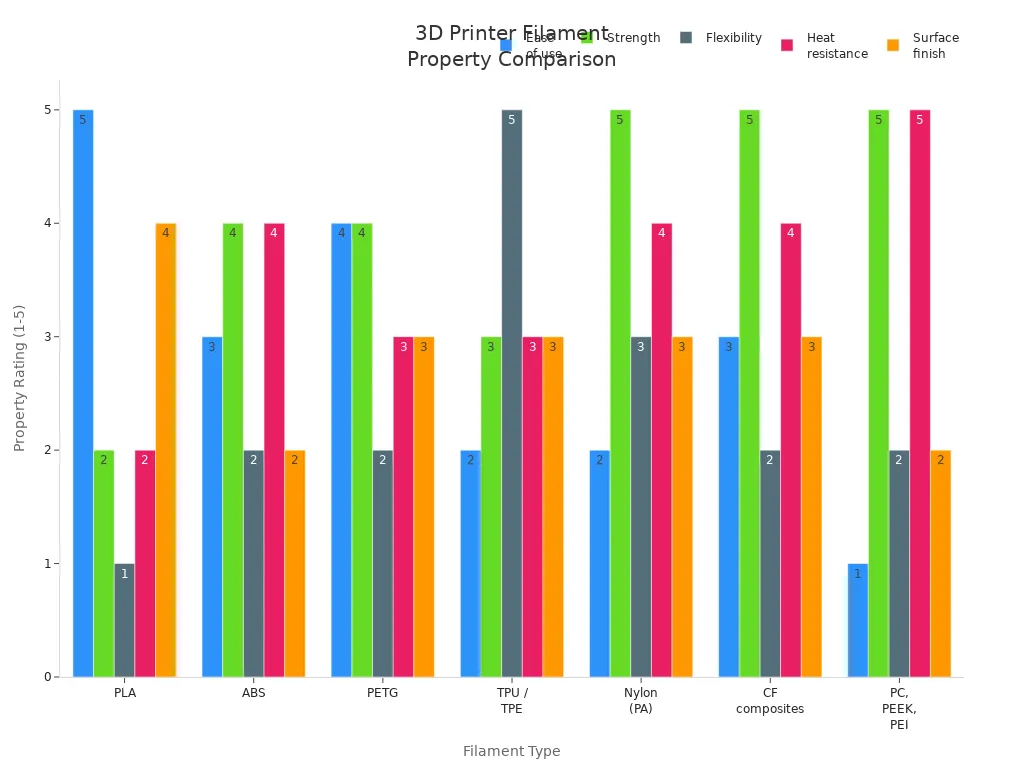
He or she should select a 3d printer that matches the materials needed for planned projects. Most beginners start with PLA due to its ease of setup and use.
Print Quality and Reliability
Print quality and reliability depend on build volume and printer design. A medium-sized build plate often meets the needs of most beginners. Large 3d printer models can introduce complications, such as longer heating times and increased filament usage. These factors may reduce reliability and make management more complex. He or she should look for a good 3d printer for beginners that delivers consistent results and minimizes failed prints. Entry-level 3d printer models usually focus on stability and ease of use, which helps new users achieve better outcomes.
Note: Reliable printers reduce frustration and encourage learning. Consistent print quality builds confidence and supports creative growth.
Practical Considerations Before Buying a 3D Printer
Budgeting for Your First 3D Printer
He or she should consider the total cost of owning a 3d printer before making a purchase. The initial price varies, with cheap 3d printers for beginners starting around $200. Entry-level 3d printer models often include basic features suitable for most projects. Ongoing expenses include filament or resin, replacement parts, and electricity. The following table compares typical costs for FDM and resin printers:
|
Cost Type |
FDM Printers |
Resin Printers |
|---|---|---|
|
Initial Purchase |
$200-$500 |
$300-$1000 |
|
Material Costs |
$20-$50 per kg |
$100-$200 per liter |
|
Maintenance Costs |
$20-$100 per part |
Regular upkeep required |
|
Post-Processing Costs |
Low |
$150-$500 for cleaning tools |
|
Electricity Consumption |
50-150 watts |
Slightly higher |
|
Consumables |
Minimal |
Minimal |
A good 3d printer for beginners should balance affordability and reliability. He or she can save money by choosing models with fewer advanced features.
Space Requirements at Home
He or she must plan for the physical space needed to operate a 3d printer safely. Most small to medium printers require an area about 6 feet wide and 2 feet deep. This space allows for easy access and proper ventilation. Users in shared workshops often prefer enclosed printers to control dust and maintain a clean environment.
- Allocate a dedicated area measuring at least 6 feet by 2 feet.
- Consider an enclosed printer for multi-use spaces.
- Ensure the workspace supports safe operation and easy maintenance.
A large 3d printer may need more room, so users should measure available space before buying.
Tip: He or she should check the dimensions of the printer and workspace to avoid crowding and ensure a comfortable setup.
Maintenance and Support
Regular maintenance keeps a 3d printer running smoothly. Beginners often face issues such as bed leveling, Z-offset setup, and cleaning. The table below outlines common maintenance tasks:
|
Maintenance Issue |
Description |
|---|---|
|
Bed Leveling |
Ensures proper print adhesion; uneven beds cause warping and poor quality. |
|
Z-offset Setup |
Incorrect setup leads to first layer problems and affects print dimensions. |
|
Regular Cleaning |
Prevents clogs and maintains print quality; extends printer lifespan. |
He or she should follow manufacturer guidelines for maintenance. Reliable support from the manufacturer or online communities helps resolve issues quickly. Entry-level 3d printer models often include simple maintenance instructions, making them easier for beginners to manage.
Small vs. Large 3D Printer Size: Pros and Cons
Benefits of Small 3D Printers
Small 3d printer models offer several advantages for beginners. He or she can start with a lower investment and learn the basics quickly. These printers fit easily on a desk or shelf, making them ideal for home use. Users often find small printers easier to operate and troubleshoot. The following points highlight the main benefits:
- Affordable: Both the printers and materials, such as PLA filament, are budget-friendly.
- Durable: Prints from small machines are strong and functional.
- Beginner-Friendly: Users learn faster and face fewer technical challenges.
- Variety of Materials: He or she can print with PLA, PETG, TPU, and other common filaments.
Small 3d printer models help users gain confidence and experience without overwhelming complexity.
Advantages of Larger 3D Printers
A large 3d printer provides greater versatility for users who want to expand their project range. He or she can print both small items and large structures with ease. As skills improve, a larger machine supports scalability and more ambitious designs. Some users even find income opportunities by producing a wider variety of products.
For instance, a 3d printer in Texas constructed a 500 sq.-ft. Welcome Center, demonstrating the capability to handle large-scale projects. Similarly, in Ukraine, the first 3D-printed school was built, showcasing the printer's utility in challenging environments.
Larger printers suit those who plan to print bigger models or batch multiple items at once.
Trade-Offs to Consider
Choosing between a small or large 3d printer involves several trade-offs. Cost, speed, and energy consumption all play a role. Small printers are generally more cost-effective for entry-level users. Hobbyist models typically range from $400 to $1,000, while larger machines cost more but offer professional capabilities. The table below compares power consumption:
|
Printer Type |
Power Consumption (W) |
Cost per Hour ($) |
|---|---|---|
|
Large Format FDM Printers |
200-500 |
0.03-0.08 |
|
Desktop FDM Printers |
50-200 |
N/A |
He or she should consider project size, available space, and budget before making a decision. Small printers suit most beginners, while a large 3d printer fits those with bigger ambitions.
Selecting the best 3d printer size involves several key steps:
- Start with a small to medium model for affordability and ease of use.
- Evaluate project types and build volume requirements.
- Align budget with goals and consider future needs.
- Choose a user-friendly printer that supports a range of materials.
A 3d printer matched to both current and future projects helps users grow their skills and creativity. Upgrading to a larger model later increases flexibility and supports more complex designs.
|
Benefit |
Description |
|---|---|
|
Flexibility |
Larger printers handle bigger models and batch printing. |
|
User-Friendly |
Small models make learning easier for beginners. |
FAQ
What is the ideal 3D printer size for a beginner?
Most experts recommend a build volume of 220x220x220 mm or 8x8x8 inches. This size supports common projects like figurines, phone stands, and small tools. Beginners find this range practical and easy to manage.
Can a small 3D printer handle most beginner projects?
A small 3D printer fits most starter projects. He or she can print keychains, toys, and basic household items. Larger objects may require splitting into parts. Small printers offer affordability and simplicity.
How much space does a 3D printer need at home?
A typical desktop 3D printer needs a space about 2 feet deep and 2 feet wide. He or she should allow extra room for ventilation and easy access. Measuring the workspace before buying helps avoid crowding.
What materials work best with entry-level 3D printers?
Most entry-level printers support PLA, PETG, and ABS filaments. PLA offers easy setup and good results for beginners. He or she can experiment with other materials after gaining experience.
Is it better to buy a larger printer for future projects?
A medium-sized printer balances current needs and future growth. He or she can upgrade later if larger projects become important. Starting with a practical size helps avoid unnecessary costs.
