
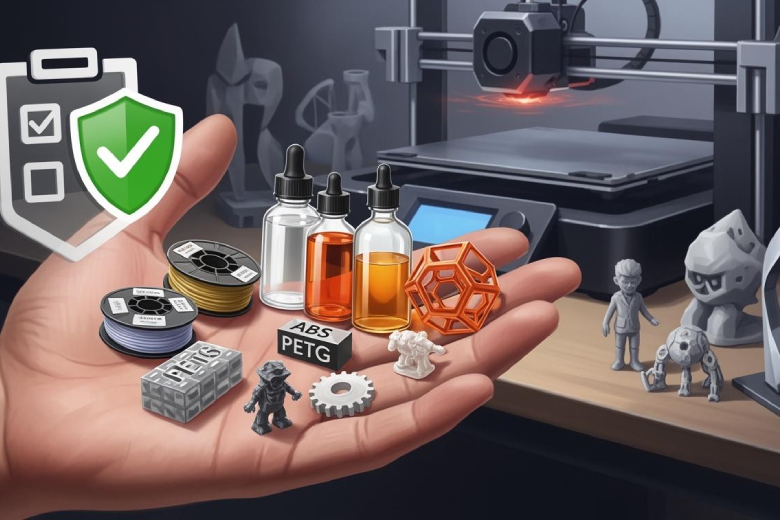
Choosing safe 3d printing materials protects your health and the environment. Many filaments release fumes or contain chemicals that can cause harm. Always check for clear safety data before buying a new material. Print quality and cost matter, but safety should lead your decision. Look for materials that balance performance with low risks.
Key Takeaways
- Choose low-toxicity materials like PLA and PETG for safer 3D printing.
- Always read Safety Data Sheets to understand the risks and handling precautions of materials.
- Ensure good ventilation in your workspace to reduce exposure to harmful fumes.
- Use personal protective equipment like gloves and masks when handling certain materials.
- Store and dispose of 3D printing materials responsibly to protect health and the environment.
What Makes Safe 3D Printing Materials
Toxicity and Chemical Risks
Safe 3d printing materials should have a low risk of toxicity. The chemical composition of a material plays a big role in its safety. Some filaments, like PLA and ABS, usually do not contain significant harmful substances. However, certain colors, such as black PLA, may include carcinogenic polycyclic aromatic hydrocarbons, while red PLA could have toxic azo dyes. Filaments from unknown sources might also contain undeclared additives that increase health risks.
- Electrical conductivity matters because it helps prevent static discharges.
- Stability under different conditions keeps the material safe during use.
- How a material reacts to heat or chemicals affects its durability and safety.
Emissions and Fumes
During printing, some materials release fumes and particles into the air. These emissions can include volatile organic compounds, fine dust, and nanoparticles. PLA is considered biocompatible and does not release toxic gases, but ABS can emit harmful substances like carbon monoxide and hydrogen cyanide. The table below compares emissions from common materials:
|
Material |
Particle Concentration Increase |
Toxic Emissions |
|---|---|---|
|
PLA |
Up to 3 times background level |
None |
|
ABS |
15 times background level |
CO, HCN |
Breathing in these fumes can cause respiratory problems, especially in poorly ventilated spaces. Nanoparticles from ABS and PLA can also increase the risk of lung diseases.
Handling and Post-Processing
Safe 3d printing materials are easier to handle and process without causing harm. Always work in a well-ventilated area. Wear gloves when touching filaments and use a dust mask during sanding or grinding. Avoid creating metal dust, which can be dangerous if inhaled.
Tip: Good handling practices protect both your health and the environment. Proper disposal and recycling also reduce the impact of 3d printing materials.
How to Identify Safe 3D Printing Materials
Reading Safety Data Sheets
A Safety Data Sheet (SDS) gives important information about a material. It helps you decide if a filament is safe for your project. When you read an SDS, look for these key points:
- Check the composition and properties of the material. This tells you what chemicals are inside.
- Identify any hazards. The SDS lists risks like flammability, toxicity, or skin irritation.
- Find out what precautions you should take. The sheet explains how to handle the material safely.
- Learn about proper disposal methods. This helps you protect the environment when you finish using the material.
Tip: Always ask for the SDS before buying new 3d printing materials. This habit can help you avoid dangerous surprises.
Certifications and Labels
Certifications show that a material meets certain safety standards. These labels make it easier to compare options and choose the right material for your needs. The table below explains some common certifications for 3D printing materials:
|
Certification |
Description |
Safety Requirements |
|---|---|---|
|
EN-45545 |
European standard for fire safety in rail vehicles |
Classifies materials based on flammability and smoke development |
|
FMVSS 302 |
Automotive standard for flammability |
Requires materials to meet specific flammability criteria for vehicles |
|
FAR 25.853 |
Aviation standard for flammability |
Mandates strict flammability requirements for aircraft passenger safety |
Look for these certifications on packaging or in product descriptions. They help you find the best material for projects that need extra safety.
Trusted Brands and Transparency
Choosing safe 3d printing materials often starts with picking trusted brands. Well-known companies usually share clear safety data and follow strict quality controls. They publish SDS documents and list certifications on their websites. This transparency helps you make smart choices.
When you search for the ultimate 3d printing materials guide, you will see that reliable brands stand out. They answer questions and provide support. If a supplier hides information or does not respond to safety questions, consider another source.
Note: The right material comes from a brand that values your safety as much as you do.
Comparing 3D Printing Materials for Safety
PLA, PETG, ABS, Nylon, Resin
Many people use common 3d printing materials like PLA, PETG, ABS, Nylon, and resin. Each material has a unique safety profile. PLA and PETG are considered safe 3d printing materials for most users. PLA is made from renewable resources and is non-toxic. It produces a slight sweet smell during printing and does not release harmful gases. PETG is also non-toxic and odorless. Both PLA and PETG are low-emission materials and less likely to warp.
ABS and Nylon require more caution. ABS releases high levels of volatile organic compounds (VOCs) and toxic particles when heated. Nylon also produces high amounts of VOCs. These emissions can cause irritation of the eyes, nose, and throat. They may pose health risks, especially in poorly ventilated spaces.
Resin is used in SLA printers. It can cause skin irritation and allergic reactions. Uncured resin is toxic and must be handled with gloves. Proper ventilation is important when printing with resin.
|
Material |
Toxicity |
Emissions |
Odor |
Handling Precautions |
|---|---|---|---|---|
|
PLA |
Low |
Low |
Sweet |
Minimal |
|
PETG |
Low |
Low |
None |
Minimal |
|
ABS |
Moderate |
High |
Strong |
Gloves, Ventilation |
|
Nylon |
Moderate |
High |
Mild |
Gloves, Ventilation |
|
Resin |
High |
Moderate |
None |
Gloves, Mask |
Materials to Use with Caution
Some materials need extra care. ABS and Nylon release high amounts of VOCs and toxic particles. These fumes can build up in closed rooms. Children and sensitive users are at greater risk. Resin is another material to use with caution. It can cause skin irritation and allergic reactions. Always wear gloves and a mask when handling resin.
Heating materials in FDM printers releases fumes. These fumes can enter the lungs and bloodstream. Exposure may cause irritation and health problems. The emission rates can vary due to undisclosed additives in filaments. Always use proper ventilation and follow safety guidelines.
Note: Choose materials with clear safety data and handle them with care to protect your health.
Practical Safety Steps for 3D Printing
Ventilation and Workspace
A safe workspace is the foundation of healthy 3D printing. Good ventilation removes harmful fumes and particles from the air. Placing your printer near a window or using an exhaust hose helps direct emissions outside. Some users add air filters to their setup. The table below compares common ventilation options:
|
Ventilation System Type |
Description |
Cost Range |
|---|---|---|
|
Passive Filter (Basic) |
HEPA filter with activated carbon; filters particles, not gases. |
15–30 Euro |
|
Active Filter (Recommended) |
Fan, HEPA, and activated carbon; removes most fumes and dust. |
40–80 Euro |
|
Window Exhaust (Best) |
Hose leads emissions outside; most effective for indoor safety. |
30–60 Euro |
Keep the printer away from busy areas. Reducing time spent near the printer lowers exposure to emissions. Choose PLA over ABS when possible, as PLA produces fewer fumes.
Personal Protective Equipment
Personal protective equipment (PPE) shields you from direct contact with hazardous materials. The right gear depends on the printing process and material. The table below shows how each item protects you:
|
Equipment |
Protection Against |
|---|---|
|
Gloves |
Skin contact with resins and powders |
|
Respirators |
Inhalation of particles and vapors |
|
Safety Glasses |
Eye protection from splashes and dust |
- Wear gloves when handling resin or cleaning prints.
- Use a respirator with the correct filter for dust or organic vapors.
- Safety glasses prevent resin droplets or dust from reaching your eyes.
- Workers handling powders for long periods need a respirator with its own air supply.
Storage and Disposal
Proper storage and disposal keep your workspace safe and protect the environment. Store filaments in sealed containers to prevent moisture damage and limit dust. Keep resins in their original bottles, tightly closed, and away from sunlight.
Disposing of 3D printing materials can be challenging. PLA, for example, only breaks down in industrial composting facilities, which are rare. Most composting plants cannot process bioplastics and may treat them as contaminants. Improper disposal of biodegradable plastics can increase microplastic pollution.
- Never throw uncured resin or failed prints in household trash.
- Take used materials to a hazardous waste collection point.
- Check local guidelines for recycling or safe disposal.
Tip: Responsible storage and disposal protect both people and nature.
Special Considerations for Sensitive Users
Children and Pets
Children and pets are more sensitive to chemicals and particles from 3D printing. Their bodies are still growing, which makes them more vulnerable to toxins. Small particles and fumes can affect their lungs and overall health. Some materials, like ABS and resin, release strong odors and harmful gases. These can cause headaches, nausea, or breathing problems.
- Keep 3D printers in rooms that children and pets cannot enter.
- Store all filaments and resins in sealed containers, out of reach.
- Clean up spills right away to prevent accidental contact.
- Choose low-emission materials, such as PLA, for home use.
Tip: Never leave a running printer unattended if children or pets are nearby. Supervision helps prevent accidents.
Allergies and Sensitivities
Some people have allergies or develop sensitivities to 3D printing materials. Resins and certain specialty plastics, like PEEK, can trigger allergic reactions. These reactions may include skin rashes, itching, or even breathing difficulties. In dental technology, PEEK and resins have caused allergic responses in some users. Not all ingredients in 3D printing materials are well known, which increases the risk of sensitization.
|
Material Type |
Possible Reaction |
Precaution |
|---|---|---|
|
Resin |
Skin irritation, allergy |
Wear gloves, use mask |
|
PEEK |
Allergic response |
Avoid direct contact |
|
Unknown blends |
Sensitization |
Check safety data sheets |
People with asthma, eczema, or other sensitivities should take extra care. Always use gloves and masks when handling unknown materials. Good ventilation reduces the risk of inhaling particles. If you notice any symptoms, stop using the material and seek medical advice.
Note: When in doubt, choose materials with clear safety data and avoid those with unknown additives.
Choosing safe 3D printing materials protects your health and improves your results.
- Pick low-toxicity options like PLA or PETG.
- Always check safety data sheets and certifications.
- Follow best practices for handling, ventilation, and disposal.
Safety is not just a rule—it is a habit. Make it part of every project to keep yourself and others safe while enjoying 3D printing.
FAQ
What is the safest 3D printing material for home use?
PLA is the safest choice for most homes. It comes from plants and does not release harmful fumes. PETG is also safe and odorless. Both materials work well in open spaces.
How can I reduce exposure to 3D printing fumes?
Use your printer in a well-ventilated room. Open windows or use an exhaust hose. Air filters help remove particles. Limit time spent near the printer during operation.
Do all 3D printing materials require gloves?
Not all materials need gloves. PLA and PETG are safe to touch. Resin and specialty filaments can cause skin irritation. Always check the safety data sheet for handling advice.
Can children safely use 3D printers?
Children can use 3D printers with supervision. Choose low-emission materials like PLA. Keep printers in rooms children cannot enter alone. Store filaments and resins out of reach.
Shop Sovol Filaments
Get the right filament for your next print
From reliable PLA for everyday prints to stronger PETG for functional parts — Sovol filaments are precision-manufactured for consistent results.

Sovol PLA Filament 2KG
Best for: prototypes, decorative prints, everyday use
1.75mm · 2×1kg spools · Easy to print · Low warping

Sovol Gradient PETG Filament
Best for: functional parts, higher impact resistance
1.75mm · 1kg · Higher strength than PLA · Heat resistant


Leave a comment
This site is protected by hCaptcha and the hCaptcha Privacy Policy and Terms of Service apply.